Свяжитесь с нами
Спасибо за обращение! Пожалуйста, telнам подробнее о ваших потребностях — наша команда экспертов свяжется с вами в течение 24 часов.
Свяжитесь с нами
Спасибо за обращение! Пожалуйста, telнам подробнее о ваших потребностях — наша команда экспертов свяжется с вами в течение 24 часов.
Введение
В данном анализе рассматриваются десять основных принципов снижения риска возникновения пожара в доме. Он выходит за рамки простого контрольного списка и предлагает более глубокое понимание механизмов возникновения распространенных источников возгорания, включая приготовление пищи, отопление и электросистемы. Обсуждаются когнитивные и поведенческие аспекты безопасности, такие как нормализация риска и важность отработки действий в чрезвычайных ситуациях. Анализируя причинно-следственные связи, ведущие к пожарам, и представляя структурированные, действенные меры противодействия, это руководство призвано дать домовладельцам знания, необходимые для создания устойчивой и безопасной среды проживания.
Кухня, которую часто называют сердцем дома, также представляет собой наиболее значительный источник пожарной опасности. По данным Управления пожарной безопасности США, приготовление пищи является основной причиной зарегистрированных пожаров в домах и травм, полученных в результате пожаров (Управление пожарной безопасности США, 2024). Сочетание высокой температуры, легковоспламеняющихся масел и постоянной возможности отвлечься создает уникально опасную среду. Освоение правил безопасности на кухне — это самый эффективный шаг, который вы можете предпринять в усилиях по предотвращению пожаров.
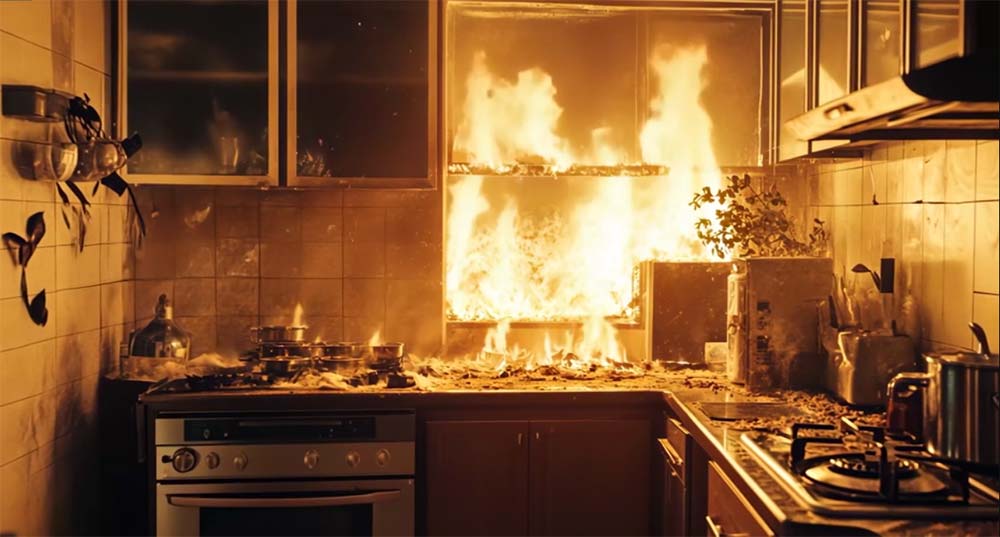
Представьте, что вы варите соус. Звонит телефон, или захватывающая сцена в telзаставляет вас выйти из комнаты. Всего за несколько мгновений медленное кипение может превратиться в бурлящее, выкипающее и гасящее газовое пламя, или кастрюля может опустеть, а содержимое перегреться до точки возгорания. Этот сценарий, в бесчисленных вариациях, является основной причиной кухонных пожаров. Главное правило безопасности на кухне — оставаться на кухне, когда вы жарите, запекаете или готовите на гриле. Если вы варите, запекаете или жарите, регулярно проверяйте продукты, оставайтесь дома и используйте таймер, чтобы помнить о том, что вы готовите. Восприятие этого не как неудобства, а как неотъемлемой части самого процесса приготовления пищи — это фундаментальное изменение мышления.
Жир представляет собой особенно коварную пожарную опасность. Небольшое количество жира, разбрызгивающегося со сковороды, со временем может накапливаться на плитах, вытяжных колпаках и близлежащих стенах, создавая легковоспламеняющийся материал. Регулярная очистка этих поверхностей — это не только вопрос гигиены, но и вопрос пожарной безопасности.
Если в сковороде загорится жир, инстинктивное желание залить её водой — распространённое и катастрофическое явление. Вода, будучи плотнее масла, опускается на дно сковороды, где мгновенно перегревается и превращается в пар. Это взрывное расширение выбрасывает в помещение огненный шар из горящего жира. Правильная реакция — накрыть сковороду крышкой, чтобы перекрыть доступ кислорода, а затем выключить нагрев. При возгорании духовки держите дверцу закрытой и выключите нагрев.
Продумайте расположение кухонной зоны. Полотенца, бумажные изделия, прихватки и занавески следует держать подальше от плиты. Представьте, что конфорки создают невидимый цилиндр интенсивного тепла, направленный вверх, и убедитесь, что никакие легковоспламеняющиеся предметы не могут попасть в эту зону.
Микроволновые печи и другие мелкие бытовые приборы также представляют опасность. Используйте только посуду, подходящую для использования в микроволновой печи. Металл или несертифицированный пластик могут вызвать искрение, то есть искру, которая может воспламенить пищу или внутренние компоненты прибора. Содержите такие приборы, как тостеры и кофеварки, в чистоте, без крошек и остатков пищи. Всегда отключайте их от сети, когда они не используются, не только для экономии энергии, но и для исключения риска возгорания из-за неисправности, пока вас нет дома или вы спите.
С понижением температуры мы обращаемся к отопительному оборудованию, чтобы поддерживать комфортную температуру в домах. Однако эти устройства являются второй по значимости причиной гибели людей при пожарах в жилых домах (Национальная ассоциация противопожарной защиты, 2023). Будь то центральная печь, дровяная печь или портативный обогреватель, любой источник отопления требует бережного отношения и надлежащего обслуживания.
Переносные электрические обогреватели являются распространенной причиной пожаров. Они могут потреблять значительное количество электрического тока, потенциально перегружая цепи, а их нагревательные элементы нагреваются настолько, что воспламеняют находящиеся рядом предметы. Самое важное правило — «правило трех футов»: держите все, что может загореться, например, мебель, занавески, постельное белье и людей, на расстоянии не менее трех футов от обогревателя со всех сторон.
Рассматривайте эту трехфутовую зону как незыблемый «круг безопасности». Никогда не ставьте обогреватель на мебель или в места с интенсивным движением, где его могут опрокинуть. Выбирайте современные модели с автоматическим выключателем при падении. Наконец, подключайте обогреватели непосредственно к розетке; никогда не используйте удлинитель или сетевой фильтр, которые могут перегреться из-за высокого потребления тока.
Основная система отопления вашего дома работает с большой нагрузкой в холодные месяцы и требует профессионального обслуживания. Проводите осмотр и техническое обслуживание вашей печи, котла и любого другого оборудования центрального отопления квалифицированным специалистом не реже одного раза в год, как правило, перед началом отопительного сезона. Это позволит выявить и устранить такие проблемы, как трещины в теплообменниках печей, которые могут приводить к утечке угарного газа, или неисправные элементы управления, которые могут стать причиной пожара.
Аналогично, если у вас есть камин или дровяная печь, дымоход необходимо ежегодно чистить и осматривать. Креозот, легковоспламеняющийся побочный продукт сгорания древесины, может накапливаться внутри дымохода и воспламеняться, вызывая опасный пожар в дымоходе.
Камин добавляет тепла и уюта, но это также открытое пламя внутри вашего дома. Всегда используйте прочный экран, чтобы предотвратить вылетание искр и возгорание ковра или мебели рядом. Сжигайте только сухие, выдержанные дрова. Свежие или влажные дрова производят больше дыма и креозота. Никогда не сжигайте бумагу, мусор или искусственные поленья в дровяной печи, так как они могут гореть непредсказуемо и опасно сильно. Перед сном или перед тем, как выйти из дома, убедитесь, что огоньtelпотушен.
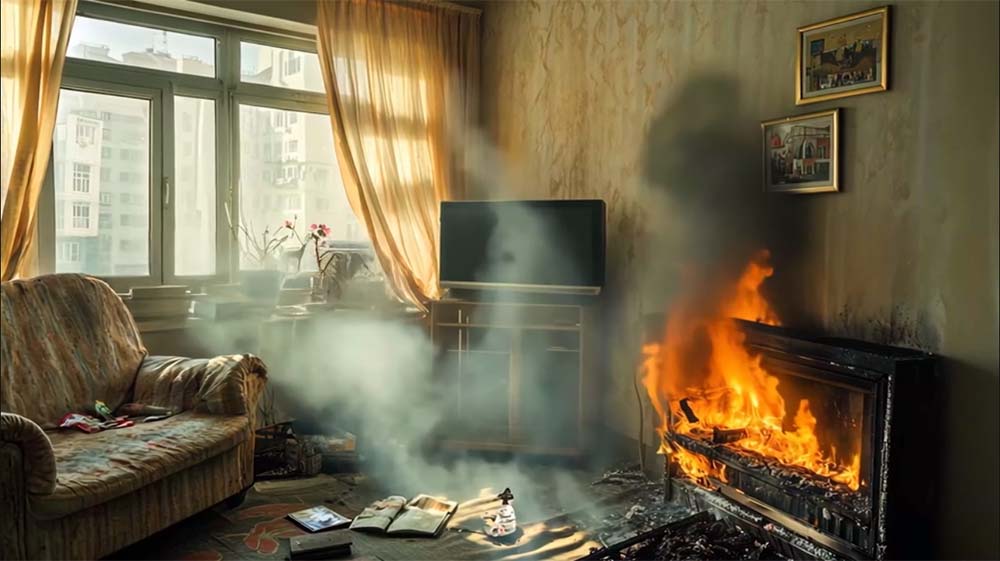
Наши дома питаются от сложной сети проводов, цепей и розеток. При исправной работе эта система безопасна и надежна. Но когда она старая, поврежденная или используется неправильно, она становится одной из основных причин пожаров в домах. Электрораспределительное или осветительное оборудование является третьей по распространенности причиной пожаров в домах (Администрация пожарной охраны США, 2024).
Представьте себе электрические цепи вашего дома как дороги. Каждая из них рассчитана на определенный объем трафика (электрический ток). Подключение слишком большого количества устройств к одной цепи, особенно потребляющих много тока приборов, таких как обогреватели, фены или микроволновые печи, подобно возникновению огромной пробки. Провода могут перегреться, расплавив защитную изоляцию и воспламенив окружающие материалы, такие как деревянные конструкции или утеплитель.
Признаками перегрузки электрической цепи являются частое срабатывание автоматических выключателей, мерцание или приглушение света при включении электроприбора, запах гари из розетки, а также изменение цвета или нагревание настенных панелей. При возникновении этих симптомов следует обратиться к квалифицированному электрику.
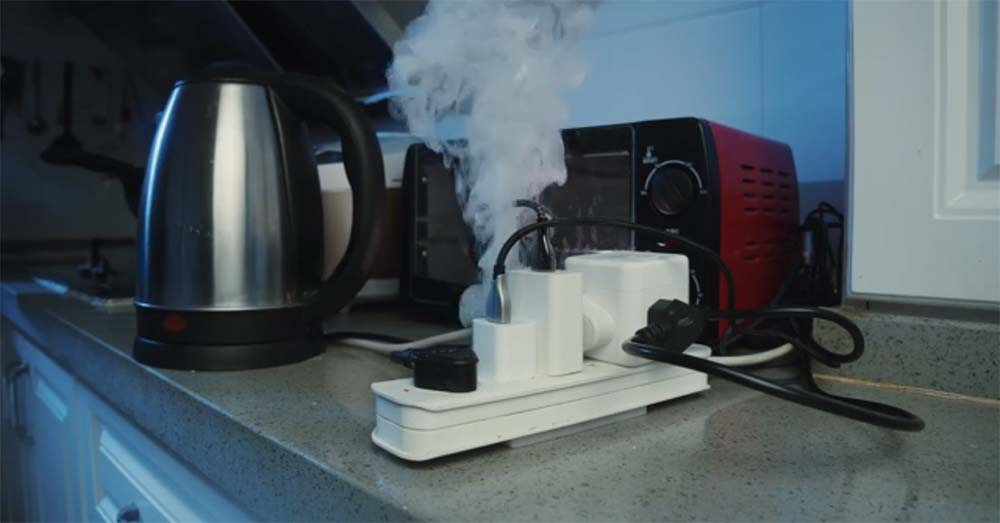
Удлинители предназначены только для временного использования. Они не заменяют стационарную проводку. Длительное использование может привести к их повреждению из-за ходьбы, мебели или перегибов, что создаёт опасность возгорания. Никогда не прокладывайте удлинители под коврами, где повреждения могут остаться незамеченными, а также может происходить перегрев.
При использовании удлинителя убедитесь, что он оснащен встроенным предохранителем или автоматическим выключателем с защитой от перегрузки. Не соединяйте удлинители последовательно, подключая один к другому. Это не увеличивает мощность, а лишь повышает риск перегрузки в розетке.
В старых домах проводка может представлять собой серьезную проблему. Системы, установленные десятилетия назад, не были рассчитаны на электрическую нагрузку современной жизни. Алюминиевая проводка, использовавшаяся в некоторых домах в 1960-х и 70-х годах, может представлять особую опасность, если ее не обслуживать должным образом. Устаревшая проводка типа «кнопочный и трубчатый», встречающаяся в очень старых домах, не имеет заземляющего провода и может иметь хрупкую изоляцию.
Признаками опасной проводки являются часто перегорающие предохранители, искры из розетки при подключении электроприбора или легкий удар током от электроприбора. Это не просто мелкие неполадки; это срочные предупреждения. Не пытайтесь самостоятельно диагностировать или устранять серьезные проблемы с электричеством, если вы не являетесь квалифицированным специалистом. Риск слишком высок.
Если пожар всё же начнётся, своевременное предупреждение — важнейший фактор выживания. Исправный дымовой извещатель может снизить риск гибели при пожаре в доме более чем вдвое (Национальная ассоциация противопожарной защиты, 2021). Это недорогое и простое устройство, оказывающее незаменимую услугу: это ваш электронный нос, работающий круглосуточно и без выходных, улавливающий запах дыма задолго до того, как это уловит спящий человек.
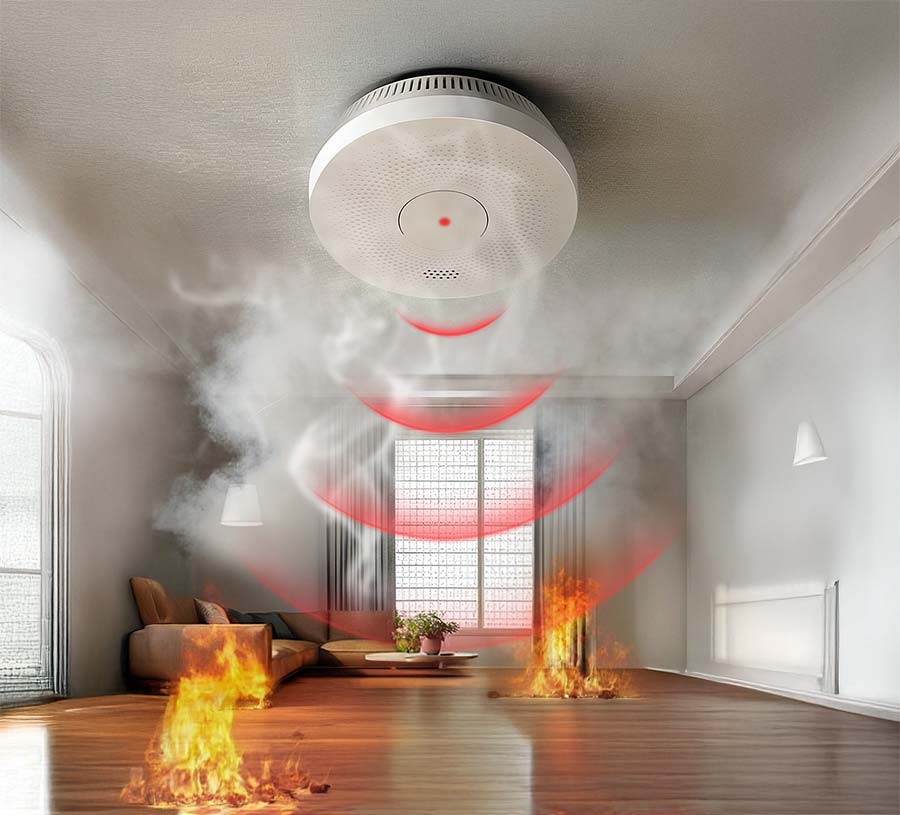
Пожар может стать опасным для жизни всего за две минуты. Токсичный дым и перегретые газы могут с поразительной скоростью заполнить дом. Детектор дыма дает драгоценные секунды, необходимые для реализации плана эвакуации. По этой причине недостаточно одного детектора. NFPA рекомендует устанавливать детекторы дыма внутри каждой спальни, снаружи каждой отдельной спальной зоны и на каждом этаже дома, включая подвал. Для больших домов рассмотрите возможность установки взаимосвязанных детекторов; когда срабатывает один, срабатывают все, обеспечивая одновременное оповещение всех жильцов.
Правильное техническое обслуживание так же важно, как и установка. Неисправная сигнализация — это всего лишь кусок пластика на потолке. В следующей таблице представлен простой и эффективный график технического обслуживания.
| Задача | Частота | Почему это важно |
|---|---|---|
| Проверьте работу сигнализации | Ежемесячно | Нажмите кнопку проверки, чтобы убедиться в работоспособности электронных компонентов и эхолота. |
| Замените батарейки | Ежегодно (или по мере необходимости) | Меняйте батарейки раз в год, даже если они не разряжены. Хорошая привычка — делать это при переводе часов на летнее время. |
| Бережная чистка | Каждые шесть месяцев | Пыль и паутина могут мешать работе датчика. Аккуратно пропылесосьте внешнюю поверхность сигнализации с помощью мягкой щетки. |
| Замените весь блок | Каждые 10 лет | Датчики внутри дымовых извещателей со временем изнашиваются и теряют свою чувствительность. Дата изготовления указана на задней панели извещателя. |
Существует два основных типа датчиков дыма: ионизационные и фотоэлектрические. Понимание различий между ними поможет обеспечить комплексную защиту.
| Тип датчика | Лучше всех умеет обнаруживать | Как это работает | Общее размещение |
|---|---|---|---|
| Ионизация | Быстро распространяющиеся пожары с мелкими частицами горючего (например, пожар бумаги). | Небольшое количество радиоактивного вещества ионизирует воздух в камере; частицы дыма нарушают этот поток, вызывая срабатывание сигнализации. | Коридоры, общие жилые помещения. |
| Фотоэлектрический | Медленно тлеющие очаги возгорания с крупными частицами горючего (например, сигарета на диване). | Луч света направлен в сторону от датчика. Частицы дыма рассеивают свет, заставляя его попадать на датчик и вызывать срабатывание сигнализации. | Рядом с кухнями и в спальнях или вблизи них. |
Поскольку невозможно предсказать, какой именно пожар может возникнуть, организации, занимающиеся вопросами безопасности, рекомендуют использовать либо двухсенсорные сигнализации, сочетающие в себе обе технологии, либо комбинацию обоих типов сигнализации по всему дому (Администрация пожарной охраны США, 2024).
Пожары, вызванные сигаретами, сигарами или другими куриными принадлежностями, являются одной из основных причин гибели людей при пожарах в домах. Хотя общее число таких пожаров за последние годы уменьшилось, ониtel-прежнему непропорционально смертоносны, поскольку часто начинаются с тления обивки или постельного белья, выделяя токсичные газы задолго до появления открытого пламени.
Сигарета может тлеть часами в подушке дивана или матрасе, прежде чем вспыхнуть пламенем, часто уже после того, как жильцы дома уснули. Именно поэтому курение в постели или в состоянии сонливости чрезвычайно опасно. Сочетание нарушенного сознания и легковоспламеняющегося постельного белья смертельно опасно. Если вы курите, возьмите за правило никогда не курить в постели.
Самый безопасный способ — курить на улице. Если вам необходимо курить в помещении, выберите специально отведенное место и используйте большие, глубокие пепельницы, которые не опрокидываются. Перед тем как выбросить пепел и окурки, убедитесь, что ониtelостыли. Перед тем как выбросить их в мусор, рекомендуется полить их водой. Никогда не выбрасывайте окурки в растения, горшечные растения или любые другие места, где они могут воспламенить сухой газ. Перед тем как выйти из комнаты или лечь спать, проверьте за подушками дивана и кресла на наличие упавших углей или окурков.
Свечи создают приятную атмосферу, но они также являются открытым пламенем. По данным NFPA, в США свечи в среднем становятся причиной 21 пожара в доме в день (Национальная ассоциация противопожарной защиты, 2023). Чаще всего эти пожары возникают из-за того, что свечи размещаются слишком близко к легковоспламеняющимся материалам.
Как и в случае с обогревателями, вокруг свечей следует соблюдать «безопасное расстояние». Минимальное расстояние в 30 см – хороший показатель, но чем больше, тем лучше. Держите их подальше от занавесок, украшений, книг и всего остального, что может загореться. Всегда ставьте их на прочную, термостойкую поверхность, где их не смогут опрокинуть дети или домашние животные.
Никогда не оставляйте горящую свечу в комнате без присмотра. Погасите все свечи, прежде чем выйти из дома или лечь спать. Момент приятной атмосферы никогда не стоит риска возгорания, если вы оставите свечу без присмотра. Когда вы гасите свечу, убедитесь, что фитиль больше не тлеет.
Для тех, кому нравится внешний вид свечей, но кто опасается рисков, современные беспламенные свечи на батарейках станут отличной альтернативой. Многие из них используют светодиоды, чтобы реалистично имитировать мерцание настоящего пламени, но без каких-либо связанных с этим опасностей, таких как перегрев или возгорание. Их можно разместить где угодно, использовать в присутствии детей и домашних животных и оставлять включенными без опасений, обеспечивая душевное спокойствие.
Многие распространенные бытовые товары, от чистящих растворителей и красок до бензина и пропана, являются легковоспламеняющимися. Неправильное хранение и использование этих материалов может привести к быстрому и интенсивному возгоранию. Понимание природы этих веществ является ключом к безопасному обращению с ними.
Легковоспламеняющиеся жидкости выделяют пары, которые могут воспламениться от запальной горелки, искры от двигателя или даже статического электричества. Внимательно читайте этикетки на всех химических продуктах и строго следуйте инструкциям по хранению. Как правило, легковоспламеняющиеся жидкости, такие как бензин, керосин и пропан, следует хранить в оригинальных емкостях или в одобренных безопасных канистрах, и всегда держать их в хорошо проветриваемом месте вне жилого помещения вашего дома, например, в отдельно стоящем сарае или гараже.
Никогда не храните бензин внутри дома. Его пары тяжелее воздуха и могут распространяться по полу, достигая источника возгорания. Баллоны с пропаном для гриля также следует хранить на открытом воздухе, никогда не в гараже или подвале.
Менее очевидная, но чрезвычайно опасная опасность — самовозгорание промасленных тряпок. Тряпки, пропитанные некоторыми маслами, особенно льняным, тунговым и другими масляными красителями и отделочными материалами, могут выделять собственное тепло по мере высыхания. Если их скомкать в кучу, это тепло может накапливаться до тех пор, пока тряпки не воспламенятся без внешнего искрового разряда. Это не миф; это хорошо задокументированная химическая реакция.
Чтобы безопасно утилизировать промасленные тряпки, не складывайте их в кучу. Разложите их на негорючей поверхности, чтобы они полностьюtel, или поместите в герметичный металлический контейнер, наполненный водой, и обратитесь в местный пункт утилизации отходов за инструкциями по правильной утилизации.
Даже при самых тщательных мерах профилактики пожар всё ещё возможен. В этом случае хорошо отработанный план эвакуации станет самым ценным активом вашей семьи. В дыму и панике настоящего пожара у вас не будет времени на размышления. Вам придётся полагаться на отработанный план действий.
Пройдитесь по дому со всеми членами семьи и определите два выхода из каждой комнаты. Один из них — дверь, а второй — окно. Убедитесь, что эти окна не заблокированы и их можно легко открыть. Для окон второго этажа подумайте о приобретении и хранении эвакуационных лестниц в спальнях или рядом с ними. Речь идёт не о том, чтобы запугать, а о том, чтобы укрепить уверенность и уверенность в себе. Это практический навык, как умение плавать.
План эвакуации на бумаге недостаточен. Его необходимо отработать на практике. NFPA рекомендует проводить учения по эвакуации из дома как минимум два раза в год. Нажмите кнопку проверки на дымовом извещателе, чтобы начать тренировку. Отработайте приседание к земле и ползание под дымом, где воздух чище. Подчеркните, что, оказавшись снаружи, вы должны оставаться снаружи. Ни при каких обстоятельствах не возвращайтесь в горящее здание.
В рамках вашего плана определите конкретное место встречи на улице, на безопасном расстоянии от дома. Это может быть дом соседа, определенное дерево или конец подъездной дорожки. Это место имеет решающее значение, поскольку оно позволяет немедленно убедиться, что все благополучно эвакуировались, предотвращая трагедию, когда кто-то возвращается в зону пожара, чтобы искать человека, который уже в безопасности.
Пожарная опасность распространяется за пределы вашего дома. Проведение мероприятий во дворе и праздничные торжества создают уникальные риски, требующие особого внимания.
Гриль для барбекю доставляет удовольствие, но он также является причиной тысяч пожаров каждый год. Размещайте гриль подальше от сайдинга дома, перил террасы, нависающих карнизов или ветвей деревьев. Поддерживайте его в чистоте, удаляя скопившийся жир и сало, которые могут воспламениться. Что касается газовых грилей, перед первым использованием в сезоне проверьте газопровод на наличие утечек, нанеся на него слабый мыльный раствор; если вы увидите пузырьки, значит, есть утечка.
Использование костровых ям следует осуществлять с аналогичной осторожностью. Размещайте их на негорючей поверхности, на расстоянии не менее 3-7,5 метров от любых построек или горючих материалов. Никогда не используйте легковоспламеняющиеся жидкости для разведения огня и держите под рукой огнетушитель, садовый шланг или ведро с песком.
Праздничный сезон сопряжен со своими собственными рисками возникновения пожаров. При выборе живой рождественской елки ищите свежую, с зелеными иголками, которые не опадают. Регулярно поливайте основание елки водой, чтобы она не пересыхала и не превращалась в пороховую бочку. Размещайте елку подальше от источников тепла, таких как камины или обогреватели.
Проверьте все гирлянды на наличие потертых проводов, треснувших патронов или ослабленных соединений. Не перегружайте электрические розетки. Используйте гирлянды, прошедшие проверку безопасности в аккредитованной лаборатории, и используйте только уличные гирлянды для украшения улицы. Выключайте все гирлянды перед сном или перед тем, как уйти из дома.
Последний принцип в нашем исследовании способов предотвращения пожаров в доме связан с самими материалами, из которых изготовлена наша мебель. Если профилактика направлена на предотвращение возникновения пожара, то смягчение последствий направлено на замедление его распространения, если он все же произошел. Выбор тканей для штор, обивки мебели и постельного белья может существенно повлиять на то, как быстро небольшое пламя превратится в пожар, охвативший всю комнату.
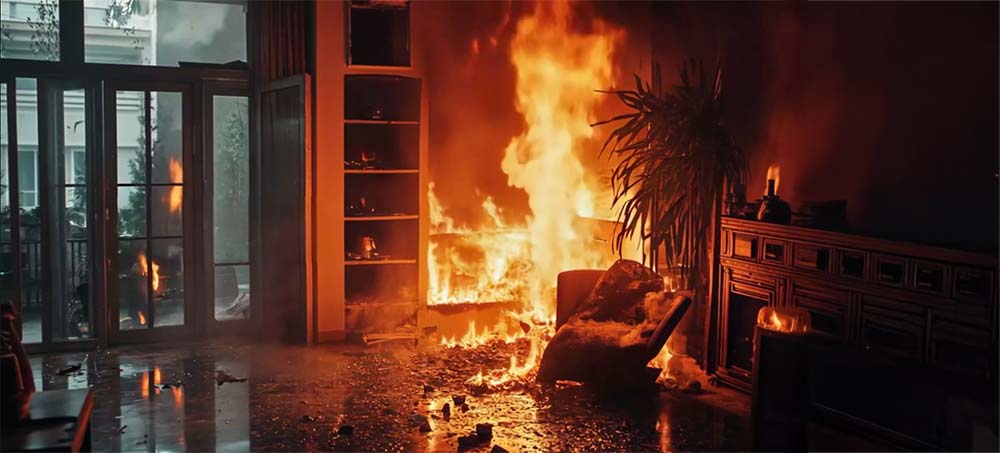
Многие распространенные текстильные материалы, такие как необработанный хлопок и лен, могут быстро воспламениться и загореться. Синтетические ткани, такие как полиэстер и нейлон, часто воспламеняются медленно, но могут плавиться и капать, вызывая сильные ожоги и распространение огня. Расположение этих материалов имеет огромное значение. Пожар, начавшийся на диване, может быстро распространиться на близлежащие шторы, а затем на ковер, в процессе, называемом «вспышкой», когда почти одновременно вспыхивает пламя во всей комнате.
Здесь научная основа текстильного производства обеспечивает мощный уровень безопасности. В отличие от тканей, обработанных химическими веществами, которые со временем могут вымываться или стираться, огнестойкие ткани ( ВО ) изготавливаются из волокон, в химическую структуру которых заложена огнестойкость. Такие материалы, как полиэстер ВО разработаны таким образом, чтобы противостоять воспламенению и, если они все же загорятся, самозатухать после удаления источника тепла.
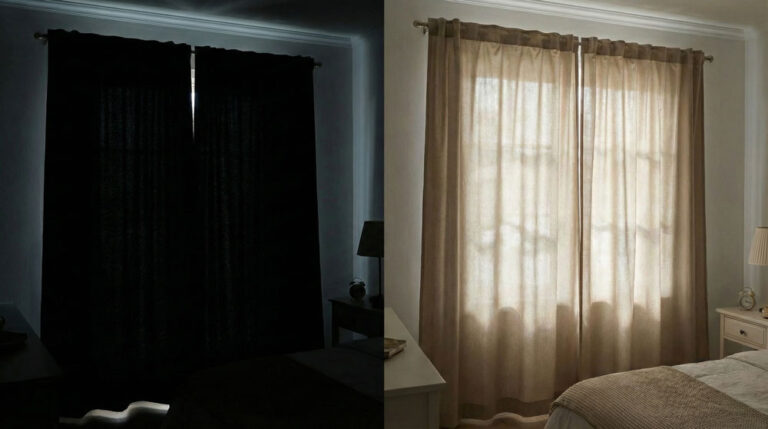
Выбор тканей ВО для таких предметов, как шторы для рабочих мест в домашнем офисе, плотные или светонепроницаемые шторы в спальне или обивка мебели, обеспечивает пассивный, непрерывный слой защиты. Это разовое решение, которое обеспечивает постоянное спокойствие. Например, использование постельного белья и пижам ВО , особенно для детей, может обеспечить критически важные дополнительные секунды для эвакуации в случае ночного пожара. Эти материалы проходят испытания в соответствии со строгими стандартами, такими как NFPA 701 для штор, что гарантирует их надежную работу в самый нужный момент.
Эффективная пожарная безопасность дома не сводится к использованию одного единственного решения. Речь идёт о создании многоуровневой системы защиты. Подумайте об этом так:
Сочетая осознанные привычки с умными технологиями и взвешенным выбором материалов, вы создаете дом, который не только комфортен и красив, но и принципиально устойчив к угрозе пожара.
Основная причина пожаров в домах и связанных с ними травм — приготовление пищи без присмотра. Крайне важно всегда оставаться на кухне во время жарки, запекания или приготовления пищи на гриле, а также использовать таймер в качестве напоминания при выпечке или запекании.
Детекторы дыма следует полностью заменять каждые 10 лет. Датчики внутри них со временем изнашиваются и становятся менее эффективными. Дата изготовления указана на задней панели устройства, поэтому вы можете проверить его возраст.
Многоцелевой огнетушитель, или огнетушитель типа «ABC», — наиболее универсальный вариант для дома. Он может справиться с пожарами класса А (обычные горючие материалы, такие как дерево и бумага), класса В (легковоспламеняющиеся жидкости, такие как смазка и бензин) и класса С (электроэнергия). Рекомендуется иметь по одному огнетушителю на кухне, в гараже или мастерской.
Да, старые дома могут быть подвержены большему риску, в первую очередь из-за устаревших электросистем, не рассчитанных на нагрузку современных электроприборов. Неисправная или изношенная проводка представляет собой значительную пожарную опасность. Если вы живете в старом доме, профессиональная проверка электропроводки — это разумное вложение средств.
Даже если вы считаете, что пожар полностьюtel, безопаснее всего вызвать пожарную службу для осмотра места происшествия. Огонь может скрываться и тлеть внутри стен или потолков и возобновиться позже. Профессиональный осмотр гарантирует безопасность помещения и отсутствие скрытых опасностей.
При пожаре основной выход, обычно дверь, может быть заблокирован огнем или дымом. Наличие второго выхода, например, через окно, является важнейшей частью плана безопасной эвакуации. Он обеспечивает альтернативный путь к безопасности, когда первый непроходим.
Нет, никогда не подключайте обогреватель к удлинителю или сетевому фильтру. Обогреватели потребляют большое количество электроэнергии, что может привести к перегреву шнура и возгоранию. Всегда подключайте их непосредственно к настенной розетке.
Путешествие по этим десяти способам предотвращения пожаров дома открывает простую, но глубокую истину: безопасность — это культура, а не контрольный список. Это образ мышления и действий, вплетенный в ткань повседневной жизни. Это внимательный взгляд на плиту перед тем, как покинуть кухню, ежемесячное нажатие кнопки проверки дымовой сигнализации, спокойный разговор с детьми о месте сбора вашей семьи.
Эти действия, если их постоянно практиковать, превращаются из рутинных обязанностей в ритуалы заботы. Они являются выражением ответственности за себя, своих близких и за то убежище, которое мы называем домом. Принимая эту культуру безопасности, мы не просто снижаем риски; мы закладываем фундамент душевного спокойствия, который позволяет нам в полной мере наслаждаться комфортом и безопасностью, которые призван обеспечивать дом.
Национальная ассоциация противопожарной защиты. (2021). В домах США установлены дымовые извещатели.
Национальная ассоциация противопожарной защиты. (2023). Пожары в жилых домах.
Администрация пожарной охраны США. (2024). Причины пожара в доме.