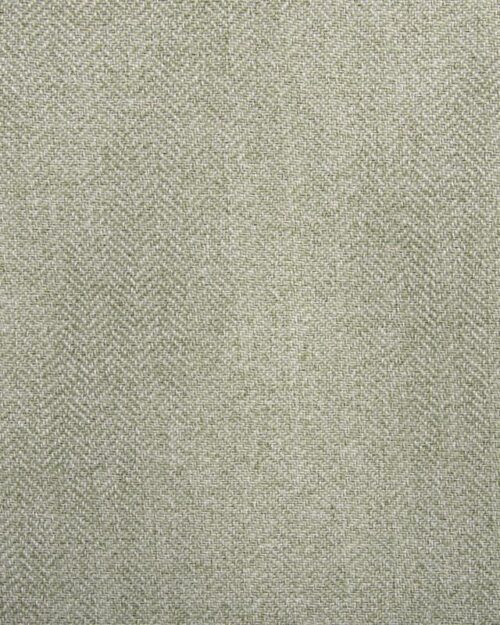
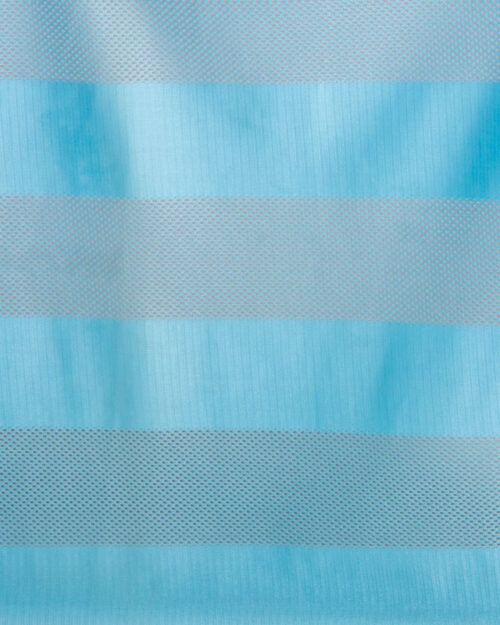
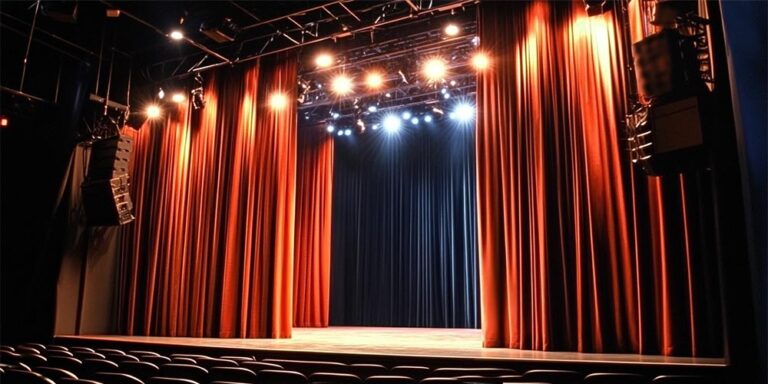
By 2026, fire-retardant (FR) curtains have become a foundational requirement for fire safety and operational compliance in public spaces such as hotels, office buildings, schools, medical facilities, and theaters. Certified FR curtains must provide valid test reports according to standards like NFPA 701 or BS 5867 and maintain self-extinguishing and no-dripping properties even after multiple washes.
Fire-Retardant Curtains
I. Core Concepts of FR Curtains and Common Misconceptions
Fire-retardant curtains are textile materials that pass specific combustion tests, such as NFPA 701 or BS 5867, meeting defined limits for residual flame time, char length, and dripping behavior. Their primary function is to slow the spread of fire and self-extinguish quickly once the heat source is removed, providing critical time for evacuation. It is essential to note that FR fabrics are still combustible materials and are fundamentally different from non-combustible materials.
FR testing typically utilizes the vertical flame test, recording parameters such as after-flame time, after-glow time, char length, and the presence of flaming droplets. A fabric is only classified as compliant if all indicators fall within the standard limits. The defining characteristic of an FR curtain is its ability to extinguish quickly upon ignition without rapid upward propagation or the release of flaming debris that could cause secondary fires.
II. Application Areas and Applicable Standards
FR curtains must be prioritized in high-occupancy spaces, large fabric areas, or locations near escape routes. Typical applications include hotel guest rooms and corridors, office meeting rooms, school auditoriums, hospital wards, theater stages, and exhibition halls. Standard selection varies by region:
Large Floor-to-Ceiling Windows: Fire propagation speeds increase with fabric height, and these areas often have high foot traffic, making them high-risk zones.
Transportation and Vehicle Interiors: These require additional compliance with EN 45545 or FMVSS 302.
Japanese Projects: The JIS L 1091 standard is universally applied for textile flammability.
It is necessary to define the specific test standard required for project acceptance before finalizing any material selection.
III. Choosing Between IFR, FR, and Material Structures
3.1 IFR vs. FR Flame Retardant Routes
The choice of FR technology depends on the expected service life and washing frequency:
IFR (Inherently Fire-Retardant): FR elements are integrated into the fiber’s molecular structure, ensuring stable performance after repeated washing. These are suitable for hotels, hospitals, and schools where the service cycle is ≥5 years and annual washing occurs 4–12 times.
FR (Flame Retardant Treated): Relies on chemical additives applied to the surface; performance degrades over time due to washing, sunlight, and friction. These are suitable for short-term events like exhibitions. Durable FR must include test reports verifying performance after a specified number of washes.
3.2 Fiber Materials: FR Polyester and C/N Blends
Contract projects should prioritize FR Polyester (IFR or Durable FR) for blackout and sheer fabrics. FR Polyester is low-maintenance and easily compliant; blackout fabrics typically range from 260–360 g/m² with widths of 280–320 cm. High-end spaces like reception areas or model homes may use C/N 88/12 (Cotton/Nylon) blends for superior hand-feel and texture.
You can watch the following experiment video to see the flame-retardant effects of different fibers.
3.3 Structures: Woven Blackout vs. Coated Blackout
For a balance of light control, washability, and acoustics, woven blackout (black-yarn sandwich structure) is preferred. Woven structures rely on fiber density to block light, do not peel during washing, and provide sound absorption and thermal insulation. Coated blackout achieve near 100% light blockage through back-coatings, suitable for theaters, but are sensitive to water temperature and mechanical agitation.
FR curtain quality must be verified through quantified indicators:
Limiting Oxygen Index (LOI): A value of ≥26% is recommended as a baseline for flame retardancy.
Vertical Flame Indicators: Char length ≤150 mm, residual flame ≈0s, residual glow ≤2s, and a strict requirement for no flaming droplets.
Blackout Classifications: ≥95% for hotel guest rooms and projection areas; ≥99% for theaters; and 60–90% for standard office spaces.
Wash Durability: Performance must remain compliant after ≥30 standard wash cycles.
Ⅴ、 Performance Stacking Strategies for Professional Procurement
In professional procurement, cost-efficiency is achieved by stacking functions based on specific spatial requirements:
High-Sunlight Glazed Areas: Combine “FR + High Blackout + Heat Insulation/UPF 50+”. This reflects solar radiation, reduces air conditioning loads, and eliminates glare. Insulation should derive from high-density woven structures or air layers to ensure stable thermal buffering.
Medical and High-Humidity Environments: Select “FR + Antibacterial/Antifungal + Easy Clean” formulas. Specifications must require an antibacterial rate of ≥99% and a maintenance of ≥95% after 25 washes to meet hygiene standards.
Cleanrooms and Industrial Environments: Add “Anti-static” functionality. Controlling surface resistance within the 10⁶–10⁹ Ω range protects precision equipment and reduces dust accumulation.
Dining and High-Traffic Areas: Apply “3-Proof (Water, Oil, Stain)” treatments. These form a low-surface-energy micro-membrane creating a “lotus effect,” preventing contaminants from penetrating fibers and extending the product’s life cycle.
Ⅵ、 Auditing Test Reports: Procurement Scrutiny of NFPA 701 Data
Auditing an NFPA 701 report requires analyzing raw data for batch consistency:
Test Method Matching: Procurement must verify fabric weight. Method 1 is for lightweight single-layer fabrics (sheers), while Method 2 is for heavy blackout, multi-layer, or stage curtains. Incorrect method selection invalidates the report for fire audits.
Stability of Flame Time: Ideal data should be close to 0 seconds. If multiple samples show residual flame times near the limit, it indicates poor consistency in the FR process.
Char Length Safety Margin: While the limit is 150mm, high-quality fabrics should test significantly below this to account for natural aging and environmental factors.
Zero Tolerance for Dripping: Reports must explicitly state “No Dripping”. Flaming droplets are a major cause of secondary fires in large auditoriums or high-ceiling window areas.
For FR-treated fabrics, procurement must verify test results after 30 washes to ensure the FR effect is not lost during maintenance.
Ⅶ、 Selection and Acceptance Process: Supply Chain Management
7.1 Five-Step Procurement Decision Process
Define Requirements: Clarify the space function (e.g., sleep, projection, or public corridor) and identify the required fire safety standards (e.g., NFPA 701).
Select Technical Route: Choose between IFR or FR based on maintenance frequency and decide between light-filtering room-darkening or black-yarn sandwich structures.
Quantify Parameters: Write FR indicators, blackout rates, weight, width, and wash cycles into technical specifications.
Sample Verification: Request fabric samples and verify third-party test reports from the last 12 months. Ensure the woven structure matches the sample to prevent performance shifts during production.
Bulk Inspection: Compare bulk delivery with the sealed sample. Randomly sample bulk batches for re-testing of char length and flame time.
7.2 Professional Specification Reference for Commercial Spaces
Ⅷ、 Procurement Contract Technical Clauses: Compliance and Risk Mitigation
Technical specifications in procurement contracts must include the following clauses to ensure compliance:
Certification Clause: Requires compliance with NFPA 701 or BS 5867, with reports from labs with CNAS or ILAC accreditation issued within the last 12 months.
Physical Parameters: Composition (e.g., 100% IFR Polyester), weight range (e.g., 300±20 g/m²), width (e.g., 290–310 cm), and shrinkage (≤3%).
Safety Indicators: Maximum char length, maximum after-flame time, and a strict no-dripping requirement.
Durability Clause: Stipulates that the fabric must meet all original FR standard limits after ≥30 standard wash cycles.
Acceptance and Claims: Defines the sealed sample as the standard and establishes a return mechanism for bulk batch failures.
Ⅸ、 Post-Installation Asset Management: Life Cycle Maintenance
FR performance must be maintained throughout the product’s life cycle:
Washing Protocols: Establish cleaning cycles by area. Washing temperatures should not exceed 60°C; use neutral detergents and avoid strong oxidizing bleaches to prevent fiber damage or FR degradation.
Performance Re-testing: Establish a re-testing schedule for fabrics in high-sunlight or high-maintenance areas. For FR-treated fabrics, periodic sampling is required to confirm safety thresholds.
Scrap and Replacement Standards: Define scrap conditions. Fabrics must be replaced if they show severe mechanical damage, fail re-testing, exceed wash cycle limits, or show significant strength loss due to aging.
IFR fabrics should be evaluated after 5–7 years for physical strength and safety margins to ensure effective reaction speed during an incident.
FAQ
Q:Is an NFPA 701 report mandatory for commercial projects?
A:While not strictly limited to NFPA 701, a fire report recognized by local authorities is mandatory. NFPA 701 and BS 5867 Type C are the most widely recognized for international hospitality projects. Always consult local fire departments for specific requirements before project commencement.
Q:Can I use FR sprays on regular curtains as a substitute?
A:No. FR sprays are only suitable for temporary short-term events. They lack washing durability and cannot provide the third-party vertical flame test reports required for long-term operational fire safety compliance.
Q:Is fabric thickness a determining factor for FR safety?
A:No. Thickness primarily affects light blocking, sound insulation, and hand-feel. Fire safety is determined strictly by test results, such as char length and dripping behavior, regardless of fabric weight.
Q:Can I accept a manufacturer’s internal test report instead of a third-party report?
A:Internal reports are acceptable only during the initial sampling phase. For final project use, procurement must require reports from third-party labs with ILAC, CNAS, or CMA accreditation issued within the validity period to ensure auditability.