Flame retardant fabrics play a crucial role in safety, used widely in curtains, office partitions, transportation interiors, and industrial protective clothing. This guide helps beginners grasp essential knowledge and practical steps for efficient B2B purchasing, avoiding pitfalls and securing compliance.
1. What Is Flame Retardant Fabric and Why Does It Matter?
Flame retardant fabric refers to textiles specially engineered or treated to self-extinguish quickly after exposure to fire, thereby drastically reducing fire spread risks. Unlike fire-resistant materials, which resist burning and maintain structure under high heat, flame retardant fabrics actively suppress flames once the source is removed.
Applications span:
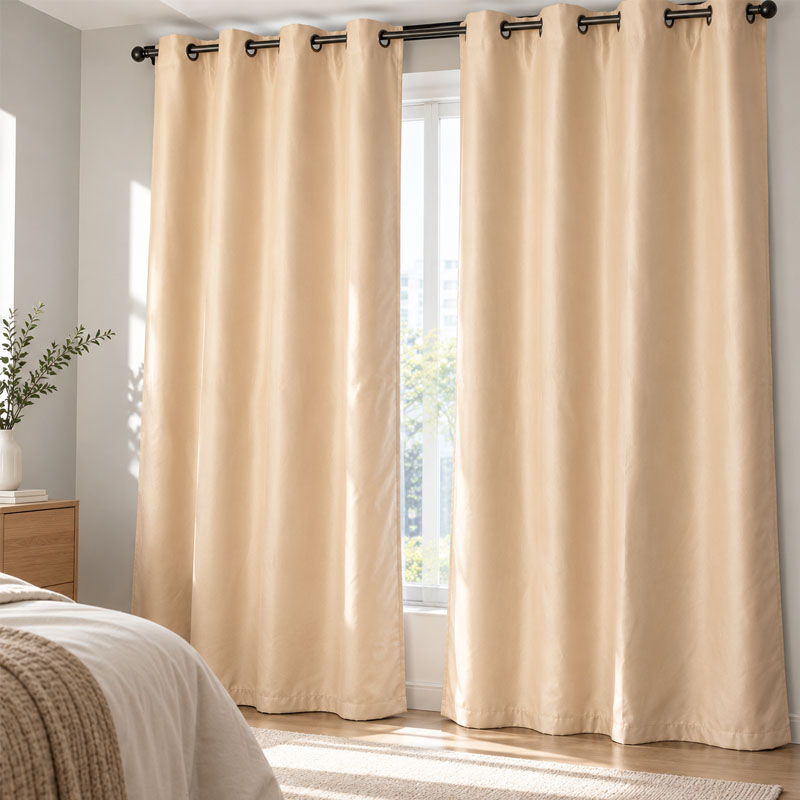
Hotel curtains and interior decorative textiles
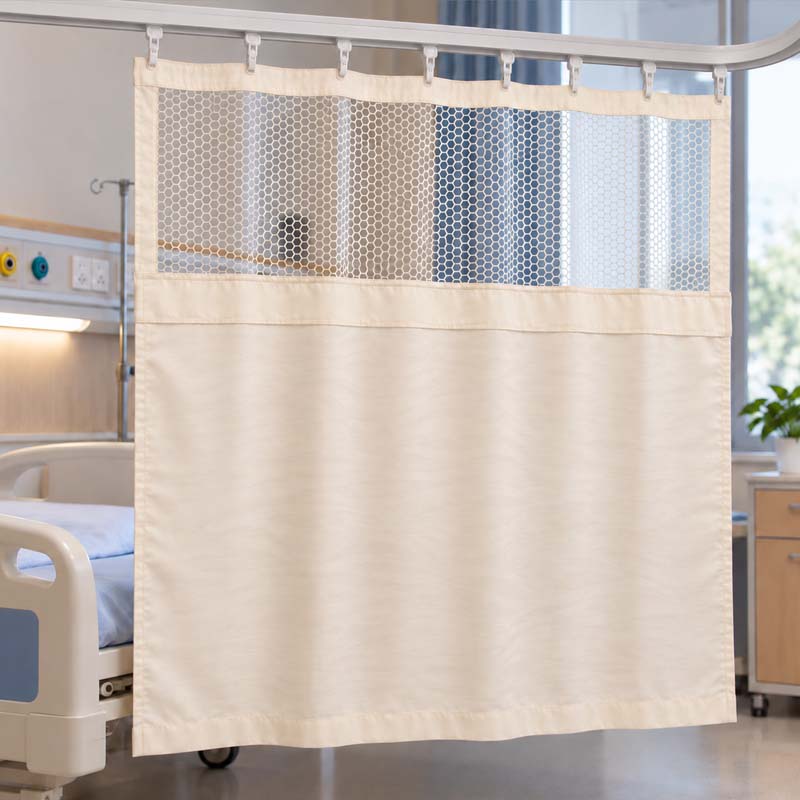
Office partitions and transportation (rail, automotive) interiors
Protective uniforms in petrochemical and industrial sectors
Choosing suitable flame retardant fabrics is a foundational step to ensure safety, compliance, and durability in procurement.
2. Types of Flame Retardant Fabrics and How to Choose
There are two primary categories:
Treated Flame Retardant Fabrics: Produced by applying flame retardant coatings or finishes post-weaving, these fabrics typically endure about 50 industrial washes before losing effectiveness. They offer cost advantages but limited longevity.
Inherently Flame Retardant Fabrics: These use fibers intrinsically flame resistant through polymer blending or chemical incorporation during fiber manufacture, ensuring permanent flame retardant properties that do not degrade with washing. However, their costs are higher.
Recommendations:
For decorative uses such as curtains or vehicle interiors, inherently flame retardant fabrics provide better long-term performance and safety.
For protective clothing where budget constraints apply, treated flame retardant fabrics are a practical option.
3. Clarify Key Purchase Requirements Before Buying
Effective procurement requires defining:
Fabric Specifications: Typical fabric weight ranges from 200-350 g/m²; width (fabric width or “door width”) commonly about 57/58 inches (~1.45 meters). Variations in density and texture influence comfort and technical properties.
Functional Needs: Consider if the fabric requires additional properties like anti-static, waterproofing, oil resistance, light blocking, or ultraviolet protection (UPF50+).
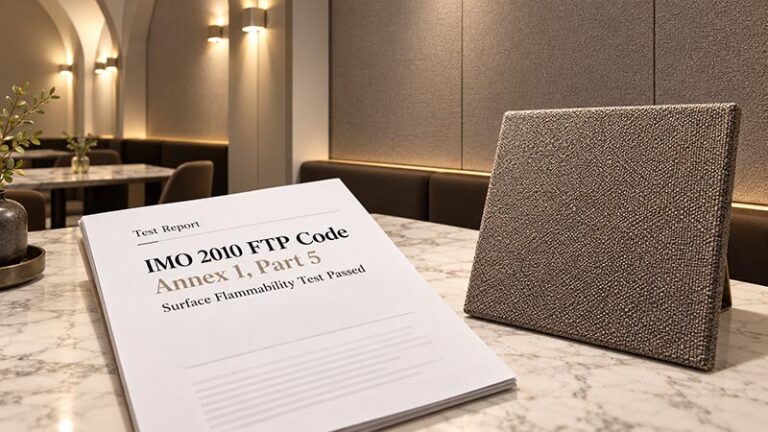
Certifications and Testing Documents: Obtain and verify authoritative third-party testing reports — for example, NFPA 701 (fire performance of textiles), EN 13501-1 (fire classification for building materials), EN ISO 11612 (protective clothing for heat and flame resistance). Documentation such as COA (certificate of analysis) and batch traceability enable quality control and regulatory compliance.
4. MOQ and Delivery Expectation Management
Minimum order quantities (MOQ) and lead times are critical for project planning:
Fabric Type
Typical MOQ
Lead Time
Cotton/Polyester blend
Around 1000 meters
2-3 weeks for stock, 6-8 weeks for customized orders
IFR Polyester blackout
500-1000 meters
2-3 weeks for stock, 6-8 weeks for customized orders
To improve flexibility and reduce storage risk:
Combine orders across colors to meet MOQ.
Start with small trial orders.
Implement rolling orders to match project timelines.
Leading suppliers like BEGOODTEX offer flexible MOQ and sample support to reduce capital lockup.
5. Cost Composition and Budget Control
Fabric costs hinge on:
Fiber Content: Cotton, wool, polyester, and blends have distinct cost and performance profiles.
Flame Retardant Technology: Treatments like Proban and Pyrovatex have moderate to high costs with about 50 washes durability; inherent flame retardant fibers command premium pricing but provide lifetime protection.
Testing and Certification: International standards testing adds upfront expense but safeguards market access and compliance.
Typical Flame Retardant Fabric Cost Comparison:
Technology
Water Wash Durability
Cost Level
Applications
Summary
Proban
Approx. 50 washes
Medium
Cotton protective and industrial workwear
Balanced cost and comfort
Pyrovatex
Approx. 50 washes
Higher
High-end protective garments
Soft, odorless, Oeko-Tex certified
Inherent FR
Permanent
Highest
Curtains, transport, military & police
Durable, permanent flame retardancy
Full cost assessment should include fabric price, finishing, transportation, tariffs, and certification fees. Beware of cheap uncertified fabrics posing export risks.
6. How to Evaluate Suppliers & Importance of Sample Testing
Never select suppliers on price alone. Check:
Authority and validity of third-party test reports (SGS, Intertek, TÜV).
Reasonable MOQ, delivery terms (FOB, CIF, DDP).
Ability to provide samples for independent lab retesting.
Sample testing should verify:
Flame retardancy after 20-50 industrial washes.
Consistency of flame retardant performance across production batches.
Color matching and batch-to-batch consistency to avoid variance in large-scale installations (important for hotels, theaters).
Contracts must clarify quality guarantees, including provisions for product recalls or rework.
Case in point: A North American hotel project successfully sourced BEGOODTEX flame retardant fabric by first testing samples to NFPA 701 standards, then placing a bulk order, mitigating delivery and compliance risks.
7. Market Trends and Buying Recommendations
Demand growth accelerates in sectors such as:
Rail and automotive interiors requiring flame retardancy.
Increasing regulatory push in Europe and North America to phase out PFAS-containing flame retardants and promote sustainability (GRS certification).
Rising popularity of multi-functional fabrics combining flame retardant, anti-static, waterproof, oil-resistant, and UV protection properties.
Choosing reputable certified suppliers like BEGOODTEX ensures product quality, flexible MOQ, and availability to meet evolving market standards.
Budget comprehensively including all ancillary costs.
Obtain and test samples via certified laboratories.
Place bulk orders following approval.
Maintain rolling replenishment schedules.
FAQs
How many washes can the flame retardant last?
begoodtex flame-retardant fabric can withstand over 50 wash cycles while maintaining excellent flame-retardant properties.
Can I customize color and weight?
Most suppliers accommodate customization.
Must each batch undergo third-party tests?
Recommended for large orders; smaller ones can approach flexibly.
What are FOB, CIF, and DDP?
FOB: Seller delivers at export port; buyer handles shipping and insurance. CIF: Seller covers freight and insurance; buyer picks up at destination port. DDP: Seller handles all including clearing and door delivery.