Get in touch
Thank you for reaching out! Please tell us more about your needs — our expert team will get back to you within 24 hours.
Get in touch
Thank you for reaching out! Please tell us more about your needs — our expert team will get back to you within 24 hours.
Introduction
This analysis explores ten fundamental principles for mitigating the risk of fire within the home. It moves beyond a simple checklist to provide a deeper understanding of the mechanisms behind common fire sources, including cooking, heating, and electrical systems. The discussion addresses the cognitive and behavioral aspects of safety, such as the normalization of risk and the importance of practiced emergency responses. By dissecting the causal chains that lead to fires and presenting structured, actionable countermeasures, this guide aims to empower homeowners with the knowledge necessary to create a resiliently safe living environment.

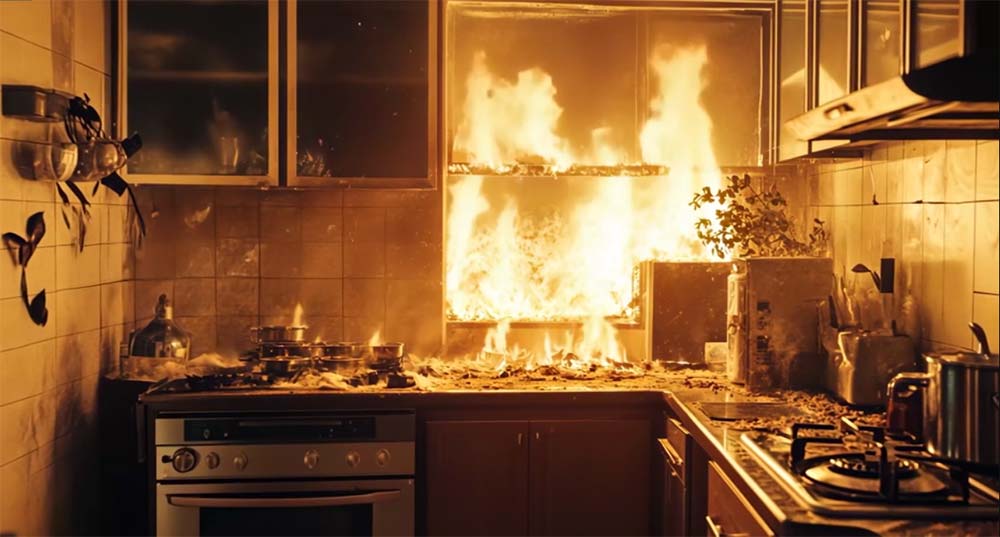
The kitchen, often called the heart of the home, is also its most significant fire risk. The U.S. Fire Administration identifies cooking as the leading cause of reported home fires and home fire injuries (U.S. Fire Administration, 2024). The combination of high heat, flammable oils, and the constant potential for distraction creates a uniquely hazardous environment. Mastering kitchen safety is the single most effective step you can take in your fire prevention efforts.

Imagine you are simmering a sauce. The phone rings, or a compelling scene in a television show draws you from the room. In just a few moments, a gentle simmer can become a rolling boil, boiling over and extinguishing a gas flame, or a pan can run dry, its contents overheating to their ignition point. This scenario, in countless variations, is the primary narrative of kitchen fires. The cardinal rule of kitchen safety is to stay in the kitchen when you are frying, grilling, or broiling food. If you are simmering, baking, or roasting, check the food regularly, remain in the home, and use a timer to remind you that you are cooking. Viewing this not as an inconvenience but as an integral part of the cooking process itself is a foundational shift in mindset.
Grease is a particularly insidious fire hazard. A small amount of grease spattering from a pan can accumulate over time on stovetops, in exhaust hoods, and on nearby walls, creating a ready fuel source. Regular cleaning of these surfaces is not just a matter of hygiene but of fire safety.
Should a grease fire occur in a pan, the instinct to douse it with water is both common and catastrophic. Water, being denser than oil, sinks to the bottom of the pan, where it is instantly superheated into steam. This explosive expansion throws a fireball of burning grease into the room. The proper response is to slide a lid over the pan to cut off the oxygen supply and then turn off the heat. For an oven fire, keep the door closed and turn off the heat.
Consider the layout of your cooking area. Towels, paper products, oven mitts, and curtains should be kept well away from the stovetop. Think of the burners as creating an invisible cylinder of intense heat that extends upwards, and ensure no flammable items can enter this zone.
Microwave ovens and other small appliances also present risks. Only use microwave-safe containers. Metal or non-approved plastics can cause arcing, which is a spark that can ignite food or the interior of the appliance. Keep appliances like toasters and coffee makers clean and free of crumbs and residue. Always unplug them when not in use, not only to save energy but also to eliminate any risk of a malfunction causing a fire while you are away or asleep.
As temperatures drop, we turn to heating equipment to keep our homes comfortable. However, these devices are the second-leading cause of home fire deaths (National Fire Protection Association, 2023). Whether it is a central furnace, a wood stove, or a portable space heater, every heating source demands respect and proper maintenance.
Portable electric space heaters are a common source of fires. They can draw a significant amount of electrical current, potentially overloading circuits, and their heating elements become hot enough to ignite nearby materials. The most vital guideline is the “three-foot rule”: keep anything that can burn, such as furniture, curtains, bedding, and people, at least three feet away from the heater on all sides.
Think of this three-foot zone as a non-negotiable “circle of safety.” Never place a heater on top of furniture or in a high-traffic area where it could be knocked over. Choose a modern model with a tip-over switch that automatically shuts the device off if it falls. Finally, plug space heaters directly into a wall outlet; never use an extension cord or power strip, which can overheat from the high current draw.
Your home’s primary heating system works hard during the cold months and requires professional attention. Have your furnace, boiler, and any other central heating equipment inspected and serviced by a qualified technician at least once a year, typically before the heating season begins. This can identify and correct issues like cracked heat exchangers in furnaces, which can leak carbon monoxide, or faulty controls that could lead to a fire.
Similarly, if you have a fireplace or wood stove, the chimney needs to be cleaned and inspected annually. Creosote, a flammable byproduct of burning wood, can build up inside the chimney flue and ignite, causing a dangerous chimney fire.
A fireplace adds warmth and ambiance, but it is also an open flame inside your home. Always use a sturdy screen to stop sparks from flying out and igniting a rug or nearby furniture. Burn only dry, seasoned wood. Green or wet wood produces more smoke and creosote. Never burn paper, trash, or artificial logs in a wood stove, as they can burn unpredictably and dangerously hot. Before you go to bed or leave the house, make sure the fire is completely out.

Our homes are powered by a complex web of wires, circuits, and outlets. When functioning correctly, this system is safe and reliable. When it is old, damaged, or misused, it becomes a leading cause of home fires. Electrical distribution or lighting equipment is the third most common cause of home fires (U.S. Fire Administration, 2024).
Think of your home’s electrical circuits as roadways. Each one is designed to handle a certain amount of traffic (electrical current). Plugging too many devices into a single circuit, especially high-draw appliances like space heaters, hair dryers, or microwaves, is like causing a massive traffic jam. The wires can overheat, melting their protective insulation and igniting surrounding materials like wood framing or insulation.
Warning signs of an overloaded circuit include frequently tripping circuit breakers, flickering or dimming lights when an appliance turns on, a burning smell from an outlet, or discolored or warm wall plates. If you experience these, it is time to consult a qualified electrician.

Extension cords are intended for temporary use only. They are not a substitute for permanent wiring. Using them for long periods can lead to them being damaged by foot traffic, furniture, or kinking, creating a fire hazard. Never run extension cords under rugs or carpets, where damage can go unnoticed and heat can build up.
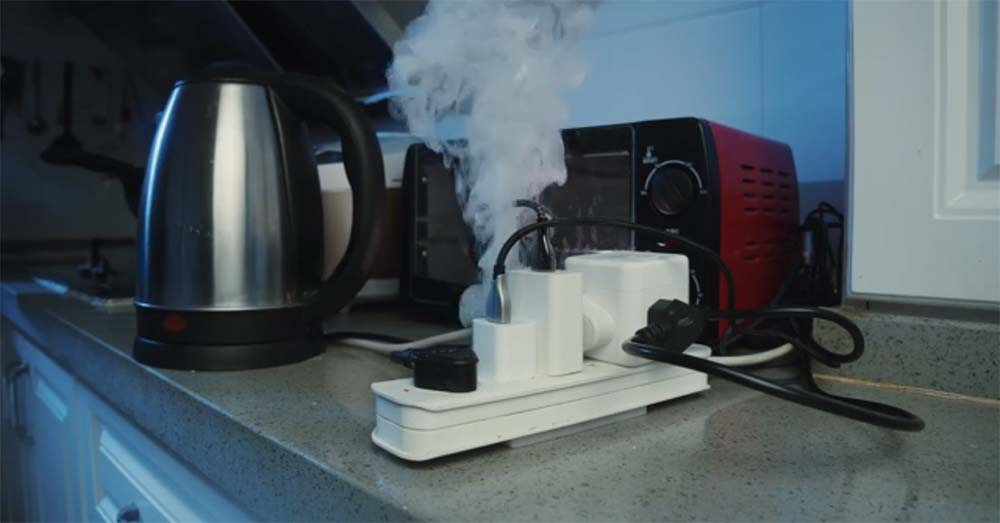
When using a power strip, ensure it has an internal overload protection fuse or circuit breaker. Do not “daisy-chain” power strips by plugging one into another. This does not add capacity; it simply creates a greater risk of an overload at the wall outlet.
In older homes, wiring can be a significant concern. Systems installed decades ago were not designed to handle the electrical load of modern life. Aluminum wiring, used in some homes in the 1960s and 70s, can be a particular hazard if not properly maintained. Outdated “knob and tube” wiring found in very old homes lacks a ground wire and can have brittle insulation.
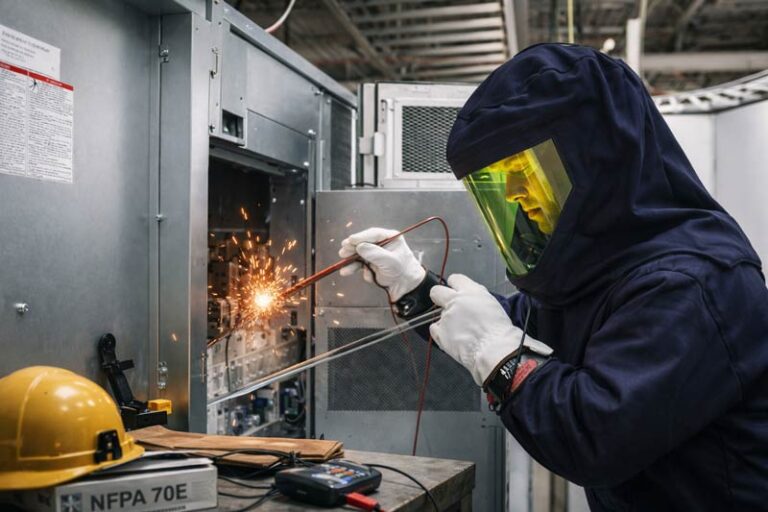
Signs of dangerous wiring include recurring blown fuses, sparks from an outlet when you plug something in, or receiving a mild shock from an appliance. These are not minor quirks; they are urgent warnings. Do not attempt to diagnose or fix major electrical problems yourself unless you are a qualified professional. The risks are simply too high.
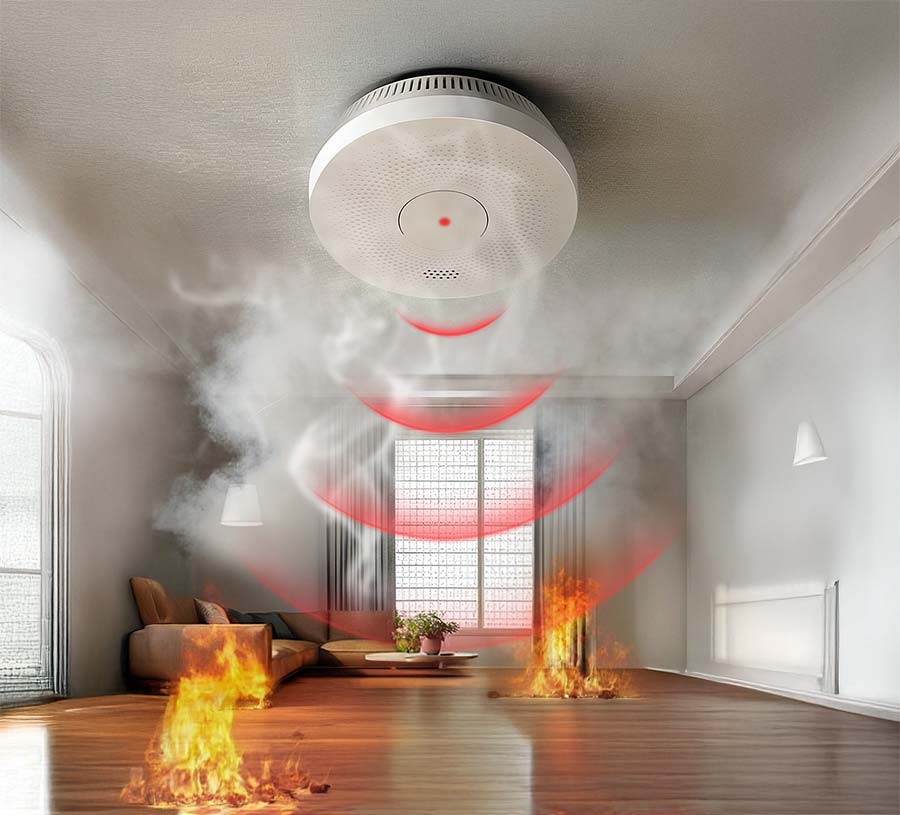
If a fire does start, early warning is the most important factor in surviving it. A working smoke alarm can cut the risk of dying in a home fire by more than half (National Fire Protection Association, 2021). It is an inexpensive, simple device that provides an irreplaceable service: it is your 24/7 electronic nose, smelling smoke long before a sleeping person would.

A fire can become life-threatening in just two minutes. Toxic smoke and superheated gases can fill a home with astonishing speed. A smoke alarm provides the precious seconds needed to execute your escape plan. For this reason, it is not enough to have a single alarm. The NFPA recommends installing smoke alarms inside each bedroom, outside each separate sleeping area, and on every level of the home, including the basement. For larger homes, consider interconnected alarms; when one sounds, they all sound, ensuring everyone is alerted simultaneously.
Proper maintenance is as important as installation. A non-working alarm is just a piece of plastic on the ceiling. The following table outlines a simple, effective maintenance schedule.
| Task | Frequency | Why It’s Important |
|---|---|---|
| Test the Alarm | Monthly | Press the test button to ensure the electronic components and sounder are working. |
| Replace Batteries | Annually (or as needed) | Change batteries once a year, even if they are not low. A good habit is to do it when you change your clocks for daylight saving time. |
| Gentle Cleaning | Every Six Months | Dust and cobwebs can interfere with the sensor. Gently vacuum the exterior of the alarm with a soft brush attachment. |
| Replace the Entire Unit | Every 10 Years | The sensors inside smoke alarms degrade over time and lose their sensitivity. The manufacturing date is printed on the back of the alarm. |
There are two main types of smoke alarm sensors: ionization and photoelectric. It is helpful to understand the difference to ensure you have comprehensive protection.
| Sensor Type | Best At Detecting | How It Works | Common Placement |
|---|---|---|---|
| Ionization | Fast-flaming fires with small combustion particles (e.g., paper fire). | A tiny amount of radioactive material ionizes the air in a chamber; smoke particles disrupt this flow, triggering the alarm. | Hallways, general living areas. |
| Photoelectric | Slow, smoldering fires with large combustion particles (e.g., a cigarette on a sofa). | A beam of light is aimed away from a sensor. Smoke particles scatter the light, causing it to hit the sensor and trigger the alarm. | Near kitchens and in or near bedrooms. |
Because you cannot predict what kind of fire might start, the best practice recommended by safety organizations is to use either dual-sensor alarms, which contain both technologies, or a combination of both types of alarms throughout your home (U.S. Fire Administration, 2024).
Fires started by cigarettes, cigars, or other smoking materials are a leading cause of home fire deaths. While the overall number of such fires has decreased over the years, they remain disproportionately deadly because they often start with the smoldering ignition of upholstery or bedding, producing toxic gases long before open flames appear.
A cigarette can smolder for hours in a sofa cushion or mattress before erupting into flames, often after the occupants of the home have fallen asleep. This is why smoking in bed or when you are drowsy is exceptionally dangerous. The combination of impaired awareness and flammable bedding is a lethal one. If you are a smoker, make a firm rule to never smoke in bed.
The safest approach is to smoke outside. If you must smoke indoors, choose a designated area and use large, deep, non-tip ashtrays. Before you dispose of ashes and butts, ensure they are completely cold. A good practice is to douse them with water before putting them in the trash. Never discard smoking materials in vegetation, potted plants, or any other place where they could ignite dry fuel. Check behind couch and chair cushions for any fallen embers or butts before leaving a room or going to bed.
Candles create a pleasant atmosphere, but they are also an open flame. According to the NFPA, candles cause an average of 21 home fires per day in the United States (National Fire Protection Association, 2023). These fires are most often caused by placing candles too close to flammable materials.
Just as with space heaters, you should maintain a “circle of safety” around candles. A one-foot clearance is a good minimum, but more is better. Keep them away from curtains, decorations, books, and anything else that could burn. Always place them on a sturdy, heat-resistant surface where they cannot be knocked over by children or pets.
Never leave a candle burning in an unattended room. Extinguish all candles before you leave the house or go to sleep. A moment of pleasant ambiance is never worth the risk of an unattended fire. When you extinguish a candle, ensure the wick ember is no longer glowing.
For those who love the look of candles but are concerned about the risk, modern battery-operated flameless candles are an excellent alternative. Many use LEDs to realistically mimic the flicker of a real flame without any of the associated hazards of heat or fire. They can be placed anywhere, used around children and pets, and left “on” without worry, providing peace of mind.
Many common household products, from cleaning solvents and paints to gasoline and propane, are highly flammable. Improper storage and use of these materials can lead to swift and intense fires. Understanding the nature of these substances is key to handling them safely.
Flammable liquids release vapors that can ignite from a pilot light, a spark from a motor, or even static electricity. Read the labels on all chemical products and follow the storage instructions precisely. As a general rule, store flammable liquids like gasoline, kerosene, and propane in their original containers or in approved safety cans, and always keep them in a well-ventilated area outside the living space of your home, such as a detached shed or garage.
Never store gasoline inside your home. Its vapors are heavier than air and can travel along the floor to an ignition source. Propane tanks for your grill should also be stored outdoors, never in a garage or basement.
A less obvious but extremely dangerous hazard is spontaneous combustion from oily rags. Rags soaked with certain oils, particularly linseed oil, tung oil, and other oil-based stains and finishes, can generate their own heat as they dry. If they are wadded up in a pile, this heat can build until the rags ignite without any external spark. This is not a myth; it is a well-documented chemical reaction.
To dispose of oily rags safely, do not pile them up. Either spread them out flat on a non-flammable surface to dry completely, or place them in a sealed metal container filled with water and contact your local waste disposal facility for guidance on proper disposal.
Even with the most diligent prevention efforts, a fire is still possible. In that event, a well-rehearsed escape plan is your family’s most valuable asset. In the smoke and panic of a real fire, you will not have time to think. You must rely on practiced routine.
Walk through your home with every member of the household and identify two ways out of every room. One will be the door, and the second might be a window. Ensure that these windows are not blocked and can be opened easily. For second-story windows, consider purchasing and storing escape ladders in or near the bedrooms. This is not about creating fear; it is about building confidence and competence. It is a practical skill, like knowing how to swim.
An escape plan on paper is not enough. You must practice it. The NFPA recommends holding a home fire drill at least twice a year. Push the test button on a smoke alarm to start the drill. Practice getting low to the ground and crawling under the smoke, where the air is cleaner. Emphasize that once you are out, you must stay out. Never go back inside a burning building for any reason.
As part of your plan, designate a specific meeting place outside, a safe distance from the home. This could be a neighbor’s house, a specific tree, or the end of the driveway. This spot is critical because it provides an immediate way to know that everyone has gotten out safely, preventing the tragedy of someone going back into the fire to look for a person who is already safe.
Fire risks extend beyond the four walls of your home. Activities in the yard and celebrations during holidays introduce unique hazards that require specific attention.
Barbecue grills are a source of enjoyment, but they also cause thousands of fires each year. Place your grill well away from your home’s siding, deck railings, and overhanging eaves or branches. Keep it clean, removing grease and fat buildup that can be ignited. For propane grills, check the gas line for leaks before the first use of the season by applying a light soap and water solution; if you see bubbles, there is a leak.
Fire pits should be used with similar caution. Use them on a non-flammable surface, at least 10-25 feet away from any structure or combustible material. Never use flammable liquids to start the fire, and have a fire extinguisher, garden hose, or bucket of sand nearby.
The holiday season brings its own set of fire risks. When choosing a live Christmas tree, look for a fresh one with green needles that do not fall off easily. Keep the base filled with water to prevent it from drying out and becoming a tinderbox. Place the tree away from heat sources like fireplaces or space heaters.
Inspect all holiday light strings for frayed wires, cracked sockets, or loose connections. Do not overload electrical outlets. Use lights that have been tested for safety by a recognized testing laboratory, and use only outdoor-rated lights for exterior decorating. Turn off all holiday lights before you go to bed or leave the home.
The final principle in our exploration of ways to prevent fire at home involves the very materials that furnish our environment. While prevention focuses on stopping a fire from starting, mitigation focuses on slowing its growth if it does ignite. The choices you make in fabrics for curtains, upholstery, and bedding can have a profound impact on how quickly a small flame becomes a room-encompassing inferno.
Many common textiles, such as untreated cotton and linen, can ignite and burn quickly. Synthetic fabrics like polyester and nylon are often slow to ignite but can melt and drip, causing severe burns and spreading the fire. The arrangement of these materials matters immensely. A fire that starts on a sofa can quickly spread to nearby curtains, then to the carpet, in a process called “flashover,” where an entire room erupts in flames almost simultaneously.
This is where the science of textiles provides a powerful layer of safety. Unlike fabrics that are treated with topical chemicals that can wash out or wear off over time, inherently flame-retardant (IFR) fabrics are made from fibers that have flame resistance built into their chemical structure. Materials like IFR polyester are designed to resist ignition and, if they do catch fire, to self-extinguish once the heat source is removed.
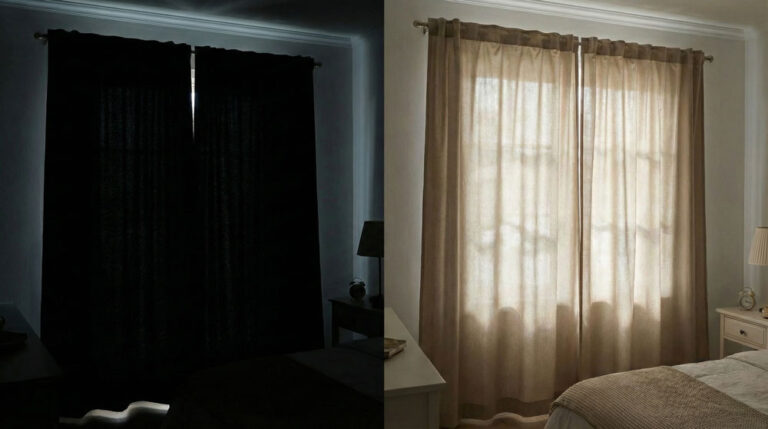
Choosing IFR fabrics for items like cubicle curtains in a home office, blackout or dimout curtains in a bedroom, or upholstery for furniture adds a passive, continuous layer of protection. It is a one-time decision that provides ongoing peace of mind. For example, using IFR bedding and pajamas, especially for children, can provide critical extra seconds for escape in the event of a nighttime fire. These materials are tested against rigorous standards, such as NFPA 701 for draperies, ensuring they perform reliably when needed most.
Effective home fire safety is not about relying on a single solution. It is about building a system of layered defenses. Think of it this way:
When you combine mindful habits with smart technology and informed material choices, you create a home that is not just comfortable and beautiful, but also fundamentally resilient against the threat of fire.
The leading cause of home fires and fire-related injuries is unattended cooking. It is vital to always stay in the kitchen while frying, grilling, or broiling and to use a timer as a reminder when baking or roasting.
Smoke detectors should be replaced entirely every 10 years. The sensors inside them degrade over time and become less effective. The date of manufacture is printed on the back of the unit, so you can check its age.
A multipurpose, or “ABC,” fire extinguisher is the most versatile choice for a home. It can handle Class A (ordinary combustibles like wood and paper), Class B (flammable liquids like grease and gasoline), and Class C (electrical) fires. It is a good idea to have one in the kitchen and in the garage or workshop.
Yes, older homes can be at a higher risk, primarily due to outdated electrical systems that were not designed to handle the load of modern appliances. Faulty or degraded wiring is a significant fire hazard. If you live in an older home, a professional electrical inspection is a wise investment.
Even if you think a fire is completely out, it is safest to call the fire department to inspect the scene. Fire can hide and smolder inside walls or ceilings and reignite later. A professional inspection ensures the area is safe and there are no hidden dangers.
In a fire, the primary exit, usually the door, may be blocked by fire or smoke. Having a second way out, such as a window, is a critical part of a safe escape plan. It provides an alternative route to safety when the first one is impassable.
No, you should never plug a space heater into an extension cord or power strip. Space heaters draw a large amount of electricity, which can cause the cord to overheat and start a fire. Always plug them directly into a wall outlet.
The journey through these ten ways to prevent fire at home reveals a simple but profound truth: safety is a culture, not a checklist. It is a way of thinking and acting that is woven into the fabric of daily life. It is the mindful glance at the stovetop before leaving the kitchen, the monthly push of the test button on a smoke alarm, the calm conversation with your children about your family’s meeting place.
These actions, when practiced consistently, transform from chores into rituals of care. They are expressions of responsibility for ourselves, our loved ones, and the sanctuary we call home. By embracing this culture of safety, we do more than just reduce risk; we build a foundation of peace of mind that allows us to fully enjoy the comfort and security that a home is meant to provide.
National Fire Protection Association. (2021). Smoke alarms in US home fires.
National Fire Protection Association. (2023). Home structure fires.
U.S. Fire Administration. (2024). Home fire causes.