Get in touch
Thank you for reaching out! Please tell us more about your needs — our expert team will get back to you within 24 hours.
Get in touch
Thank you for reaching out! Please tell us more about your needs — our expert team will get back to you within 24 hours.
Abstract: This article mainly introduces the importance and production methods of antibacterial and deodorizing fabrics and textiles, the classification of different antibacterial and deodorizing textiles, as well as testing methods and standards.
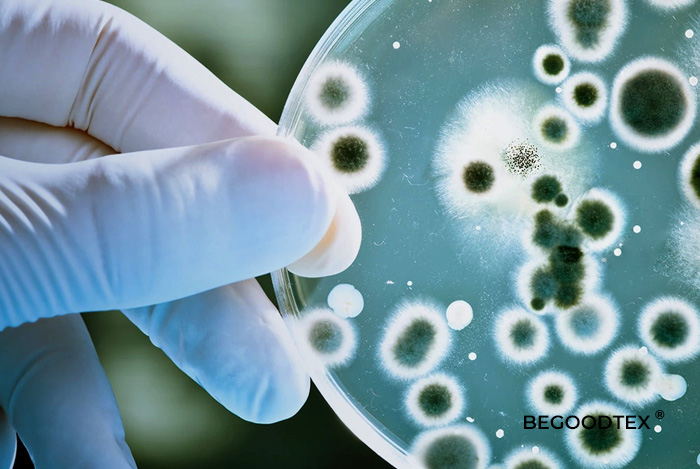
Microbes play a role in maintaining the natural balance of ecosystems with their small size and uncomplicated structures as defining traits. They are generally classified into three groups based on their features. Noncellular microorganisms with prokaryotic characteristics and those with eukaryotic traits. Most microorganisms are harmless or even beneficial to humans; however, a handful of them can pose health risks, to humans and other living beings. These harmful microorganisms that can cause diseases are known as pathogens.
Bacteria are the most widely distributed and diverse type of microorganisms, mainly classified into cocci, bacilli, and spirochetes based on their morphology. Bacteria are widely present in nature, some of which are closely related to human health. For example, Staphylococcus aureus can cause skin infections and other health problems, while lactic acid bacteria are an important component of probiotics that can regulate gut microbiota.
Two main groups of fungi are yeast and mold which have roles in various industries like food production where yeast is used for fermentation and in the making of wine while fungi aid in breaking down organic materials and also contribute to antibiotic manufacturing processes. Despite their roles in certain industries and ecological systems, some types of fungi like white fungus can lead to illnesses such, as athletes’ foot affecting human health negatively.
Non cellular microorganisms like viruses depend on host cells for survival. Can cause severe illnesses like influenza and COVID-19. In addition, to viruses protozoa and cyanobacteria also play roles in ecosystems and are utilized in various industrial applications.
Textiles play a role in our everyday lives as they directly touch our skin; thus maintaining their cleanliness is essential, for hygiene reasons and overall well-being.
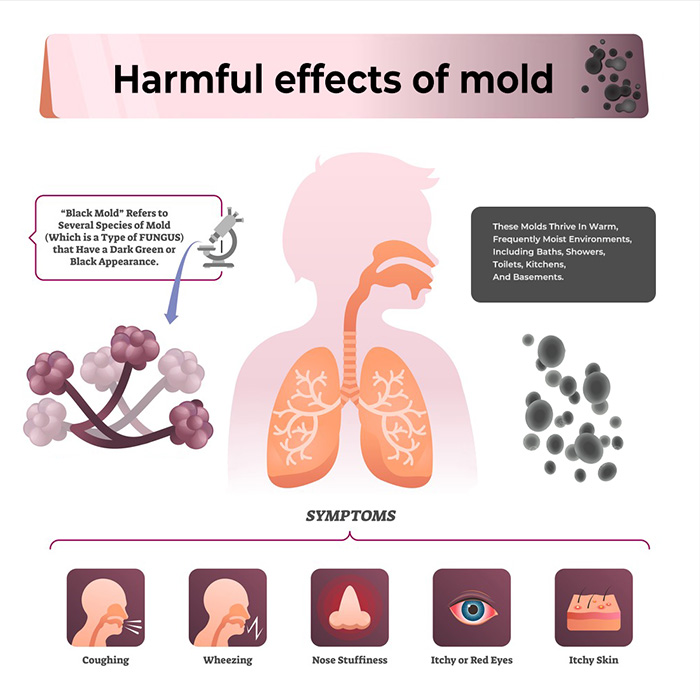
Natural materials like cotton and wool tend to attract microorganisms because of their ability to absorb moisture easily known as hygroscopicity. In areas with humidity levels, microorganisms like Aspergillus niger and Penicillium can quickly multiply on cotton fibers causing mold growth that shows as yellow discoloration on the surface of the fibers, an unpleasant smell, and a decrease in strength.
Even though synthetic fibers lack elements in their composition the oils and additives applied during manufacturing could offer the nutrients essential for bacteria to thrive. For instance, lipid compounds clinging to polyester fibers can support the growth of Escherichia coli resulting in discoloration of the fabric and degrading its performance over time.
Humans naturally produce secretions. Sweat that serves as nutrients for microorganisms in the body. When these microorganisms break down the sweat components they release substances, like unsaturated fatty acids and ammonia which can lead to unpleasant odors. This cannot only make wearing clothes uncomfortable but also potentially irritate the skin.
In essence, creating fabrics that have deodorizing properties proves to be a valuable solution to the issues mentioned above. This development plays a role, in enhancing user satisfaction and promoting public well-being.
The origins of antimicrobial fabrics date to ancient times in Egypt around 4000 years ago when people utilized herbs and minerals to preserve and enhance the longevity of textiles. In the century advancements in chemical technology led to the refinement of antibacterial finishing techniques. Throughout World War II antimicrobial technology played a role, in treating military uniforms to maintain soldiers’ hygiene in challenging conditions.
Initially antibacterial and odor control, in fabrics relied heavily on fabric treatments like spraying or applying substances on the fabric surface. While this method is straightforward its antibacterial efficacy tends to diminish over time. Notably decreases after repeated washing.
In the 1990s researchers started looking into integrating elements directly into fiber arrangements to create fibers that have lasting antibacterial features. This approach greatly enhances the strength and safety of fabrics.
The rise in awareness of conservation has sparked interest in exploring natural antibacterial materials like chitosan and plant extracts, for creating eco-friendly antibacterial fabrics. Moving forward antibacterial and odor-resistant textiles are expected to evolve towards more versatile options to cater to the increasing market needs.

Antibacterial agents play a role in giving textiles antibacterial properties and the specific types and characteristics of these agents have a direct impact, on how effective the antibacterial features of the textiles are enhanced through proper selection and application of these agents can greatly enhance the hygiene and durability of textiles.
Choosing antibacterial medications involves carefully taking into account various factors, such as;
Different types of finishing agents are categorized primarily as inorganic compounds organic substances or natural products depending on their chemical composition and origins each having distinct benefits and specific uses.
Metal ions like ions in inorganic antibacterial agents attach to the walls of microbial cells and alter their structure to prevent bacterial growth effectively across various strains with lasting effects. Some materials such as nanosilver are widely recognized for their effectiveness and safety, in fabric applications despite their price point compared to other options available today.
Some natural substances with properties are quaternary ammonium salts and guanidine compounds among others like phenols. These substances work by either entering cell membranes or stopping enzyme function to kill bacteria effectively. For instance, quaternary ammonium compounds can destroy bacteria by attaching to their cell walls and changing how the membrane functions. In comparison, to antibacterial agents organic ones are simpler to customize but may not last as long.
Plant extracts like tea tree oil and mugwort and animal-derived substances like chitosan and lysozyme are antibacterial agents that possess potent antibacterial qualities and are environmentally friendly due to their biodegradability—a promising aspect for the future of textile production that focuses on sustainability and eco-friendliness. Chitosans’ ability to interact with cell membranes through its positive charge results in the disruption of their structure—an attribute that has led to its widespread application, in medical textiles.
Antimicrobial finishing agents work to prevent or eliminate microorganisms using methods of action.
Physical effect: Modifying the structure of the fabric surface like creating a nanofilm can help stop microbes from sticking to it.
Chemical action: Chemical action involves killing microorganisms by releasing active substances, like metal ions or free radicals.
Biological action: Using the response of antibacterial substances and microorganisms like interfering with enzyme systems to stop their multiplication and development.
In years there have been ongoing enhancements and advancements in the manufacturing process of antibacterial fibers through the incorporation of antibacterial elements, within the fibers themselves to prolong the antibacterial effectiveness and lifespan of textiles while also enhancing their eco-friendliness and practicality.
Chitin and chitosan are compounds derived from shrimp and crab shells that are known for their strong antibacterial qualities and compatibility, with living organisms.
Production process
The creation of chitin and chitosan fibers involves using spinning technology. The fundamental process consists of the following steps;
Application examples
Chitin fibers have applications in the medical field, like wound dressings and surgical sutures, and are also utilized in functional clothing designed for antibacterial properties and breathability.
Blended anti-bacterial fibers are created by combining bacterial agents with matrix polymers through a spinning process, which helps maintain a balance between anti-bacterial effectiveness and mechanical strength making it a crucial technique, for producing functional fibers.
Process characteristics
Advantages
Blended fabrics exhibit strength and longevity while retaining antibacterial properties effectively even after multiple washes, in high-frequency washing scenarios, and enable efficient large-scale manufacturing processes.
The creation of fabrics includes using different technological techniques to give textile materials effective antibacterial qualities through specific processing and treatment methods that may differ based on product features and usage scenarios.
The addition of properties to fabrics typically happens after the initial processing stage through methods, like impregnation or coating.
The immersion technique involves soaking the material in a solution for antibacterial finishing to coat the fiber surface with the antibacterial agent before proceeding with drying and curing treatments—a straightforward process applicable, to a variety of fabric types.
The process involves blending substances, with coating materials and uniformly applying them onto fabric surfaces to create a protective layer that resists bacteria growth effectively and lasts long; however‚ it might slightly affect the fabrics texture and breathability.
The process of pad dyeing involves the application of substances onto fabric surfaces in a continuous manner that is well suited for mass production in industries. It proves to be efficient in enhancing production rates and finds extensive applications in treating home textile items, such as bedsheets and drapes for antibacterial purposes.
For instance, with an antibacterial finishing agent called DC 570,0, it securely attaches active antibacterial components to fabric surfaces via chemical reactions and exhibits strong resistance, to washing while providing wide-ranging antibacterial benefits. Also, studies indicate that the antibacterial efficacy of BEGOODTEX permanent flame-retardant fabricremains above 90% after undergoing 50 wash cycles.
Textile deodorizers work to eliminate odors from fabrics through processes like treatment methods and absorption or decomposition of odor particles present in the material itself. As the desire for a quality of life continues to rise among consumers globally there is a corresponding increase in the market, for textiles designed to combat unpleasant odors.
Deodorants transform molecules like ammonia and hydrogen sulfide into substances with little to no scent using chemical adsorption or catalytic reactions. Activated carbon is an example of a material that can absorb molecules due, to its porous nature; metal oxide catalysts break down odor molecules through redox reactions.
Deodorizing fiber is a type of fiber produced by incorporating deodorizing components, like activated carbon powder and metal oxide particles into the manufacturing process of the fiber itself. This unique fiber not only traps unpleasant odors but also showcases impressive durability and eco-friendly features.
Process flow:
Fabric deodorization is primarily done using techniques like coating the fabric, with agents or immersing and spraying them with deodorizers to enhance odor control in everyday textiles like sportswear and home linens.
Assessing the effectiveness of deodorization typically involves monitoring the alterations, in organic compounds (VOC) concentrations and conducting sensory assessments to gauge fabric odor intensity changes effectively.

BEGOODTEX uses advanced testing technology. Testing the effectiveness of fabrics is crucial for evaluating their practical impact and typically involves qualitative and quantitative analyses, as common approaches.
Assess the effectiveness of properties by measuring the size of the zone where bacterial growth is inhibited using the agar diffusion technique.
Method for counting colonies; Estimate the effectiveness by monitoring variations in the quantity of microorganisms present, in the sample.
In line, with the guidelines and real-world usage situations, the bacterial strains commonly utilized for testing purposes are as follows;
Assessing how well an antibacterial product works typically involves looking at factors, like its antibacterial rate and the size of the inhibition zone it creates on surfaces it is applied to over time. Furthermore testing how easily fabrics retain their properties after washing is a crucial aspect used to determine the lasting impact of the antibacterial treatment.
International standards:
Currently in the textile industry testing the effectiveness of fabrics relies heavily on several established international standards.
These guidelines offer industry-established testing methods to guarantee the consistency and dependability of product performance.

BEGOODTEX offers high-performance antibacterial flame-retardant fabrics. Our innovative textile solutions are designed to inhibit the growth of bacteria and fungi, ensuring a high level of hygiene and health safety. The antibacterial and mold-proof fabric provided by BEGOODTEX is reported to maintain a suppression rate of over 90% even after 50 washes, which is a testament to the durability and effectiveness of the treatment applied to the fabric.