Get in touch
Thank you for reaching out! Please tell us more about your needs — our expert team will get back to you within 24 hours.
Get in touch
Thank you for reaching out! Please tell us more about your needs — our expert team will get back to you within 24 hours.

In-depth analysis of 7 key Flame Retardant Fabric Applications (Hospitality, Healthcare, Expo, etc.). Compare IFR vs. TFR and master NFPA 701 compliance for safe sourcing.

Flame retardant fabrics play a crucial role in safety, used widely in curtains, office partitions, transportation interiors, and industrial protective clothing. This guide helps beginners grasp essential knowledge and practical steps for efficient B2B purchasing, avoiding pitfalls and securing compliance.…

For those of you involved in curtain projects for hotels, guesthouses, B&Bs, theaters, and schools, do you often encounter the following questions? If so, please be sure to read this article carefully. The different processes and standards for curtains will…

Starting a sewing or craft project can be exciting, but estimating the right amount of fire retardant fabric is often challenging. Buying too much fire resistant fabric leads to unnecessary expenses and waste, while purchasing too little can delay the…

Choosing the Right Materials Materials with Excellent Fire-Resistant Properties Flame retardant clothing is crafted using materials designed to resist ignition and inhibit the spread of flames. The choice of fabric is critical in ensuring the safety and effectiveness of such garments.…

Flame Retardant Air Ducts Replacing Traditional HVAC Duct Systems The shift from traditional metal HVAC duct systems to flame retardant fabric air ducts is revolutionizing the heating, ventilation, and air conditioning (HVAC) industry. Flame retardant fabric air ducts offer numerous advantages that make…
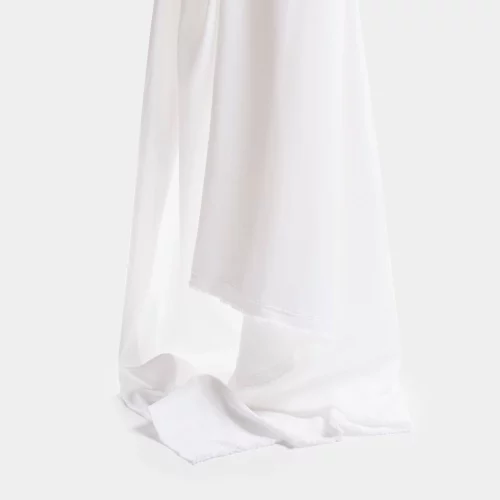
The Principles of Flame Retardancy in Bedding Fabrics Ensuring that bedding fabrics are flame retardant is essential for maintaining textile safety and reducing fire risks effectively in homes and public spaces alike. they can create a shield, on the surface…

Importance of Flame-Retardant Sofa Fabrics Flame-resistant sofa fabrics are crucial for maintaining safety in residences and offices where the threat of fire exists because sofas not resistant to flames can accelerate fire risks by providing fuel for the flames to…
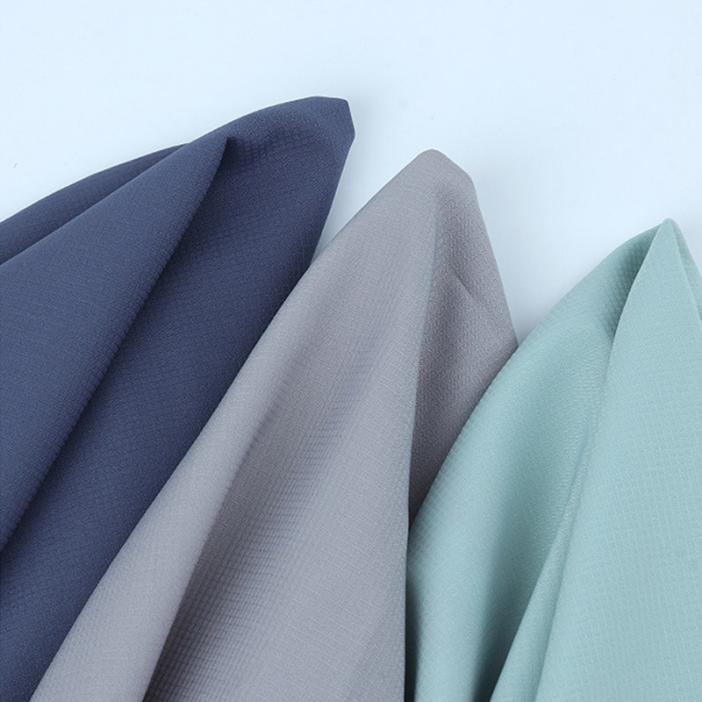
Understanding the Importance of Flame Retardant and Anti-UV Fabrics Combining Protection: Flame Resistance and UV Shielding The integration of anti-UV properties with flameretardant fabric is essential for industries that operate outdoors or in environments exposed to direct sunlight. UV radiation poses several…
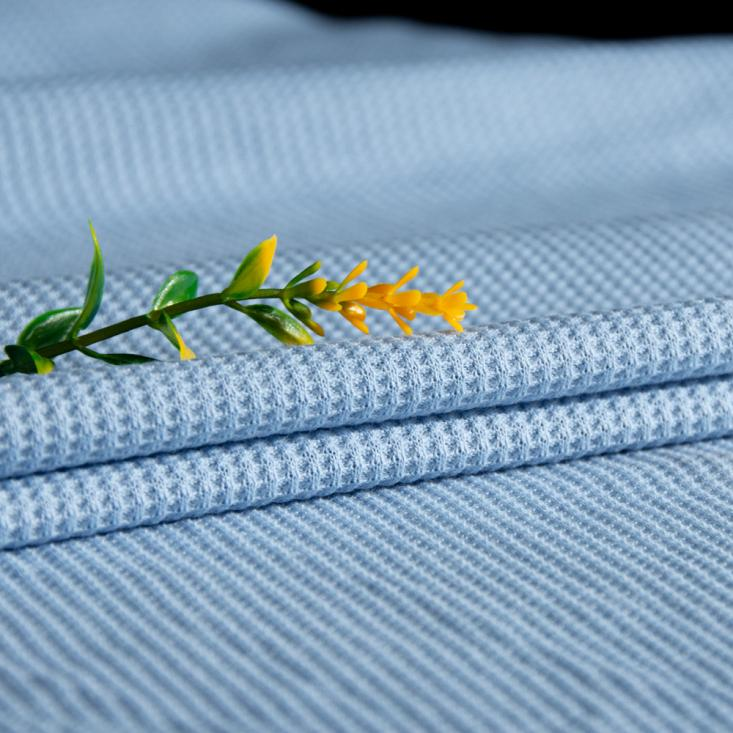
Flame-resistant textiles have become an element in a range of sectors, such as home textile, bedding, event, medical, clothing, industry, interior, architecture and hospitality, thanks to their capacity to lower the chances of fires and boost safety. The increasing recognition of…
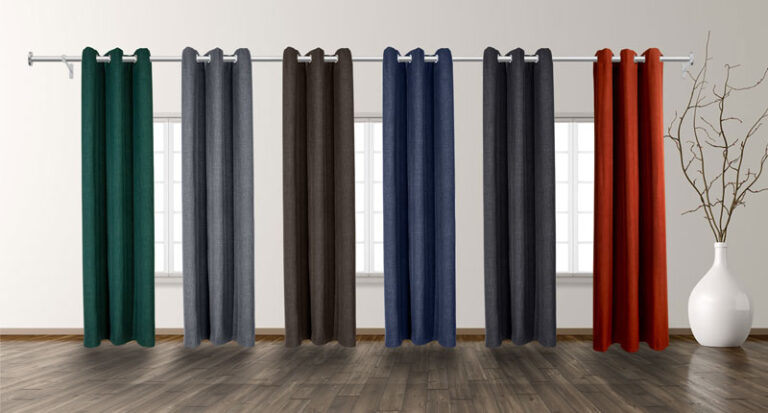
Introduction Understanding the fire risks associated with traditional flammable curtains and their impact on sleep quality is crucial. This exploration reveals why flame-retardant curtains are the best choice for ensuring home safety and comfort. Begoodtex flame-retardant curtains not only provide…