
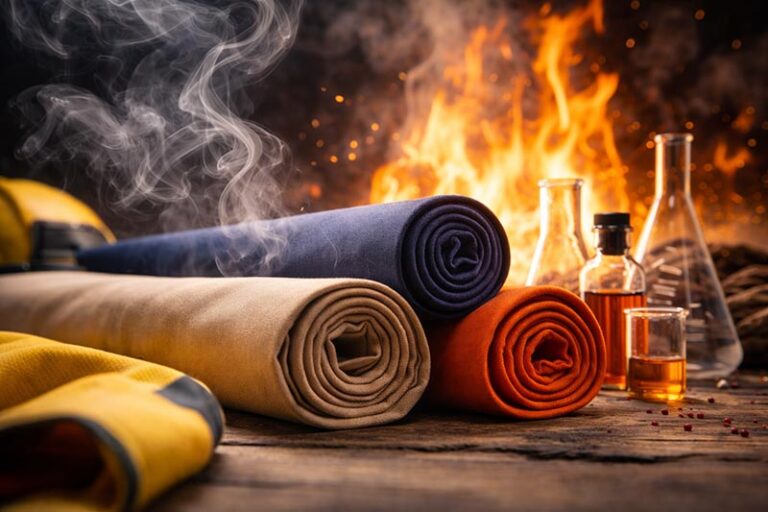
Is Fire Retardant Toxic?
This article examines FR safety, distinguishing halogens from non-toxic inherent fibers. It covers skin safety, smoke toxicity, durability, and NFPA 701 standards.
This article examines FR safety, distinguishing halogens from non-toxic inherent fibers. It covers skin safety, smoke toxicity, durability, and NFPA 701 standards.
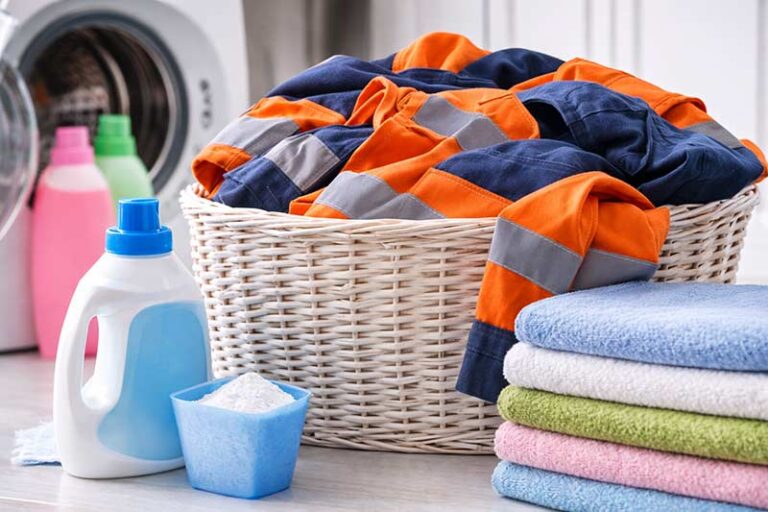
This technical guide explains FR garment maintenance, detergent selection, and the impact of industrial vs. home laundering on safety and durability.

This 2026 guide provides a deep dive into fire-retardant curtains, covering NFPA 701 benchmarks, IFR vs. FR material differences, and expert procurement strategies for commercial spaces.
Does Viscose burn easily? This deep dive reveals the truth about standard versus FR Viscose. We analyze the science of flame retardancy, compare it with Aramid and Modacrylic, and help you choose the right fabric for safety and comfort. Read on to master the facts!

One FR fabric offers permanent protection. The other can fail after just one wrong wash. Understanding the critical difference between Inherent FR (Aramid) and Treated FR (Cotton) is essential for safety.

Both are high-performance Aramids, but one stops fire while the other stops bullets. Why are their applications so different? We dive into the molecular structure to reveal the answer.

The core reason aramid (Aramid) does not burn lies in its unique “Inherent Flame Resistant” (IFR) property. This originates from the aromatic ring structure in its molecular backbone, which has extremely high bond energy. This rigid structure is exceptionally stable at high…

In high-risk fields such as firefighting, aerospace, military, and industrial manufacturing, the requirements for protective materials go far beyond “usable”—they must be “absolutely reliable” under extreme conditions. Traditional textiles are vulnerable to high temperatures and flames, and many primary flame-retardant…
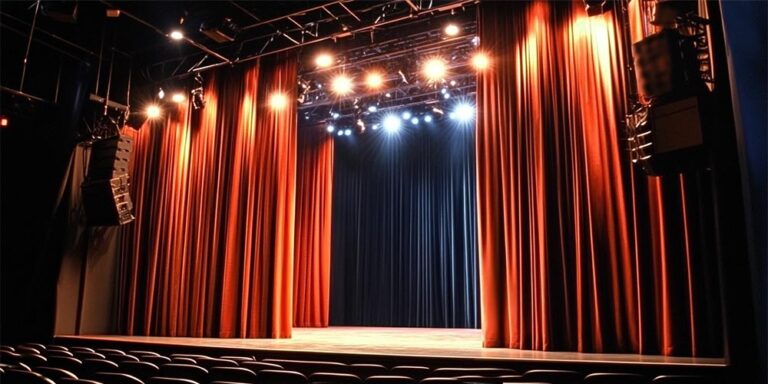
In any theater, concert hall, school auditorium, or public event space, the stage curtain is the audience’s focal point. It is not only a key element for dividing space and aiding artistic narrative but also the “canvas” that defines the…
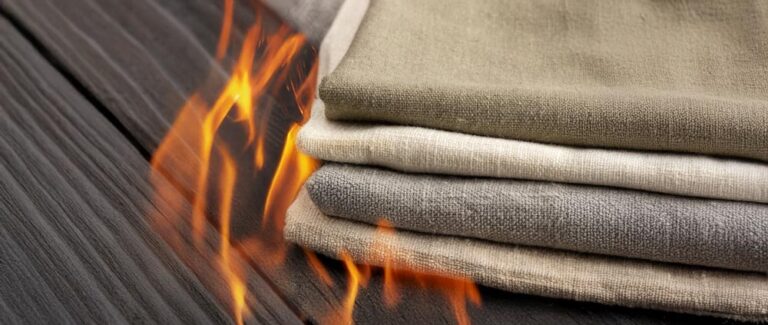
The Flammability of Linen Is Linen Flammable? Yes, linen is classified as a flammable textile. It is a natural plant fiber, and like other plant-derived fibers (such as cotton), it has a relatively low ignition point. Once linen comes into contact…

What is Fire-Retardant Fabric Prewashing, and Why is it Indispensable? Prewashing (Prewash) a fire-retardant (FR) fabric is a scientific washing process conducted before formal use or manufacturing. It is not merely for cleaning; it is crucial for stabilizing the fabric’s…

In our daily lives, cotton is everywhere—from soft T-shirts, comfortable bed sheets to absorbent towels. As a natural fiber, cotton is favored for its comfort and breathability. But when it comes to fire safety, a key question emerges: Is cotton…
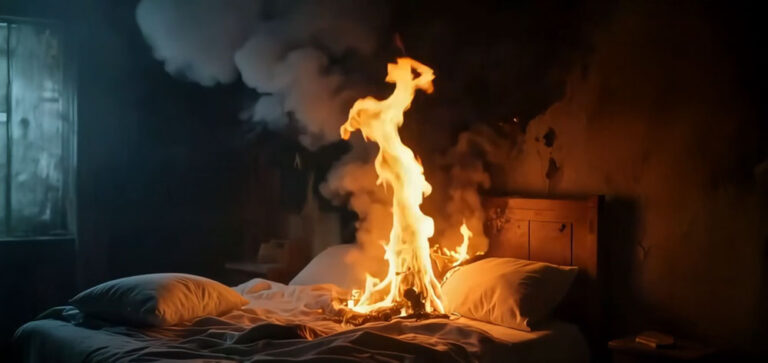
Home fires are a serious risk, and bedding ignites in nearly 20% of all incidents. That’s why fire retardant bed sheets aren’t just an upgrade—they’re a necessity. These innovative fabrics can slow flames by up to 70%, giving your family…
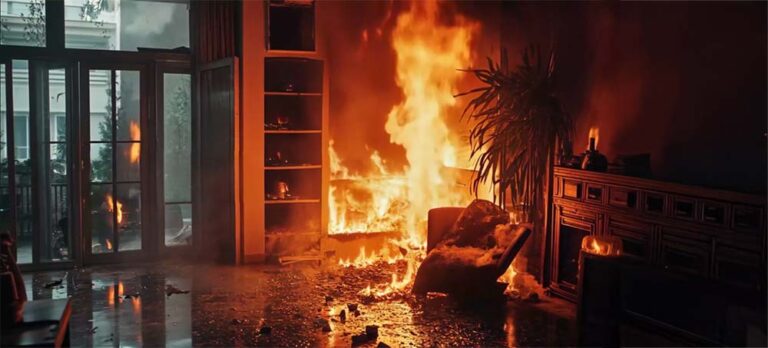
A home fire can ignite in minutes, but prevention is a daily practice. This essential guide details 10 actionable ways to prevent fire at home, covering everything from kitchen safety to electrical maintenance. Implement these practical steps to safeguard your family and property against common fire hazards.

Why Fabric Selection is More Important Than Design When manufacturing flame retardant (FR) protective clothing or FR sleepwear, fabric selection is often more critical than garment design. Even when labeled “flame retardant,” fabrics made from different materials, fibers, and processing…