Get in touch
Thank you for reaching out! Please tell us more about your needs — our expert team will get back to you within 24 hours.
Get in touch
Thank you for reaching out! Please tell us more about your needs — our expert team will get back to you within 24 hours.
In industrial environments like machining and welding shops, safety is not just a priority—it is a legal and operational necessity. Welding sparks, molten metal splatter, and high-heat equipment pose constant fire risks. To manage these hazards, facilities rely heavily on the Fiberglass Fire Blanket. These specialized fire blankets provide a critical shield for workers, expensive machinery, and structural assets.
This guide explores the technical specifications, industrial applications, and procurement standards for the Fiberglass Fire Blanket to help you make an informed safety investment.


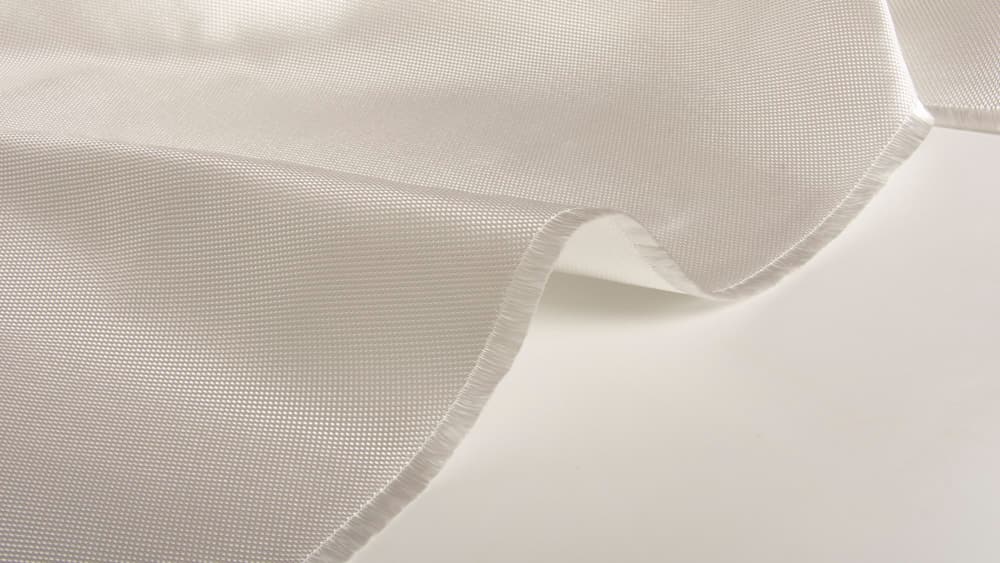
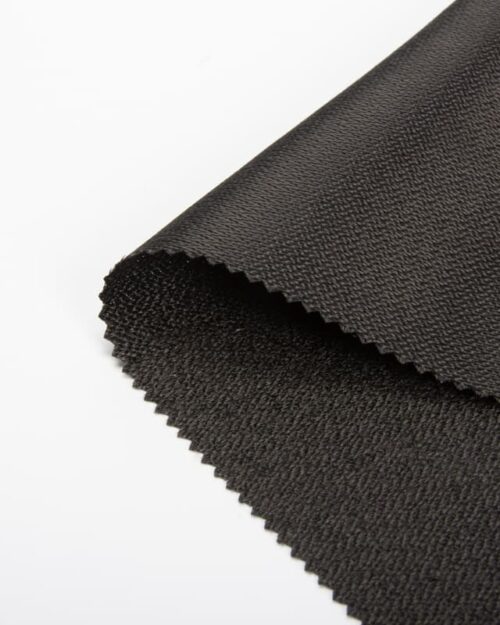
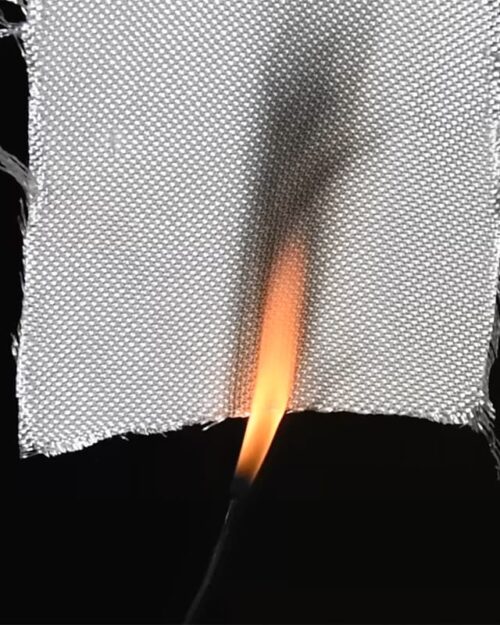
A Fiberglass Fire Blanket is a high-performance safety textile woven from fine glass fibers. Every Fire Blanket in this category is designed to withstand extreme thermal stress without burning or melting. Unlike standard fabrics, the Fiberglass Fire Blanket is inorganic, meaning it does not support combustion and maintains its structural integrity even when exposed to direct flames or molten metal.
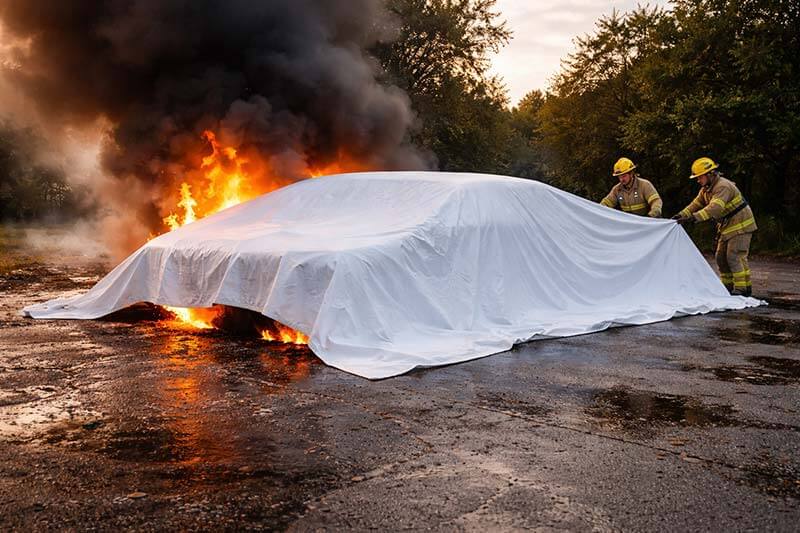
The core value of a Fiberglass Fire Blanket lies in its ability to act as a thermal barrier. In a workshop, a Fire Blanket is used to catch sparks (dross) from grinding or welding, preventing them from landing on flammable materials or sensitive electronics.
| Property | Standard E-Glass Fire Blanket | High-Silica Fire Blanket |
|---|---|---|
| Continuous Heat Resistance | 550 degrees C (1022 degrees F) | 1000 degrees C (1832 degrees F) |
| Melting Point | 840 degrees C (1544 degrees F) | 1600 degrees C (2912 degrees F) |
| Common Weight | 430 g/m2 to 1000 g/m2 | 600 g/m2 to 1200 g/m2 |
| Chemical Resistance | Resistant to most oils and acids | Excellent acid and alkali resistance |
Not every Fiberglass Fire Blanket is the same. Depending on your shop’s specific tasks—whether it is light grinding or heavy-duty plasma cutting—you will need a specific grade of Fire Blanket protection.
This is the most common industrial Fire Blanket. It is untreated and provides excellent basic protection for light-duty sparks. While cost-effective, this Fiberglass Fire Blanket can be “itchy” to handle because of the exposed glass fibers.
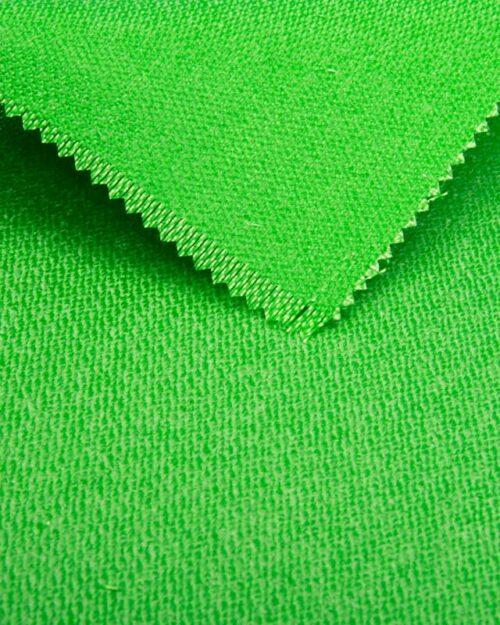
By adding a layer of silicone rubber to this Fiberglass Fire Blanket, it becomes oil-resistant, water-resistant, and much easier to handle. The coating on the Fire Blanket traps the glass fibers, preventing skin irritation for workers.
When working with molten metal flow, a standard Fire Blanket is not enough. This Fiberglass Fire Blanket contains over 96% silica, allowing it to remain flexible and functional at temperatures exceeding 1000 degrees C.
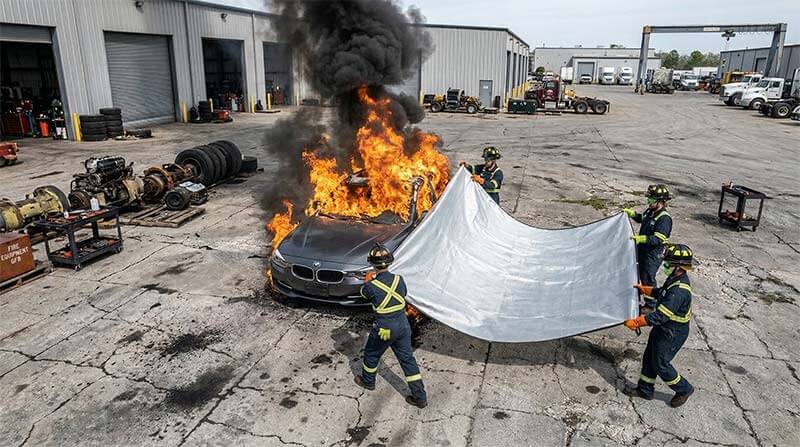
When sourcing a Fiberglass Fire Blanket for a professional shop, “fireproof” is a vague term. You must look for specific certifications to ensure your Fire Blanket meets legal compliance.
Pro Tip: In the United States and many international markets, the ANSI/FM 4950 is the most critical standard for any Fiberglass Fire Blanket used in welding.
The Fiberglass Fire Blanket is a versatile tool that goes beyond just “covering a fire.” Their applications are vital for daily shop maintenance.
Grinding produces hot sparks that travel far. Using a Fiberglass Fire Blanket as a mobile screen prevents these sparks from entering areas where painting or degreasing is occurring.
During high-amperage welding, molten slag can burn through thin materials. A heavyweight Fiberglass Fire Blanket (1000 g/m2 or more) is placed directly under the work area to protect the floor.
Machined parts often need to cool slowly. A Fiberglass Fire Blanket is used to wrap hot components, providing controlled thermal insulation that ensures the integrity of the metal.
In commercial kitchens, a Fiberglass Fire Blanket quickly smothers grease fires, ensuring safety and protecting equipment in high-heat areas.

Buying the wrong Fire Blanket leads to wasted money. Follow this 3-step framework when talking to your Fiberglass Fire Blanket supplier.
To simplify your selection process, BEGOODTEX offers specialized Fiberglass Fire Blanket series tailored to specific shop environments:
A Fiberglass Fire Blanket is an essential safety component for any machining or welding environment. Key takeaways include:
Untreated Fiberglass Fire Blankets can cause an “itch” due to tiny glass fibers. To prevent this, purchase a coated Fire Blanket (Silicone or Acrylic) which seals the fibers.
Yes, but you must inspect the Fire Blanket. If the fibers are brittle, charred, or have a hole, the Fiberglass Fire Blanket must be replaced immediately.
Under safety standards, a Fire Blanket is for horizontal use in light-duty welding, while a welding pad is a heavy-duty Fiberglass Fire Blanket designed for severe heat.
Most industrial Fiberglass Fire Blankets should be wiped down with a damp cloth. For a coated Fire Blanket, you can easily wipe off oil or grease.
The Fiberglass Fire Blanket is generally more cost-effective and has a higher resistance to molten metal “beading” compared to carbon fiber alternatives.