Get in touch
Thank you for reaching out! Please tell us more about your needs — our expert team will get back to you within 24 hours.
Get in touch
Thank you for reaching out! Please tell us more about your needs — our expert team will get back to you within 24 hours.
Flame retardant curtain fabrics are specially treated or made from specialized materials to delay combustion, prevent combustion, and self-extinguish when exposed to a flame, thereby improving indoor fire safety. They must not only comply with fire safety standards such as NFPA 701 and BS 5867, but also be aesthetically pleasing, durable, and versatile to meet the needs of commercial spaces.
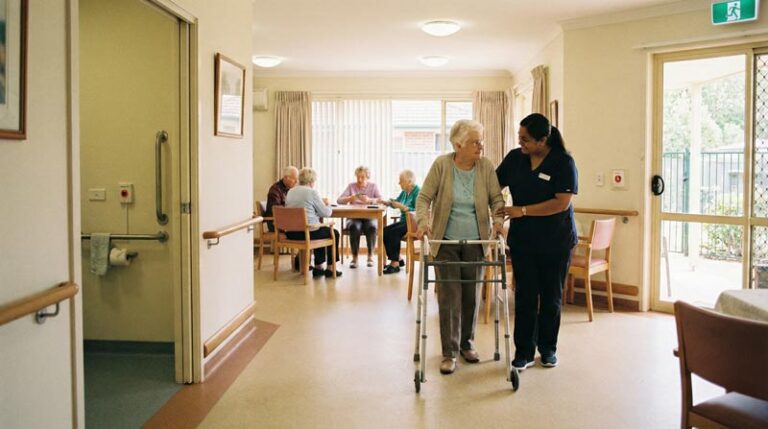
High-quality flame retardant curtains balance safety and practicality, making them suitable for demanding environments such as hotels, hospitals, and schools, providing safety while enhancing the comfort and image of the space.

Compliance is a primary consideration when selecting flame retardant curtain fabrics. Different countries and regions have their own fire safety standards. Common standards include:
| Standard | Requirement Content | Data or Requirement | Effect on Reducing Fire Risk |
| NFPA 701 | Vertical Burn Test | Flame Spread Rate: ≤1.5 m (5 ft); Heat Release: ≤1000 kW/m² | Controls flame spread, reduces fire expansion, provides more escape time for occupants. |
| Afterflame Time | Extinguishing Time After Burning: ≤15 seconds | Stops flames within a short time, effectively preventing fire spread. | |
| BS 5867 | Smoke Density | Smoke Density: ≤75 | Reduces toxic smoke concentration, improves visibility in escape routes. |
| Flame Spread Rate | Flame Spread Rate: ≤25 mm/min | Slows flame spread, reduces fire propagation range. | |
| EN 13773 | Afterglow Time | Afterglow Time: ≤2 seconds | Quickly extinguishes flames, prevents residual fire from causing further fires. |
| Overall Effect | Overall Performance | Flame retardant curtains reduce fire risk by ≥50% | Delays fire spread, reduces smoke and afterglow time, enhances safety. |
Meeting these stringent standards, compliant flame retardant curtains can significantly reduce the risk of fire. For example, curtains that meet NFPA 701 standards can provide a delay of at least 2 minutes in the early stages of a fire, helping evacuees avoid the fire area.
In addition, the low-smoke density design effectively reduces toxic smoke generation by 50%, providing clearer escape routes for personnel. You can check the test video from us:
The flame retardant properties of flame retardant curtain fabrics are generally derived from two technologies: inherently flame retardant fabrics and chemically treated fabrics.
The flame retardant properties of flame retardant curtain fabrics are primarily derived from two technologies: inherently flame retardant fabrics and chemically treated fabrics. They differ in their flame retardant mechanisms, durability, and cost.
Inherently flame retardant fabrics are made from flame resistant fibers or treated to resist fire. Their structure forms a protective layer that slows flame spread when exposed to fire.
Chemically treated flame retardant fabrics are coated with flame retardants like phosphorus-nitrogen or organochlorine compounds. These chemicals decompose at high temperatures, preventing flames from spreading.

High-quality flame retardant curtain fabrics should not only meet fire safety requirements but also be durable and aesthetically pleasing. The following are some key material properties:
Polyester: Polyester is highly abrasion-resistant, fade resistant, and soft to the touch, making it ideal for long-term use. Regarding fire resistance, polyester can be treated with an inherent flame retardant treatment to enhance its resistance to flames.
PTFE Coating Technology: Some high-quality flame retardant curtain fabrics utilize a polytetrafluoroethylene (PTFE) coating. This coating not only enhances flame retardancy but also provides stain resistance, making the curtains more resistant to stains and requiring less frequent cleaning.
BEGOODTEX Proprietary Technology: The flame retardant fiber technology used by BEGOODTEX ensures that every fiber is highly flame retardant. Using nano-coating technology, BEGOODTEX also enhances the curtains’ antibacterial, water-resistant, and UV-resistant properties, making them ideal for commercial environments.
Leveraging 17 years of R&D experience, BEGOODTEX offers high-quality curtain fabrics that meet certifications such as NFPA 701 and OEKO-TEX 100.
They meet the multifunctional needs of modern commercial spaces for flame retardancy, antibacterial properties, and water-resistance.
High-quality flame retardant curtains offer a wide range of colors, textures, patterns, weights, and widths to meet the needs of various commercial spaces.
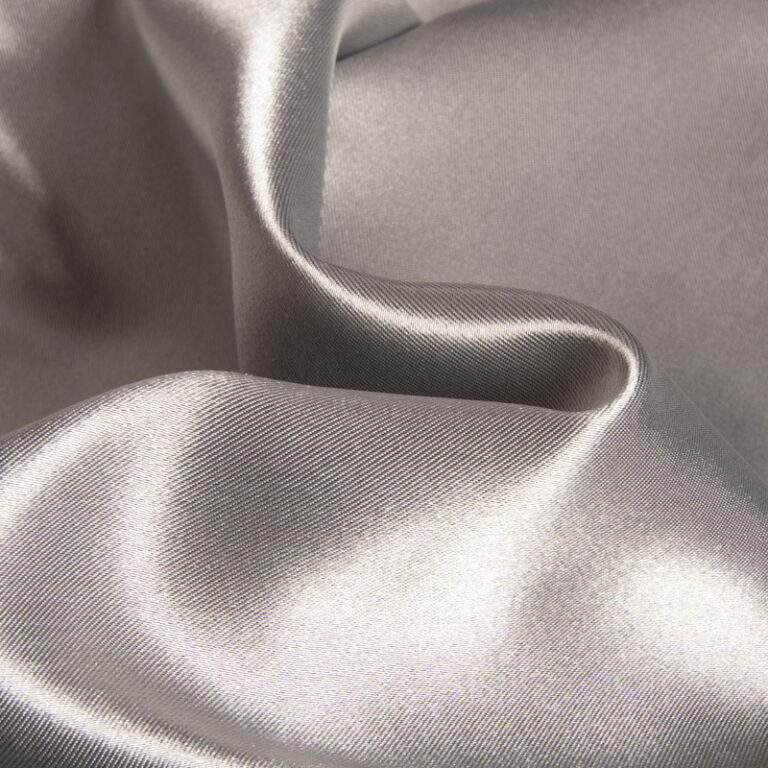
◆Color options: From soft neutrals (off-white, light gray) to darker tones (dark blue, black), they suit the visual impact of different spaces. Hotels and conference rooms can choose dark tones, while cafes and exhibition spaces are suitable for softer or customized colors.
◆Texture and feel: Smooth fabrics are suitable for modern offices, while rough textures add a warm feeling to spaces like restaurants.
◆Pattern designs: Simple geometric patterns, natural styles, or customized designs based on brands can meet the aesthetic needs of different spaces.
◆Weight: Lightweight options are suitable for breathability, medium weights are suitable for most commercial environments, and thicker options are suitable for sound and thermal insulation.
◆Width: Standard widths are suitable for regular windows, while wide widths are suitable for large windows, ensuring a uniform aesthetic.
Flame retardant curtains are made of durable materials such as polyester and nylon. They have passed 5,000 tensile tests and maintain their performance.
After 20 washes, the curtains retain over 90% of their color and flame retardant properties. A stain-resistant coating enhances cleanability, making them suitable for high-traffic areas such as hospitals and schools.
Flame retardant curtains not only provide fire protection but also offer additional practical features:

When choosing high-quality flame retardant curtains, ensure they meet fire safety standards like NFPA 701, BS 5867, and EN 13773.
There are two types of flame retardant fabrics: inherently flame retardant and chemically treated. Inherently flame retardant fabrics are durable and long-lasting, while chemically treated fabrics lose effectiveness over time.
For durability, choose polyester or nylon, which can withstand 5,000 stretches and frequent washing. Antimicrobial and water-repellent coatings are ideal for high-traffic areas.
For soundproofing and light-blocking, multi-layered or thicker curtains block 30-40 decibels of noise and over 95% of sunlight.
UV protection reduces damage to indoor furniture, with blocking rates from 80% to 99%.
Choose trusted brands like BEGOODTEX, which meet fire and environmental certifications like OEKO-TEX 100 and use nano-coating technology to enhance flame retardancy and other protective properties.

As a leading global supplier of flame retardant fabrics, BEGOODTEX, with its own yarn, weaving, and finishing plants, is able to fully control quality from fiber to finished product, ensuring the high quality and compliance of every batch of curtains.
BEGOODTEX also offers customized curtain services shopping, allowing clients to select fabric, size, color, and pattern based on their needs. Production takes 15 to 20 working days, and urgent orders can be delivered within 7 to 10 working days. All customized products comply with international fire standards such as NFPA 701 and BS 5867, ensuring high quality and compliance.
Flame retardant curtains improve safety by reducing the risk of fire spread. They also enhance the aesthetic appeal of commercial spaces while offering practical functions like light control, privacy, and soundproofing.
Yes, while commonly used in commercial environments, flame retardant curtains can also be beneficial in homes, especially in high-risk areas like kitchens or near fireplaces.
Yes, while commonly used in commercial environments, flame retardant curtains can also be beneficial in homes, especially in high-risk areas like kitchens or near fireplaces.
Some flame retardant curtains provide thermal insulation, helping to maintain room temperature and reduce heating or cooling costs by blocking out heat or cold.