Get in touch
Thank you for reaching out! Please tell us more about your needs — our expert team will get back to you within 24 hours.
Get in touch
Thank you for reaching out! Please tell us more about your needs — our expert team will get back to you within 24 hours.
The safety of temporary tents is a critical concern for event organizers, military commanders, and emergency relief agencies. Selecting the right flame retardant tents involves more than just choosing a fabric; it requires a deep understanding of textile science, international safety codes, and environmental durability.
This article explains the technical requirements and application-specific needs for tents in various sectors, from commercial exhibitions to field hospitals. We explore how Inherently Flame Retardant (IFR) technology provides a permanent safety solution that balances high-performance physical properties.
Most professional tent users deal with the same frustrating problems: fabrics that rip in the wind, roofs that leak, and materials that get brittle from the sun. While these physical issues can ruin your investment, the most easily overlooked and dangerous risk is fire safety. Because a tent is made of a massive surface area of textile fabric, any fire incident can turn a large structure into a catastrophic hazard in seconds.
Many fabrics use a cheap fire-proof spray that washes away in the rain or wears off, leaving you with a huge expanse of flammable material that can melt into dangerous, hot drops during a fire. Real safety requires a material that stays fireproof for its entire life, regardless of weather or wear.
NFPA 701 and CPAI-84 represent the global benchmarks for tent flammability, defining how a material reacts to direct flame contact and heat.
NFPA 701 Method 2 is primarily used for large architectural structures and event drapes, focusing on high-intensity flame exposure for 2 minutes.
CPAI-84 is a specific standard for recreational and commercial tent materials, including distinct requirements for walls, roofs, and floors. Compliance with these standards ensures that the fabric will not produce flaming debris or permit rapid charring, which are the leading causes of structural collapse and secondary ignitions during a fire event.
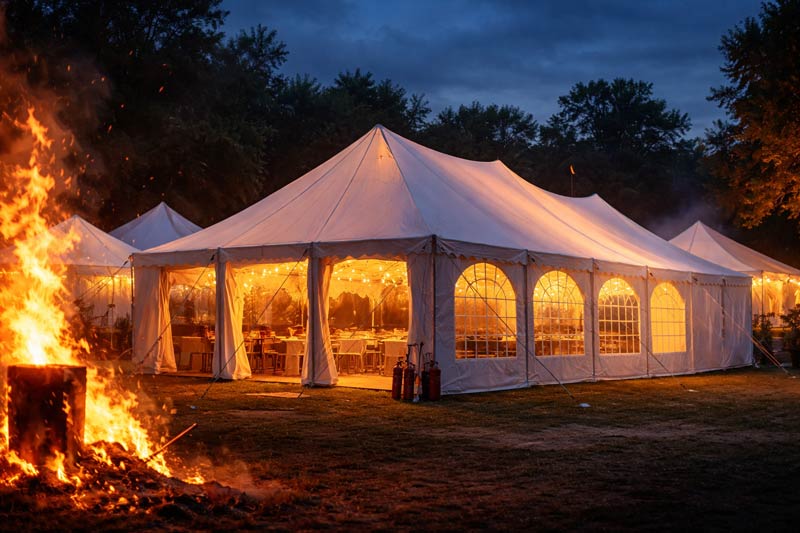
Unlike general flammability tests, CPAI-84 includes mandatory “weathering” and “leaching” cycles before testing to ensure the flame retardant properties are durable enough for outdoor deployment.
Table 1: Comparison of Major Flammability Standards
| Parameter | NFPA 701 Method 2 | CPAI-84 (Walls/Roof) |
|---|---|---|
| Flame Application Time | 120 seconds | 12 seconds |
| Sample Size | 125mm x 1200mm | 70mm x 300mm |
| Afterflame Allowance | < 2.0 seconds | < 2.0 seconds (Average) |
| Environmental Pre-test | Optional | Mandatory Water Leaching & Weathering |
In high-density public environments such as trade shows and exhibition halls, smoke density and toxicity are more critical for survival than the flame spread rate. Modern commercial tents must utilize low-smoke, halogen-free materials to ensure that, in the event of a fire, visibility remains high enough for occupants to find emergency exits. Inherently Flame Retardant (IFR) polyester fabrics are the preferred choice because they do not rely on bromine or chlorine-based additives, which produce corrosive and toxic hydrochloric or hydrobromic acid gases when heated. These advanced textiles maintain a Class A fire rating while significantly lowering the Specific Optical Density (Ds) of the smoke produced.
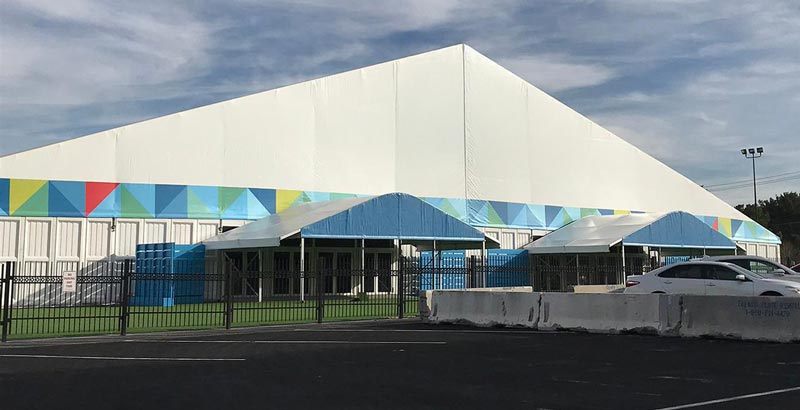
Table 2: Smoke and Toxicity Performance Targets
| Property | Standard Reference | High-Performance IFR Value |
|---|---|---|
| Smoke Density (Ds Max) | ASTM E662 | < 150 |
| Flame Spread Index | ASTM E84 (Class A) | < 25 |
| Drip Flaming | NFPA 701 | 0 seconds |
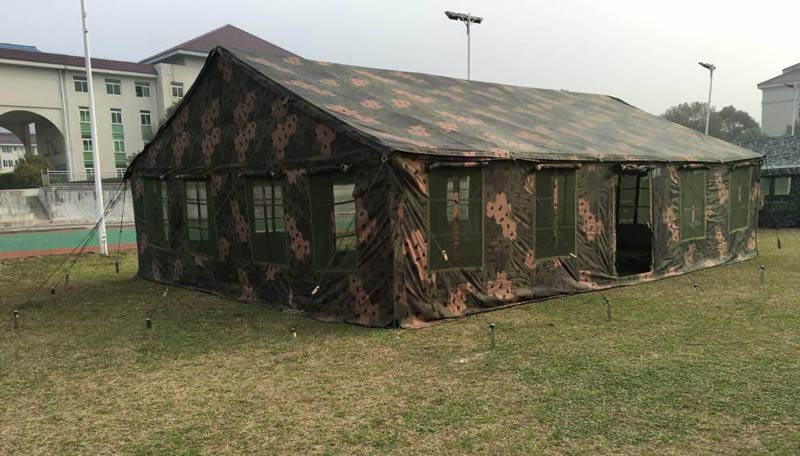
Military operational environments demand tents that can withstand extreme mechanical stress without sacrificing fire safety. Tactical tents and mobile command centers are often constructed from heavy-duty 600D to 1200D high-tenacity polyester that has been molecularly modified for flame resistance. The primary technical challenge is ensuring that the flame retardant monomers do not interfere with the polymer orientation, which would reduce the fabric’s tensile and tear strength. Advanced IFR military fabrics maintain a tear resistance of over 150N, ensuring that the structure remains intact even when punctured or subjected to high-velocity winds in combat zones.
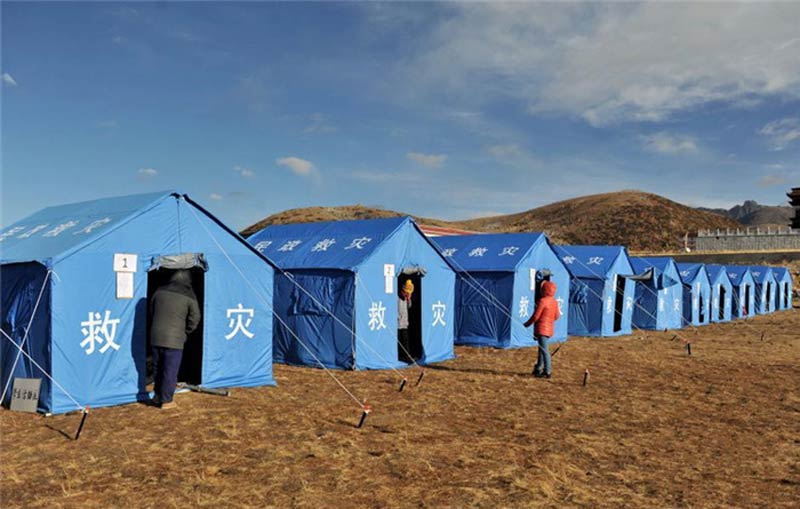
Disaster relief camps often house thousands of people in high-density configurations where a single small fire from a cooking stove can lead to a catastrophic fire chain. Tents used in these scenarios must act as fire-breaks, meaning the fabric must be self-extinguishing immediately upon the removal of the heat source. Organizations like the UNHCR mandate that relief tents pass stringent flammability tests that include resistance to “wicking,” where fire travels along the surface of the tent fabric. By using IFR materials, relief agencies ensure that safety performance remains consistent even after months of exposure to harsh tropical UV and monsoon rains.
In mobile hospitals and quarantine facilities, tent fabrics must provide a sterile, fire-safe environment for patient care. These medical tents utilize specialized composite fabrics that integrate IFR technology with antimicrobial finishes (such as silver ions) to prevent the growth of bacteria and viruses on the fabric surface. Standard testing protocols like ISO 20743 for antibacterial activity must be satisfied concurrently with NFPA 701 for fire safety. This dual-functionality ensures that the medical structure is resistant to fire hazards while actively reducing the risk of cross-contamination in infectious disease wards or temporary laboratories.
Table 3: Dual-Function Requirements for Medical Tents
| Performance Category | Test Standard | Required Outcome |
|---|---|---|
| Fire Performance | NFPA 701 / DIN 4102 B1 | Self-extinguishes; no flaming drips |
| Antibacterial Activity | ISO 20743 | > 99.9% reduction in bacteria |
| Water Resistance | ISO 811 | > 3000mm Hydrostatic Head |
High-end glamping tents and permanent eco-resort structures require materials that offer long-term durability and aesthetic appeal alongside strict safety compliance. Because these structures are exposed to the elements 24/7, the technical synergy between waterproofing, UV protection, and flame retardancy is essential but notoriously difficult to achieve. Standard water repellents are often flammable, and UV radiation can degrade fire-retardant coatings within months. However, advanced engineering creates composite fabrics using UV-stabilized IFR fibers and specialized flame-retardant PU coatings. This allows the fabric to achieve a high hydrostatic head of over 5000mm and excellent color fastness while passing stringent vertical burn tests.
The synergy between IFR technology and UV protection is vital for semi-permanent glamping structures. UV rays normally break down the polymer chains in standard polyester, making it brittle and more susceptible to ignition. Begoodtex uses IFR yarns with built-in UV inhibitors that provide a Blue Scale rating of 6-7. This ensures the tent maintains its fire rating and high tensile strength for 5-10 years of continuous outdoor exposure, preventing the common “brittle failure” seen in lower-grade temporary materials.
Table 4: Performance Matrix for Glamping Composite Fabrics
| Feature | Standard Method | Requirement |
|---|---|---|
| Waterproof Rating | ISO 811 | > 5000 mm (Hydrostatic Head) |
| Fire Safety | DIN 4102 B1 / NFPA 701 | Self-extinguishing; no flaming drips |
| UV Fastness | ISO 105-B02 | Grade 6-7 (Blue Scale) |
| Color Retention | AATCC 16.3 | Min. 40 AFU (4.0 Grade) |
Industrial tents used for warehousing and construction sheds are often subject to harsh chemicals, welding sparks, and heavy mechanical abrasion. These structures require high-weight PVC-coated polyester fabrics (typically 650gsm to 900gsm) that are treated to be flame retardant according to industrial safety codes. The fabric must resist tearing and puncturing from heavy machinery while providing a fire-safe environment for stored goods. In many jurisdictions, industrial storage tents must comply with the same fire safety codes as permanent buildings to ensure workplace safety and lower insurance premiums.
Table 5: Industrial Grade Tent Fabric Specifications
| Specification | Requirement | Standard Method |
|---|---|---|
| Fabric Weight | 750 gsm – 900 gsm | ISO 3801 |
| Fire Class | DIN 4102 B1 | Vertical Burn |
| Abrasion Resistance | > 50,000 cycles | Martindale (ISO 12947) |
Tents used for voting stations, security checkpoints, and public gatherings are subject to high regulatory scrutiny. Fire marshals often require certification that is no more than one year old to ensure the material has not degraded. For these applications, the use of IFR materials provides peace of mind, as the certification remains valid for the life of the fabric. Furthermore, these tents must often meet additional local codes regarding clear spans and emergency exits, which implies the fabric must be strong enough to support the tension required for large, open-plan structural designs.
Ensuring the safety of flame retardant tents requires a comprehensive approach that integrates textile engineering, rigorous testing standards, and a deep understanding of the end-use environment. From the strict low-smoke requirements of commercial exhibitions to the extreme durability needed for military and industrial applications, the choice of fabric is the most critical safety decision. Inherently Flame Retardant (IFR) textiles represent the gold standard in the industry, offering permanent protection that does not degrade with time, weather, or washing. By prioritizing materials that meet global standards like NFPA 701 and CPAI-84, and by combining flame retardancy with other functions like waterproofing and antimicrobial protection, manufacturers can provide temporary structures that are as safe and reliable as permanent buildings.
If the tent is made from Inherently Flame Retardant (IFR) yarn, the protection is permanent and will not wash off. However, topically treated fabrics can lose their efficacy over time due to leaching, requiring periodic re-treatment.
No. Most consumer waterproof sprays are flammable and can create a “wick” for fire to spread, nullifying the flame retardant properties. Only use certified FR-compatible waterproofing agents.
Request a laboratory test report from a certified third-party agency (like SGS or Intertek) and check for a permanent tracking label on the tent indicating compliance with NFPA 701 Method 2.
In a fire, melting plastic or fabric can drip onto occupants, causing severe burns and starting secondary fires. Standards like CPAI-84 strictly limit or prohibit flaming drips for this reason.
Modern IFR fabrics are increasingly halogen-free and Oeko-Tex certified, meaning they do not release toxic heavy metals. Choosing IFR also prevents chemical runoff into the soil during rain.