Get in touch
Thank you for reaching out! Please tell us more about your needs — our expert team will get back to you within 24 hours.
Get in touch
Thank you for reaching out! Please tell us more about your needs — our expert team will get back to you within 24 hours.
Flame retardant knitted fabrics are specially designed to enhance the fire resistance of materials. These fabrics effectively slow down the spread of flames, protecting users from fire-related harm. They are widely used in high-risk scenarios, such as protective clothing, vehicle interiors, hotel and household products, and more.
This article will introduce the complete process from raw material selection, manufacturing techniques to fabric testing, and how to choose the appropriate flame retardant knitted fabric based on different needs.
Common flame retardant fibers include flame retardant polyester, as well as cotton and nylon treated with flame retardants. Flame retardant polyester fibers are widely used in industrial fields and protective clothing due to their high-temperature and burn-resistant properties. For applications requiring higher comfort, BEGOODTEX also uses cotton/nylon blended fibers to ensure the fabric feels soft and comfortable.
BEGOODTEX uses a variety of knitting structures, including single-face, double-face, and ribbing, to meet different customer needs. Single-face knitted fabrics are suitable for creating breathable and soft materials, while double-face or ribbed structures are more suited for high-strength protective requirements.

In this process, BEGOODTEX selects durable flame retardant finishing or one-time flame retardant finishing according to customer needs. Durable flame retardant finishes mechanism ensures the fabric retains excellent fire resistance after prolonged use, making it suitable for industrial workwear and other long-wearing applications.
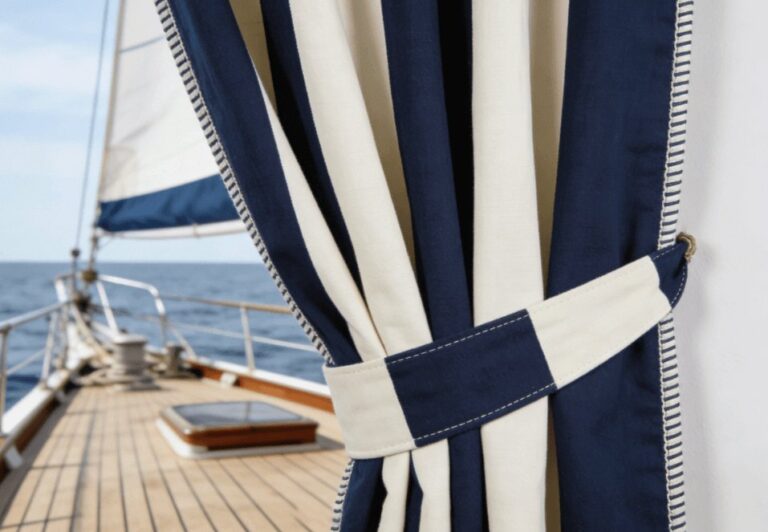
On the other hand, one-time flame retardant finishes are more suitable for products with less frequent use, such as hotel curtains. BEGOODTEX also offers multifunctional treatments such as water resistance, oil resistance, anti-static, and antibacterial properties, further enhancing the fabric’s protective capabilities.
Common standards include NFPA 701, EN ISO 11612, and BS 5867, which mainly test the fabric’s flame retardancy and fire resistance.
Key indicators in testing include Limiting Oxygen Index (LOI), vertical burn test (including after-flame time, char length, after-glow time), and wash durability testing. Here are the details of these technical indicators:
You can check our flame retardant test from video below:
The LOI value is an important parameter for measuring the flame retardancy of a material. It represents the minimum oxygen concentration required for the fabric to sustain combustion in an air environment with 21% oxygen. A higher LOI value indicates that the fabric is more difficult to ignite.
BEGOODTEX’s flame retardant knitted fabrics, after several third-party tests, achieve an LOI value of 30, far higher than the typical LOI range of 20-25 for most flame retardant fabrics. This data indicates that BEGOODTEX’s fabrics have strong fire resistance, effectively suppressing flame spread.
In the vertical burn test, fabric samples are exposed to flames to test their burning behavior. The main test indicators include after-flame time, after-glow time, burning grade, thermal conductivity, and char length.
BEGOODTEX’s flame retardant fabrics have a zero after-flame time in the vertical burn test, meeting the stringent NFPA 701 standard requirements. Additionally, the char length is controlled within 50mm, demonstrating that the fabric extinguishes quickly upon exposure to fire, significantly reducing the risk of fire spread.
After-glow time refers to the continued heat emission after the fabric stops burning. BEGOODTEX’s fabrics all have an after-glow time of under 1 second, indicating that they do not continue burning or overheating after the flame source is removed, further ensuring safety during use.
Case Study: For example, BEGOODTEX’s mesh fabric passed the NFPA 701 test, exhibiting excellent flame retardant properties. Please check the certification below:
Different markets (such as the USA, EU, UK, Japan, etc.) have varying standards for flame retardant fabrics.
Buyers must be aware of these regulations to ensure smooth importation and avoid returns or rejections due to non-compliance. Fabrics from BEGOODTEX comply with international standards like NFPA 701, EN ISO 11612, BS 5867, and meet global market certification needs.
You can choose flame retardant knitted fabrics that undergo strict durability. BEGOODTEX’s flame retardant knitted fabrics maintain more than 90% of their flame retardant effect after 50 washes, far exceeding the industry standard of 50%. This can make them suitable for use in industrial workwear and other environments requiring long-term wear.

The performance of flame retardant knitted fabrics depends on both the fiber composition and the knitting structure. Flame retardant polyester provides excellent high-temperature and burn resistance for high-temperature environments.
Single-face knitting is suitable for lightweight and breathable fabrics. Double-face knitting offers stronger durability. Ribbed knitting enhances elasticity and comfort. Mesh structures combine breathability with flame retardancy to meet various application needs.
With the diversity of usage environments, multifunctional treatments like water resistance, oil resistance, and anti-static properties have become important added values for flame retardant fabrics. These treatments can be selected based on specific needs, such as:
The fabric weight and width need to be chosen based on the actual application scenario:
BEGOODTEX’s flame retardant fabrics are available in different weights and widths according to customer needs.
Choose fabrics with a colorfastness rating of ≥4 to ensure the fabric does not fade during use. BEGOODTEX fabrics meet the colorfastness standards and are free from visible defects.
BEGOODTEX has strong production and flexible delivery capabilities, able to meet large order demands. The standard order delivery cycle is 4-6 weeks, while urgent orders can be shortened to 2-3 weeks. We offer flexible minimum order quantities (MOQ), with small orders starting at 500 meters and bulk orders supporting 100,000 meters per batch.
Additionally, our sample testing cycle is 3-5 days to ensure quick sample confirmation, and we offer global logistics delivery to ensure timely delivery. In terms of after-sales service, BEGOODTEX provides free quality checks and technical support within 3 months, ensuring customer peace of mind.
Procurement Checklist
| Item | Key Reason | Core Requirements |
| Regulations & Certification | Compliance with market regulations | Provide relevant market certifications (NFPA 701, EN ISO 11612, etc.) |
| Flame Retardancy & Durability | Ensure long-term safety | Third-party test reports verifying performance after 50 washes |
| Composition & Structure | Determines comfort and protection | Specify fiber ratio, weight, width, knitting method |
| Additional Features | Address multiple risks | Functional testing for anti-static, waterproof, oil-proof |
| Appearance Quality | Maintain image | Colorfastness ≥ 4, no visible defects |
| Delivery Capability | Ensure stable supply | Clarify MOQ, delivery time, sample testing cycle |
| Testing & Traceability | Ensure data authenticity | Recent third-party reports + raw material traceability proof |
In conclusion, the manufacturing and testing of flame retardant knitted fabrics are key to ensuring stable performance. When purchasing, it is essential to balance flame retardancy and comfort and choose fabrics that meet safety standards.
As an industry-leading flame retardant fabric supplier, BEGOODTEX, with its strong R&D capabilities and international service, can provide customers with safe and reliable products and comprehensive procurement solutions, helping them meet safety requirements while ensuring high cost-effectiveness.
A: Flame-retardant knitted fabrics are specially treated or made from fibers designed to resist ignition and slow down the spread of flames. These fabrics either use flame-retardant fibers or undergo chemical treatments to enhance their fire-resistant properties. Unlike regular fabrics, which can burn quickly, flame-retardant fabrics offer a higher level of protection in high-risk environments.
A: Yes, many flame-retardant knitted fabrics are designed to maintain their fire resistance even after multiple washes. However, it’s important to check the fabric’s wash durability and care instructions. Fabrics with durable flame retardant finishes will retain their protective properties much longer than those with one-time finishes.
Meta Keywords: flame retardant knitted fabrics, flame retardant fabrics, fire resistant fabrics, NFPA 701
Meta Title: How to Make, Test, and Choose Flame-Retardant Knitted Fabrics
Meta Description: Learn how flame-retardant knitted fabrics are made, tested, and selected for safety and durability in applications like protective clothing and vehicle interiors.