Fireproof Fiberglass: The Heavy-Duty Shield for Extreme Heat
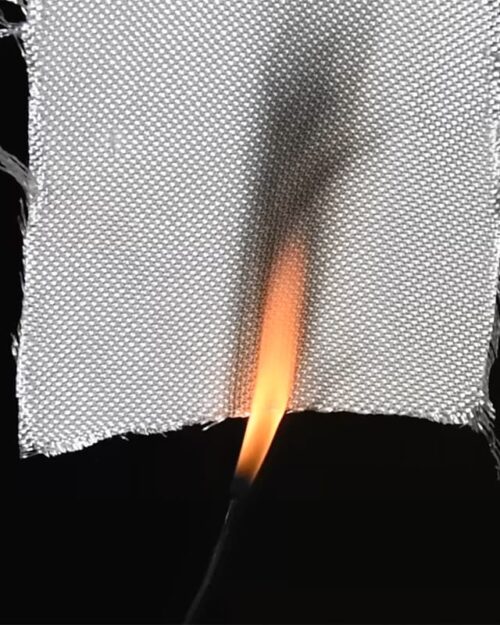
When the heat becomes too intense for organic fibers, Fireproof Fiberglass is the ultimate solution. Woven from inorganic glass filaments (typically E-Glass or C-Glass), these fabrics are inherently
non-combustible. They do not burn, smoke, or rot.
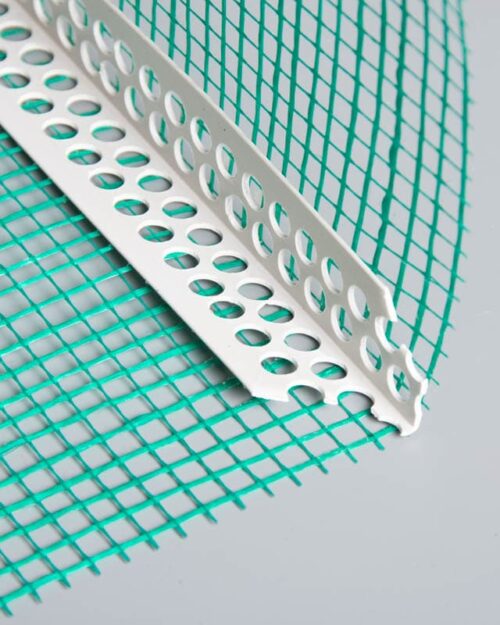
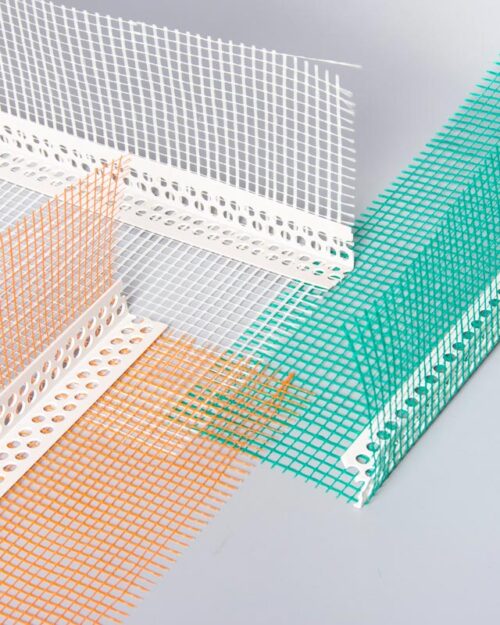
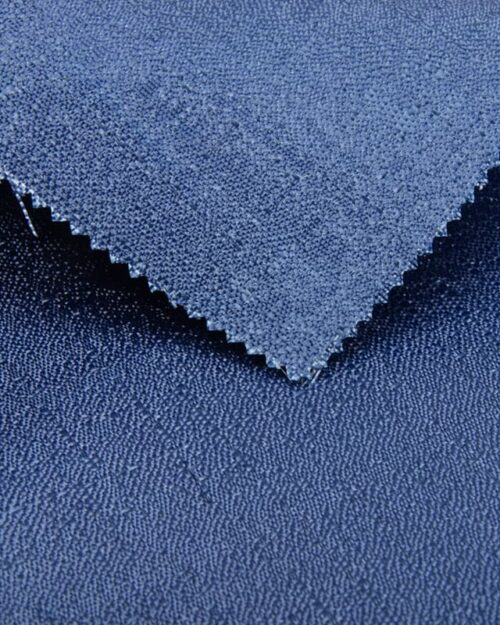
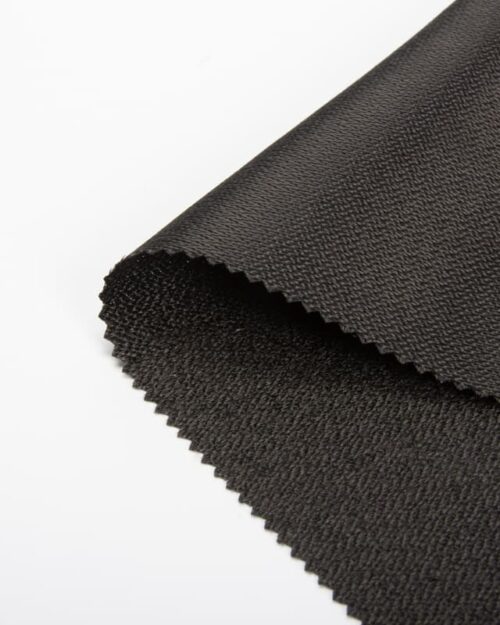
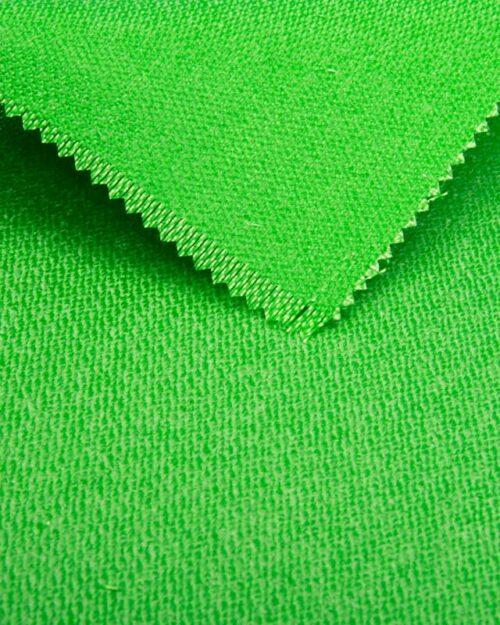
Our fiberglass collection ranges from economical raw cloth to high-performance coated versions (Silicone, PU, Vermiculite, or Acrylic). These coatings are applied to lock the weave, reduce surface irritation ("itchiness"), and add resistance to oil, water, and abrasion. It is the most cost-effective material for large-scale fire barriers and thermal insulation systems.
Key Features
- Extreme Temperature Resistance: Withstands continuous heat of 550°C (1000°F). Specialty High-Silica versions can handle up to 1000°C+ (1800°F+).
- Non-Combustible (Class A1): Rated as a non-combustible material under Euroclass A1. It physically cannot catch fire in normal atmospheric conditions.
- High Tensile Strength: Offers superior mechanical strength and dimensional stability, making it ideal for large hanging curtains and structural reinforcement.
- Versatile Coatings: Available with various coatings (Silicone for flexibility, Vermiculite for spark resistance) to suit specific industrial needs.
International Standards Compliance
Our Fiberglass fabrics are tested to meet global standards for construction and industrial safety:
- EN 13501-1: Fire classification of construction products (Class A1 - Non-combustible).
- BS 476 Part 4/6/7: Fire tests on building materials and structures.
- EN ISO 11611: Protective clothing for use in welding (Class 1 & 2 applicable for coated blankets).
- UL 181: Standard for Factory-Made Air Ducts and Air Connectors (relevant for HVAC insulation).
Applications
| Sector |
Typical Use Cases |
Why Fiberglass? |
| Construction |
Smoke Curtains, Fire Barriers |
Incombustible nature prevents fire spread; high strength for large spans. |
| Welding Safety |
Heavy Duty Welding Blankets |
Vermiculite-coated fiberglass withstands direct heavy sparks and slag. |
| Industrial Insulation |
Removable Valve Jackets, Lagging |
Excellent thermal insulation keeps heat in pipes and protects personnel. |
| Shipbuilding |
Hull Insulation, Fire Doors |
Meets strict marine fire codes (IMO) and resists corrosion. |
Frequently Asked Questions (FAQ)
Q: Does fiberglass fabric itch?
A: Raw fiberglass can cause skin irritation. However, most of our finished products come with coatings (like Silicone or PU) which encapsulate the fibers, significantly reducing irritation and making them safer to handle.
Q: What is the difference between E-Glass and High Silica?
A: Standard E-Glass withstands temperatures up to 550°C. High Silica fabric is treated to remove impurities, allowing it to withstand extreme temperatures up to 1000°C+, used for the most severe molten metal protection.
Q: Can I use this for clothing?
A: Generally, no. Fiberglass is rigid and not breathable. For body protection (clothing), please refer to our Oxidized PAN, Aramid, or FR Cotton sections. Fiberglass is best for equipment protection and static barriers.