Get in touch
Thank you for reaching out! Please tell us more about your needs — our expert team will get back to you within 24 hours.
Get in touch
Thank you for reaching out! Please tell us more about your needs — our expert team will get back to you within 24 hours.
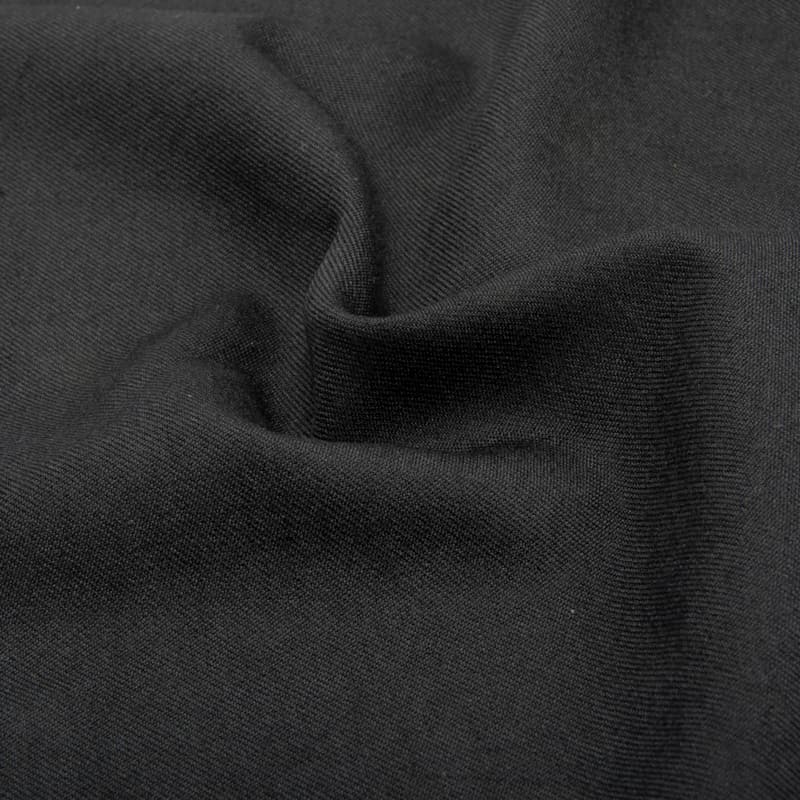
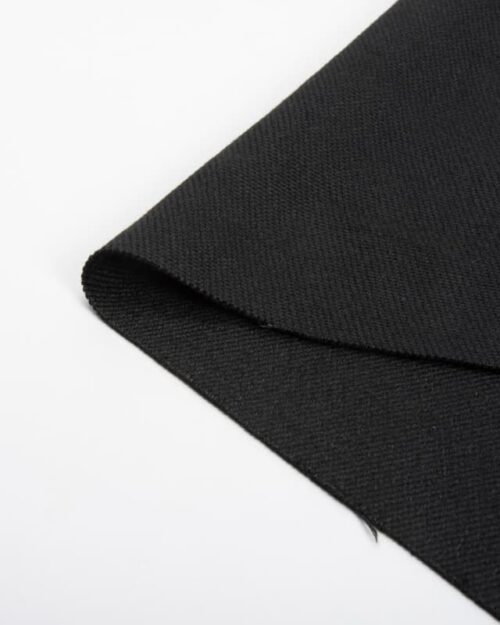
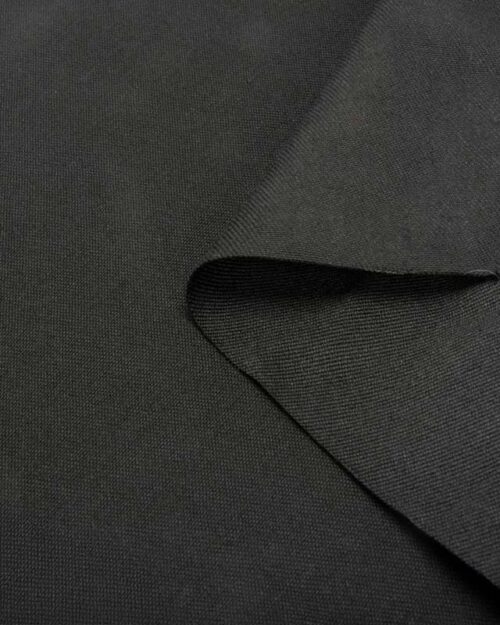
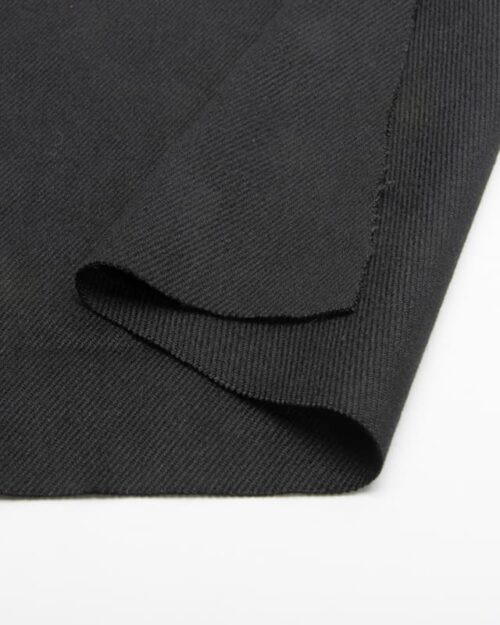
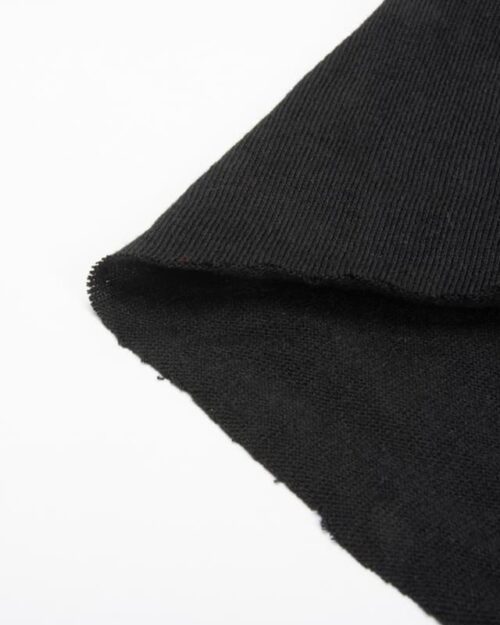
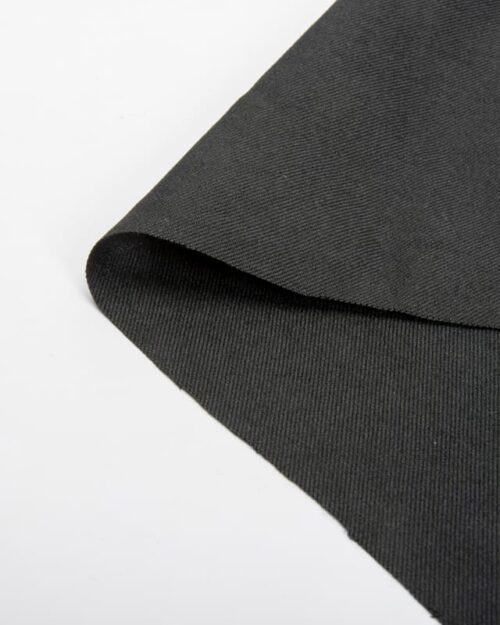
If you work in firefighting, aerospace, or the rapidly growing EV battery sector, you have likely encountered a black, soft, and incredibly heat-resistant material known as Oxidized PAN Fabric. Often called OPF or Pre-ox, this material has become the backbone of modern thermal protection in 2026.
In this guide, we will break down exactly what Oxidized PAN is, how it differs from carbon fiber, and why it is often the first choice for extreme heat environments where other fabrics fail.

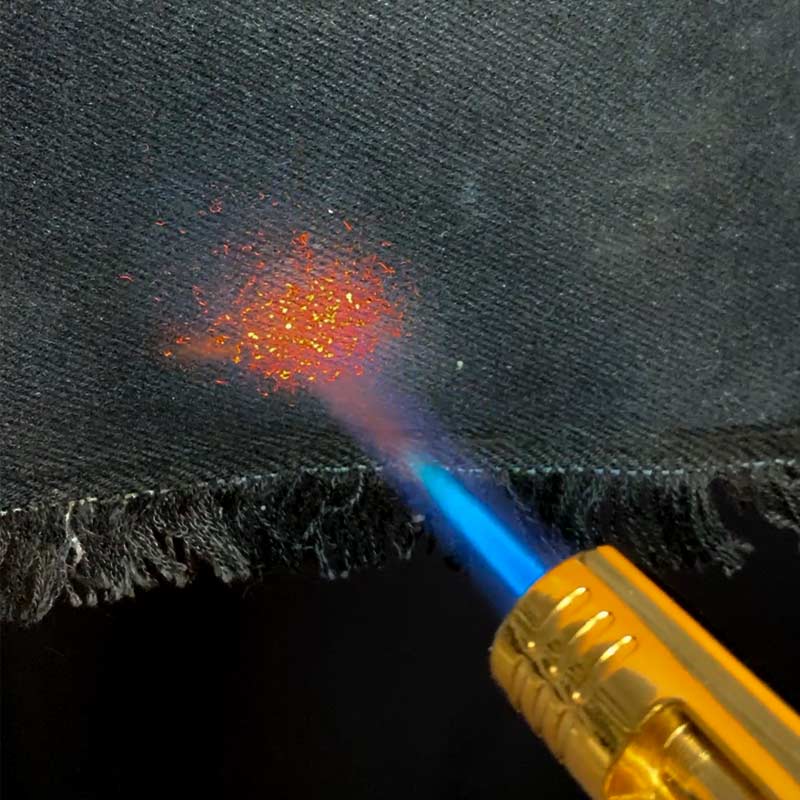
Oxidized PAN (Polyacrylonitrile) is a high-performance synthetic fiber that has undergone a thermal stabilization process. Unlike standard textiles, it does not burn, melt, or drip when exposed to direct flames. Instead, it maintains its structural integrity, acting as a superior thermal barrier.
Oxidized PAN is essentially the “precursor” to carbon fiber. It has been oxidized but not yet carbonized, giving it a unique balance of extreme fire resistance and textile-like flexibility.
No. While they share the same DNA, they are different stages of the same process. Carbon fiber is heated to over 1000 degrees C in an oxygen-free environment to reach 90% plus carbon content. Oxidized PAN is only heated to 200–300 degrees C in air. This leaves it with roughly 60% carbon, making it much softer and a better insulator than finished carbon fiber.
The transition from a simple plastic-like fiber to a fireproof powerhouse happens through a precise chemical change.
It starts with Polyacrylonitrile (PAN) precursor. These are white, synthetic fibers similar to the acrylic used in clothing, but manufactured with much higher purity and consistency for industrial use.
The raw white fiber is passed through massive ovens at temperatures between 200 degrees C and 300 degrees C. During this “baking” process, oxygen molecules from the air react with the fiber.
The most important part of this process is the molecular change. The linear molecules of the PAN fiber transform into a ladder-like cyclic structure. This new structure is what makes the fiber non-flammable. Once this ladder is formed, the fiber turns from white to golden brown, and finally to a deep, matte black.
Why use Oxidized PAN instead of cheaper flame-retardant cotton or polyester? It comes down to three high-performance metrics.
Choosing the right material is about balancing performance, durability, and cost. Here is how OPF stacks up against common industrial fibers in 2026:
| Material | Max Temp (Performance) | Strength | Relative Cost |
|---|---|---|---|
| Oxidized PAN | 1000+ degrees C (Short-term) | Low (Brittle) | Budget to Mid-range |
| PBI Fiber | 400+ degrees C (Continuous) | High | Highest |
| Kevlar (Para-Aramid) | 300 degrees C | Very High | Premium |
| Nomex (Aramid) | 250 degrees C | Medium | Standard |
As shown in the data, Aramid fibers like Kevlar are much stronger than Oxidized PAN. However, for stationary fire barriers or liners where the fabric doesn’t need to withstand pulling or abrasion, Oxidized PAN is the superior choice because of its much higher short-term heat limit (1000+ degrees C) compared to Aramid’s 300 degrees C limit.
Because of its unique properties, Oxidized PAN is a critical component in several multi-billion dollar industries.
This is the fastest-growing use for Oxidized PAN today. Non-woven OPF felts are placed between lithium-ion battery cells. If one cell catches fire (thermal runaway), the OPF layer prevents the heat from reaching the next cell, stopping a potential vehicle explosion.
While the outer shell of a firefighter’s suit is usually PBI or Aramid for strength, the inner thermal liner is often made of Oxidized PAN. It provides the “air gap” and heat blockage needed to keep the wearer safe from flashovers.
In heavy industry, Oxidized PAN fabric is used as a heavy-duty welding blanket. Unlike fiberglass, which can be itchy and brittle, OPF is soft and resists molten metal splatter without burning through.
No material is perfect. To use Oxidized PAN effectively, you must understand its weaknesses as well as its strengths.
Choosing the right Oxidized PAN (OPF) product is not just about the fiber itself; it is about matching the material’s physical form to your specific safety requirements. Whether you are insulating an EV battery or lining a flight suit, the “form factor” determines the performance.
Oxidized PAN is typically available in three primary formats. Picking the wrong one can lead to poor insulation or structural failure.
Weight is measured in grams per square meter (gsm). In the world of Oxidized PAN, weight usually equals “survival time” against direct flame.
| Application | Recommended Weight | Key Benefit |
|---|---|---|
| Clothing Liners | 150 – 250 gsm | Lightweight and breathable |
| Standard Welding Blankets | 300 – 500 gsm | Resists sparks and small spatters |
| EV Battery Fire Barriers | 500 – 800 gsm | High thermal mass to stop runaway |
For industrial-grade applications, Begoodtex provides specialized products engineered for extreme environments.
Never buy Oxidized PAN based on “visuals” alone. High-quality OPF must meet international standards to ensure it won’t fail under pressure. Look for the following certifications:
Oxidized PAN fabric is an essential bridge between standard textiles and high-end carbon fiber. While it lacks the physical strength of PBI or Kevlar, its ability to withstand 1000+ degrees C for short periods makes it the most cost-effective solution for fire barriers and thermal liners.
For continuous exposure, it can handle about 250 to 300 degrees C. For short-term “flash” events or fire barrier applications, it can withstand temperatures exceeding 1000 degrees C without melting or burning through.
Yes. Since the flame resistance is inherent to the fiber structure, washing does not reduce its protective properties. However, you should avoid harsh bleaching agents that could degrade the synthetic structure.
Generally, yes. It does not cause the skin irritation or “itching” often associated with fiberglass or some mineral wools. It is frequently used in the lining of gloves and hoods.
No. It is the precursor to carbon fiber. Oxidized PAN is still a textile-like fiber with some oxygen content, whereas carbon fiber is nearly pure carbon and much stiffer/electrically conductive.
Oxidized PAN has an exceptionally high LOI of 45 to 60, far exceeding Nomex (28-30) and Kevlar (29). This makes it one of the most non-flammable fibers available in 2026.