Get in touch
Thank you for reaching out! Please tell us more about your needs — our expert team will get back to you within 24 hours.
Get in touch
Thank you for reaching out! Please tell us more about your needs — our expert team will get back to you within 24 hours.

Exporting textiles to Russia? Compliance with GOST R 50810-95 is mandatory. This guide explains the vertical burn test, why Western standards like NFPA 701 are invalid, and how to achieve the required KM Class for market entry.
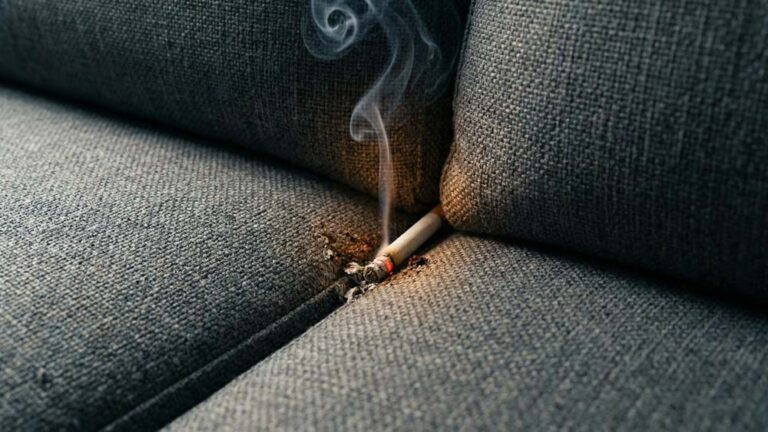
Selling furniture to the US? Master the mandatory CAL TB 117-2013 standard. Learn about the chemical-free smolder test and how to select compliant, safe fabrics for the market.
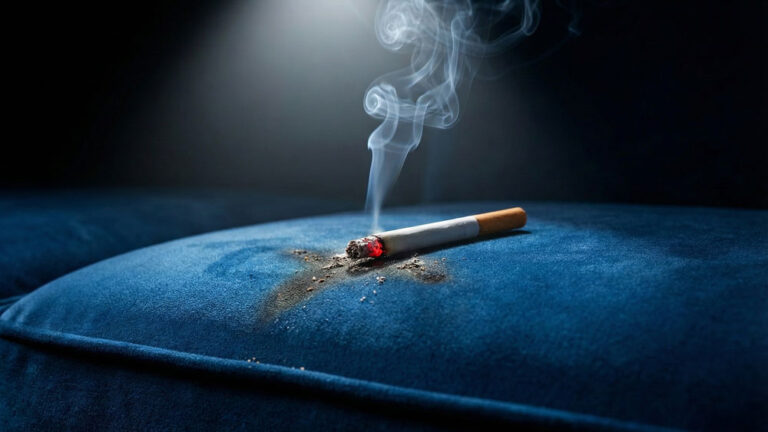
Exporting furniture to the EU? Learn the essentials of DIN EN 1021, the mandatory fire safety standard. This guide explains Part 1 & 2 testing and how to choose compliant IFR fabrics for market success.
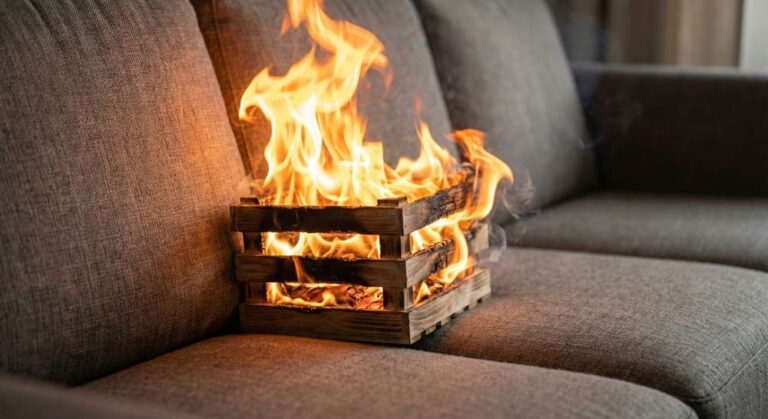
Is your furniture ready for the UK market? Discover everything about the rigorous BS 5852 Crib 5 test, the "Gold Standard" for commercial safety.

EN 1149-5:2018 is the core European standard regarding antistatic protective clothing. Its full title is Protective clothing – Electrostatic properties – Part…

NFPA 2112 is the standard on flame-resistant clothing for protection of industrial personnel against short-duration thermal exposures from fire. Primarily targeting…
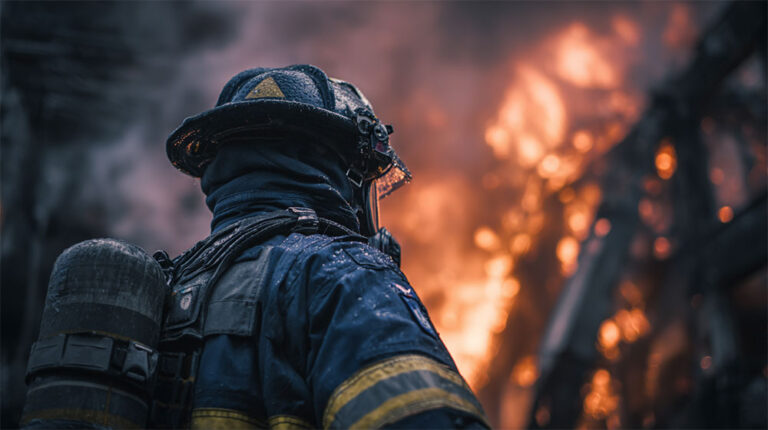
EN 469:2020 (Protective clothing for firefighters) is the highest authoritative standard in European and international markets for assessing the safety performance…

Master Limited Flame Spread Protection with our EN ISO 14116 guide. Learn the vital Index 1, 2, and 3 differences

In the fields of metal processing and heavy industry, welders face unique and high-risk safety threats: molten metal spatter, intense…

In the field of industrial safety, EN ISO 11612 is the gold standard for evaluating the performance of heat and flame-resistant protective…
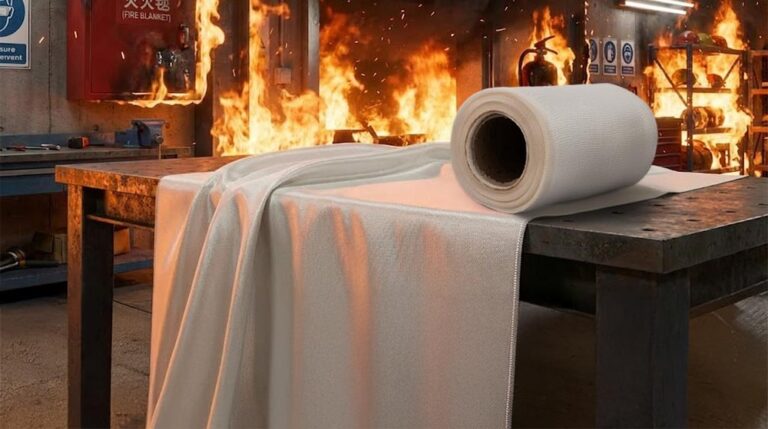
Is fireproof fiberglass fabric the ultimate solution for extreme heat? This guide analyzes its A1 non-combustible rating, temperature limits up to 1000°C, and compares it with Aramid.

Does Viscose burn easily? This deep dive reveals the truth about standard versus FR Viscose. We analyze the science of flame retardancy, compare it with Aramid and Modacrylic, and help you choose the right fabric for safety and comfort. Read on to master the facts!