
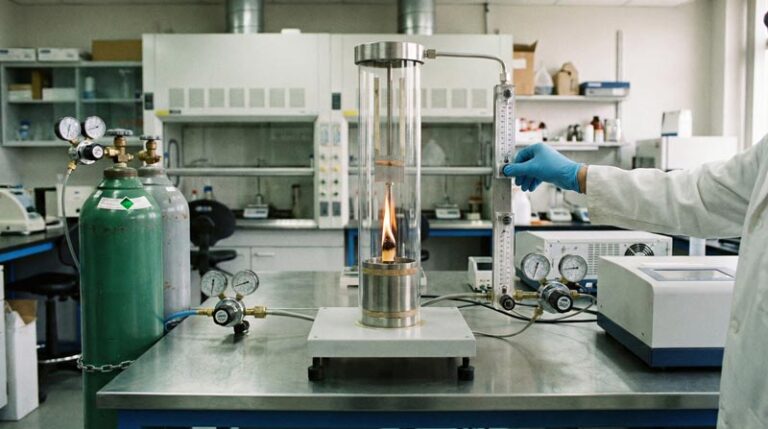
What Is Limiting Oxygen Index (LOI)? A Core Indicator of Flame-Retardant Performance
LOI is the minimum oxygen concentration needed to sustain combustion. This guide analyzes LOI values, testing standards, and the safety logic of IFR fabrics.
LOI is the minimum oxygen concentration needed to sustain combustion. This guide analyzes LOI values, testing standards, and the safety logic of IFR fabrics.
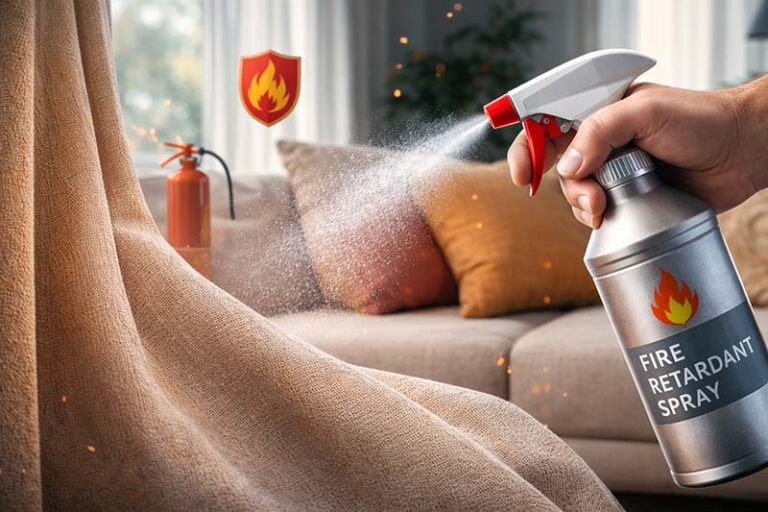
Fire safety is critically important in both residential and commercial environments where fabrics and soft furnishings are widely used. As a result, fire retardant sprays have become a popular and seemingly convenient solution. With just a few applications, ordinary textiles…
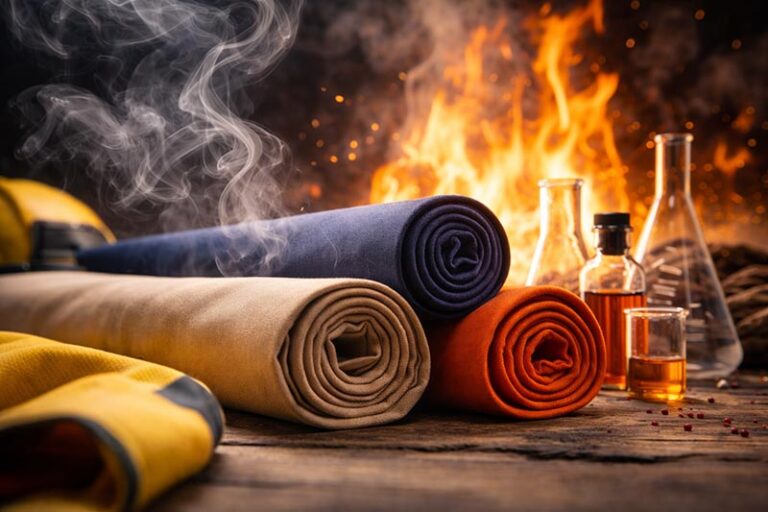
This article examines FR safety, distinguishing halogens from non-toxic inherent fibers. It covers skin safety, smoke toxicity, durability, and NFPA 701 standards.
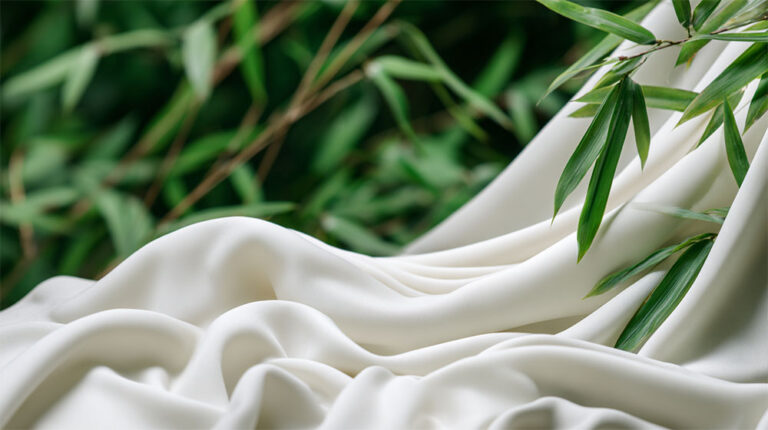
Does Viscose burn easily? This deep dive reveals the truth about standard versus FR Viscose. We analyze the science of flame retardancy, compare it with Aramid and Modacrylic, and help you choose the right fabric for safety and comfort. Read on to master the facts!

When selecting textiles, especially for home, transportation, or protective applications, fire safety is a non-negotiable topic. A common question from consumers and procurement managers alike is: is wool, a widely used natural fiber, flammable or fire resistant? This guide will…

Is your acrylic fabric flammable? Don't confuse Acrylic with Modacrylic. While they feel identical, one burns rapidly while the other self-extinguishes. Click to learn the critical safety difference.

Silk is prized for luxury, but how does it perform regarding fire safety? Its flammability is often misunderstood. This natural fiber behaves uniquely when exposed to flame—unlike cotton or polyester. Discover silk's true burn characteristics and why its use is strictly controlled.

Spandex gives our clothes incredible stretch, but what happens when it meets a flame? Does it melt, burn, or self-extinguish? The answer is critical for safety...

Polyester is one of the most widely used synthetic fibers in the world, known for its durability, versatility, and affordability. It is the foundational material for a vast range of products, found in everything from clothing (like shirts and activewear)…

Aramid is more than just a fabric. It exists as high-strength yarn, high-temp pulp, and electrical insulation paper. Understand the complete product classification to source the right material.

Aramid is one of the safest FR fibers (non-toxic, OEKO-TEX® certified). But is it "green"? We explore the paradox of its energy-intensive production vs. its eco-friendly durability.

Aramid isn't just for PPE. Why is it the required material for everything from airline seats to stage curtains? We explore the 4 critical industries that depend on its inherent FR properties.

"Flame retardant" isn't a vague promise; it's a quantifiable metric. Aramid's "no-drip" (d0) and "low-smoke" (s1) properties make it a benchmark material for passing the world's toughest FR tests. Here’s why it complies.

One FR fabric offers permanent protection. The other can fail after just one wrong wash. Understanding the critical difference between Inherent FR (Aramid) and Treated FR (Cotton) is essential for safety.

Both are high-performance Aramids, but one stops fire while the other stops bullets. Why are their applications so different? We dive into the molecular structure to reveal the answer.