Get in touch
Thank you for reaching out! Please tell us more about your needs — our expert team will get back to you within 24 hours.
Get in touch
Thank you for reaching out! Please tell us more about your needs — our expert team will get back to you within 24 hours.
Quick Summary: NFPA 1971 is the definitive safety standard for structural firefighting protective equipment. It establishes minimum requirements for the design, performance, and testing of the entire ensemble—from coats and pants to gloves and boots. While the industry is currently transitioning to the consolidated NFPA 1970 standard, the core safety thresholds for 2025 and 2026 remain centered on the performance levels established by NFPA 1971. This guide explains what the standard covers, how the materials protect you, and what to look for when purchasing turnout gear.
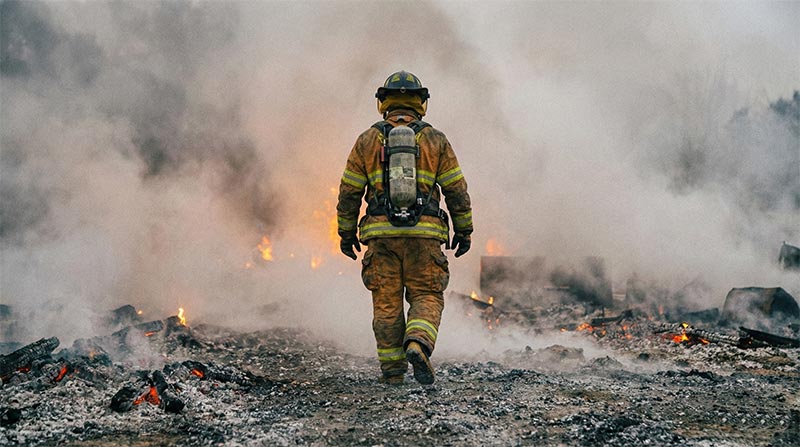
NFPA 1971 is a standard published by the National Fire Protection Association that defines the minimum safety requirements for structural firefighting equipment. Its goal is to provide a baseline of protection against thermal, physical, and environmental hazards encountered during fire department operations.
In the current 2025-2026 cycle, this standard is being integrated into NFPA 1970. This update simplifies the system by grouping protective ensembles, SCBA, and station wear under one umbrella. However, for most purchasers, the phrase “NFPA 1971 compliant” remains the most recognized mark of quality for turnout gear fabrics and construction.
Note: NFPA 1971 is intended for structural firefighting. Different standards apply to wildland firefighting (NFPA 1977) or technical rescue operations.
The standard ensures that every component of the firefighting ensemble protects the wearer. The scope includes:
Choosing the right fabric blend affects the weight, flexibility, and lifespan of the turnout gear. Most manufacturers use a mix of these high-performance fibers:
Begoodtex provides specialized fabrics engineered to meet and exceed these NFPA 1971 requirements. Begoodtex focuses on balancing extreme thermal shielding with the durability needed for the modern fireground.
To be certified, turnout gear must pass a series of brutal lab tests that simulate the extreme conditions of a fireground. These tests ensure the material will not fail under stress.
| Test Name | What it Evaluates | Why it Matters |
|---|---|---|
| Thermal Protection (TPP) | Resistance to radiant heat and flame. | Measures how many seconds of protection you have before a 2nd-degree burn occurs. |
| Heat & Thermal Shrinkage | Stability at 260 degrees C. | Ensures the fabric doesn’t shrink or warp, which would compromise the fit and safety. |
| Water & Blood Penetration | Resistance to liquids and pathogens. | Protects firefighters from hazardous fluids and bloodborne pathogens during rescue. |
| Physical Performance | Tear strength and seam strength. | Ensures the gear doesn’t rip on sharp debris while crawling or climbing. |
In addition to these, fabrics undergo Flame Resistance testing to ensure they don’t continue to burn once the heat source is removed, and optional tests for chemical or electrical insulation depending on the specific application.
When procuring new turnout gear for 2025 and 2026, keep these factors in mind to ensure your department stays safe and compliant:
Always verify that the turnout gear has a permanent certification label from a third-party laboratory like UL or SEI. This is the only way to guarantee the product meets the required safety thresholds.
While thermal protection is vital, the gear must also allow body heat to escape. A high “Total Heat Loss” (THL) rating helps reduce heat stress, which is a leading cause of firefighter injuries. Begoodtex materials are designed to help achieve this balance between protection and wearer comfort.
Modern standards are moving toward PFAS-free moisture barriers. Ask your supplier if the materials comply with the latest health and environmental guidelines, as this is becoming a key requirement for many departments in 2026.
NFPA 1971 is more than a regulation; it is a life-saving framework that ensures every piece of structural firefighting PPE—from coats to hoods—is capable of withstanding extreme heat and physical stress. By understanding the core testing requirements and selecting advanced materials, such as those from Begoodtex, fire departments can ensure their personnel are equipped with the most reliable protection available.
Most guidelines recommend replacing gear 10 years after the date of manufacture, regardless of its condition. However, gear should be retired earlier if it fails an inspection or is exposed to extreme contamination.
NFPA 1970 is the new “consolidated” standard that now includes the requirements formerly found in NFPA 1971. For 2025 and 2026, gear meeting either standard is generally accepted, but new purchases will slowly transition to the 1970 label.
A TPP (Thermal Protective Performance) rating of 35 is the minimum required. It represents approximately 17.5 seconds of protection before a second-degree burn occurs under intense heat exposure.
No. Wildland firefighting equipment is covered under NFPA 1977. NFPA 1971 boots are specifically designed for the higher heat and liquid hazards of building fires.
This test puts materials in an oven at 260 degrees C (500 degrees F). The material must not shrink more than 10% and must not melt or ignite, ensuring the gear stays intact in high heat.