Enter your details and we will send the requested document to your inbox.





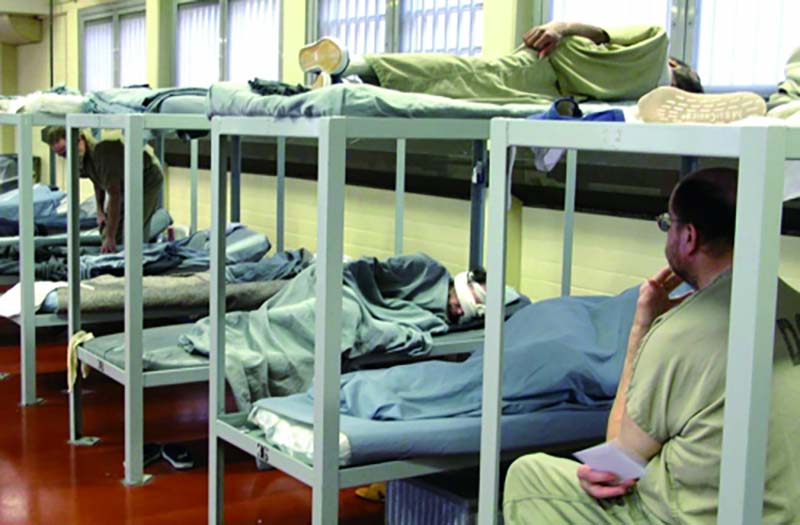
The fabrics used in prisons seem like fabrics at first. They make things like bed sheets for prisons blankets for prisons pillowcases for prisons curtains for prisons uniforms for prisons medical cubicle curtains for prisons visiting area seating for prisons wall padding for prisons and soft furnishings for prisons.
In a hotel or a hospital people use these kinds of fabrics to make ordinary things, like bed sheets, blankets and curtains.
Inside a prison Prison fabrics have to deal with two things at the same time: fire risk and intentional damage.
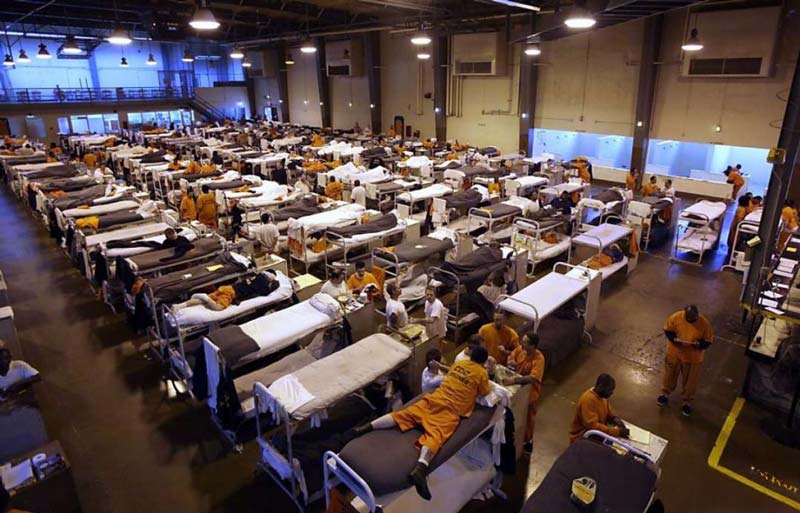
Doors are usually controlled. People cannot evacuate as freely as they would in a hotel or public building. Even one burning bed sheet can fill a small space with smoke very quickly.
That is why flame-retardant fabrics for prisons cannot be judged only by a basic fire test.
In this environment, fabric is not just decoration. It becomes part of safety management.
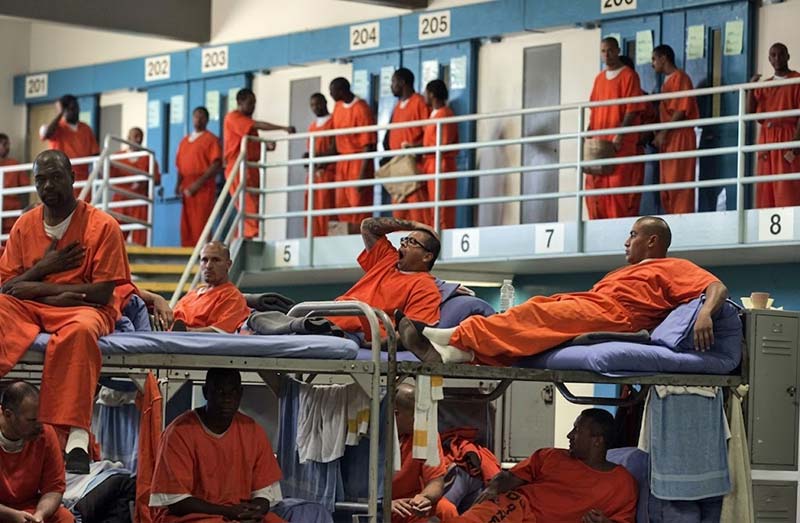
In most public buildings, the first response to fire is evacuation.
A shopping mall can open exits.
A hotel can guide guests down stairways.
A school can organize students to leave.
A prison is different.
Cells, corridors, segregation areas, medical rooms, and visiting areas all have controlled access and strict procedures. People cannot simply walk out. Staff also need to maintain order while preventing panic or further incidents.
This makes the first few minutes very important.
Bedding should not keep burning once ignited.
Curtains should not allow flames to climb quickly.
Wall padding and foam should not release heavy smoke too fast.
The real job of prison textiles is to buy time.
When a fire source appears, the fabric should help slow the spread, reduce smoke growth, and give staff time to respond.
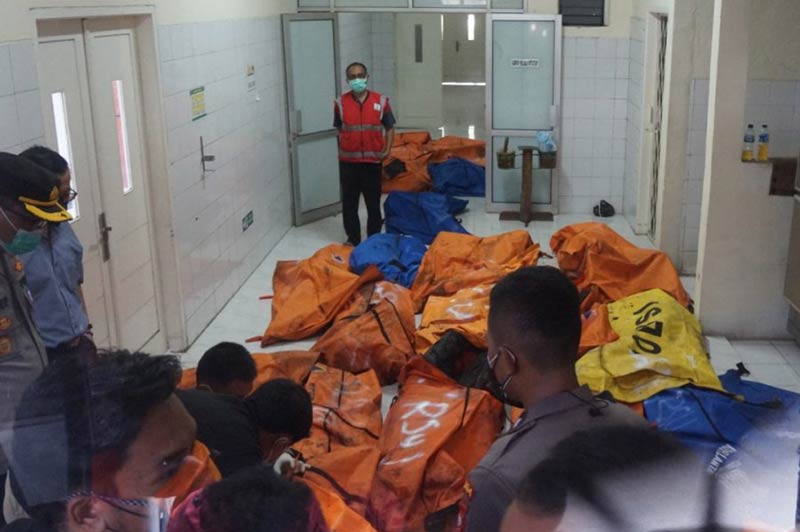
Among prison textiles, bedding is often the most sensitive category.
Sheets, pillowcases, duvet covers, and blankets are used every day inside cells. The quantity is large, the contact frequency is high, and they can easily become a fire source. In many prison fire incidents, bedding is one of the most common fuel materials.
Prison bedding cannot be too stiff, or daily use becomes uncomfortable. But it also cannot be too ordinary, because the safety risk is higher.
A good prison bedding fabric should be difficult to keep burning, self-extinguish quickly after the flame source is removed, release as little smoke as possible, and remain stable after repeated washing.
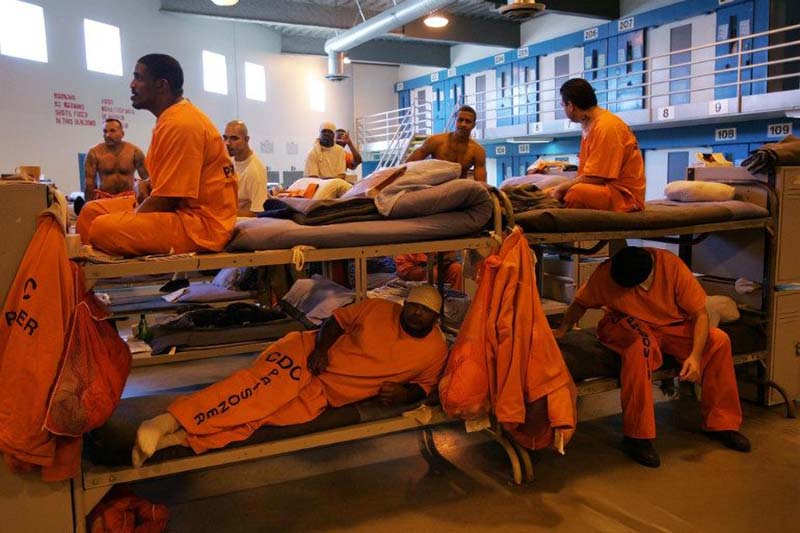
Prison curtains should not be selected like ordinary curtains.
When you have a fabric that is lying flat and a fabric that is hanging vertically they do not catch fire in the way. If a curtain catches fire at the bottom the flames can go up the fabric. Affect the ceiling or the sprinkler system or the window frame or other things that are nearby.
You need to choose cell curtains and public area curtains and medical cubicle curtains based on where they will be put up.
For curtains that are hanging you can look at standards like NFPA 701 or BS 5867 Type C depending on where you’re what the project needs.
Medical area cubicle curtains need care when it comes to cleaning and stopping infections. They need to be able to resist flames and bacteria and be easy to clean and resist liquids at the same time.
The things you want a fabric to do the more carefully you need to plan what the fabric will be like.
If you treat a fabric to stop bacteria or make it repel water or add a coating or make it resist flames all these things can affect each other. It is better to plan and test all these things together from the start of adding them one, by one later.
Prison uniforms are different from bedding and curtains because they are worn directly on the body.
When people buy things like prison uniforms they should not just think about whether they can stop fires from spreading. They also need to think about what happens to the fabric when it gets very hot or catches on fire. Does the fabric melt, drip or stick to the persons skin?
Some regular synthetic fibers can be bad because they might melt or drip so people who make prison uniforms and protective clothing have to make sure their fabrics do not do that.
The uniforms that prisoners wear need to be able to be washed be strong and be comfortable. They also need to be safe so that small fires do not hurt the person wearing them.
The uniforms that staff members wear can be at risk of things like fighting, heat, flames being pulled and being cut. For these uniforms people might use fibers like aramid to make them stronger and safer, from heat and other dangers.
Visiting areas, waiting rooms, staff rest areas, libraries, medical areas, and observation rooms may use chairs, sofas, wall padding, or protective pads.
For these products, the outer fabric is only one part of the story.
The foam inside is also critical.
The cover fabric may stop flames. When the fire gets to the foam it can get really hot and smoky really fast. That is why furniture in prisons and other places with lots of padding need to be tested to make sure they do not catch fire easily like with Crib 5 or Crib 7 tests.
A simple way to understand Crib 5 and Crib 7 is:
Different prison textile products face different risks, so the fabric selection focus also changes.
| Application Area | Main Risk | Fabric Selection Focus |
|---|---|---|
| Bedding and blankets | Ignition, tearing, frequent washing | Inherently FR, low smoke, washable, tear resistant |
| Curtains and cubicle curtains | Upward flame spread | Vertical flame resistance, low smoke, antibacterial or easy-clean options if needed |
| Uniforms and workwear | Flame contact, melting, dripping, repeated washing | No-melt / no-drip, washable, comfortable, strong fabric |
| Seating and padded products | Smoke and heat increase after fire reaches foam | Crib 5 / Crib 7, fire barrier, full structure testing |
For prison upholstery, testing the final product structure is usually safer.
Testing only one fabric layer may not represent the final product. Once the fabric, foam, adhesive, sewing thread, and fire barrier are combined, the burning behavior may change.
 Waterproof Flame Retardant Polyester Canvas for Bulk Tent and Outdoor Projects with OEM Production Support | 340 g/m² | 200 cm
 Inherent Flame Retardant Stretch Velour Polyester-Spandex Fabric for Event Decor | 150/260 g/m² | 150 cm | BS 5867 Type C
 Inherent Flame Retardant Fine Corduroy Sofa Polyester Pillow Fabric with High Wear Resistance | 370 g/m² | 150 cm | BS 5852 Crib 5
Prison bedding, prison uniforms and prison blankets get washed a lot in machines.
They use hot water and strong soap to clean the prison bedding, prison uniforms and prison blankets.
The prison bedding, prison uniforms and prison blankets get bleached and dried in a way that is tougher, than how you would wash them at home.
So wash durability is not a small detail. It is one of the most important purchasing points.
Post-treated flame-retardant fabrics mainly rely on surface finishing. After many washes, the flame-retardant effect may weaken.
Inherently flame-retardant fabrics get their flame-retardant performance from inside the fiber. They are less likely to lose performance quickly because of washing or abrasion.
This matters in prison projects.
A cheap fabric may save money at the beginning. But if it pills, becomes thinner, loses flame-retardant performance, or tears easily after several washes, it will need replacement much sooner.
Inherently FR fabrics may cost more per meter, but the service life, maintenance cost, and replacement frequency can be easier to control.
For prison projects, buyers should not only calculate purchase price.
They need to calculate long-term use cost.
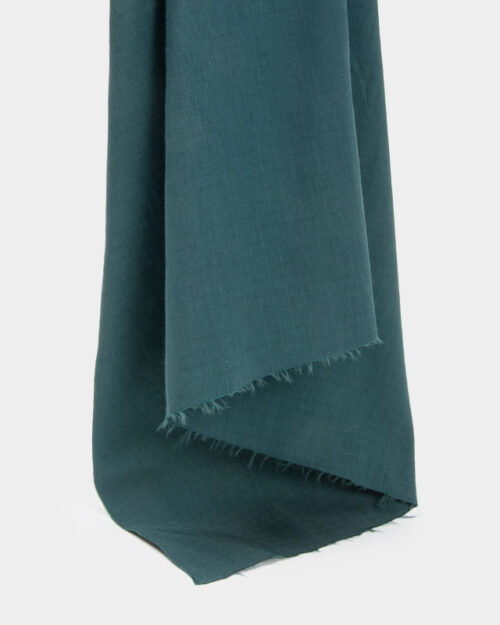 Inherent Flame Retardant Durable Cotton-Nylon Ripstop Fabric for Protective Workwear Production | 150 g/m² | 150 cm | EN ISO 11612
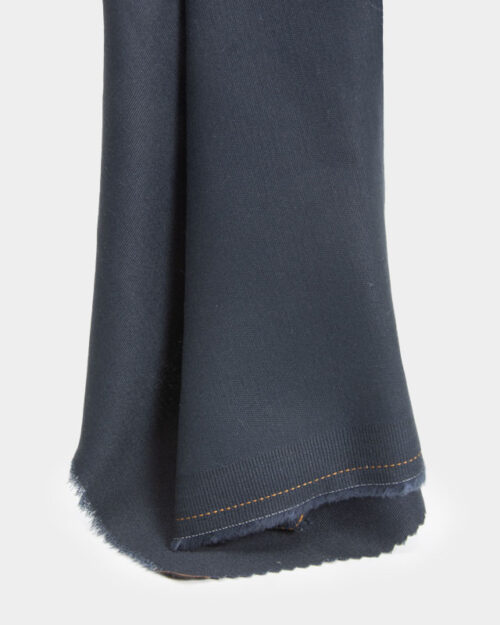 Inherent Flame Retardant Stretch Cotton Spandex Fabric for Bulk Industrial Workwear Applications | 270 g/m² | 150 cm | EN ISO 11612
 Anti-Static Flame Resistant Cotton Coverall with Reflective Tape North American Style for Protective Clothing | EN ISO 11612
It is difficult for one fabric to solve every prison textile need.
Different products and different risks require different material choices.
| Material Direction | More Suitable Products | What to Check |
|---|---|---|
| Inherently FR polyester | Bedding, curtains, cubicle curtains, durable linens | Low smoke, wash durability, tear resistance |
| FR-treated cotton | Uniforms, inner garments, hot-climate clothing | After-wash FR performance, shrinkage |
| Aramid | Tactical equipment, high-risk protection parts | Higher cost, best used in key risk areas |
| Flame-retardant blends | Blankets, workwear, soft textile products | Hand feel, strength, FR performance, wash durability |
This table is only a starting point.
The final choice still depends on local standards, prison security level, washing method, management risk, and budget.
 Fireproof Aramid Mesh Fabric UL for Flame-Resistant Garment Projects with Wholesale Supply Options | 135 g/m² | 150 cm | EN ISO 11612
 Inherent Flame Retardant Double Layer Aramid High Temperature Gloves 500°C Heat Cut Resistant for Workwear | EN ISO 11612
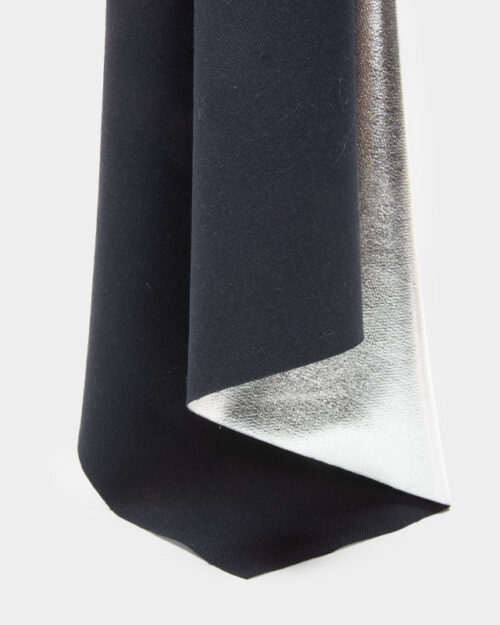 Inherent Flame Retardant Aluminized Meta-Aramid 1313 Fabric for Safety Garment Production | 240 g/m² | 150 cm | EN ISO 11612
At Begoodtex, we do not design flame-retardant fabric solutions for prisons based only on color, weight, or a single test report. We start by looking at where the fabric will actually be used.
For cell bedding, the key priorities are inherent flame retardancy, wash durability, low smoke, tear resistance, and a long service life. High-risk suicide blankets also need to ensure they cannot be easily torn into strips. Curtains and cubicle screens focus more on vertical flame retardancy, easy maintenance, antimicrobial properties, and water repellency. Meanwhile, uniform projects center on wash durability, wearer comfort, no-melt/no-drip behavior, and dimensional stability after laundering.
For upholstered padding, seating, or public area textiles, Begoodtex evaluates full fire performance by looking at how the fabric, foam, fire barrier, and finished structure work together. Depending on the project, some facilities also require color-coded zoning, Ripstop anti-tear structures, wipe-clean coatings, water- and stain-repellent finishes, or higher abrasion resistance.
Our focus is not simply stacking functions. We aim to help customers select a stable, practical prison flame-retardant fabric solution tailored to real-world fire risks, security management, laundry routines, and service life.
Because bedding is one of the most common textiles inside cells and can easily become a fire source. Flame-retardant bedding helps slow fire growth and gives staff more time to respond.
Crib 7 uses a stronger ignition source and is more suitable for high-risk areas or stricter prison environments. Crib 5 is often used for standard upholstery and seating products, but the final requirement depends on the project specification.
Curtains and hanging textiles may refer to NFPA 701 or BS 5867 Type C, depending on the country, project requirement, and installation position.
Their flame-retardant performance comes from inside the fiber, so it is less likely to weaken quickly after industrial washing and abrasion. This makes them suitable for long-term products such as bedding, curtains, and cubicle curtains.
It is not recommended without careful review. Ordinary synthetic fibers may melt, drip, or stick to skin when exposed to flame. Uniform fabrics should consider no-melt/no-drip performance, washing durability, comfort, and relevant protection standards.
An anti-ligature blanket needs more than flame retardancy. It should also be very difficult to tear into strips, helping reduce misuse risks in high-risk areas. It usually uses stronger fibers and special fabric construction.