Enter your details and we will send the requested document to your inbox.





Nylon is one of the most widely used synthetic fibers in the world — valued for its strength, abrasion resistance, and low weight. But in its natural form, nylon is not fire-safe: it melts and drips when exposed to flame. That is why flame retardant nylon fabric has become a staple for protective clothing, tents, and outdoor gear where a single ignition can turn dangerous fast. This guide explains how nylon becomes flame retardant, what makes BEGOODTEX FR nylon stand out, and where buyers should specify it.
Flame retardant nylon fabric is nylon engineered to resist ignition and self-extinguish once the heat source is removed. Through FR treatments or inherently flame-resistant constructions, it meets standards such as EN ISO 11611, EN ISO 11612 (Class E3), and EN 1149-5, making it suitable for protective clothing, tents, and outdoor equipment.

Nylon is a synthetic polymer first introduced to the textile industry in the 1930s. It was quickly prized for its high strength-to-weight ratio and durability, and because it can be woven or knitted into many textures and patterns, it became a default choice for everything from apparel to industrial textiles. For buyers, the appeal is simple: nylon is tough, light, and holds its shape under repeated stress.
Nylon production starts with polymerization, where raw materials form long molecular chains. Those chains are extruded through spinnerets to create filaments, then stretched and oriented to improve strength. The resulting yarns are woven or knitted into fabric, and can be further finished for specific properties such as water resistance or flame retardancy.
In its untreated state, nylon is thermoplastic: it softens, melts, and drips when heated rather than charring like cotton. That melt-and-drip behavior can spread burning droplets and cause severe contact burns. This is the core reason nylon must be modified before it can be used in fire-sensitive environments.
 Anti-Static Flame Resistant Nylon Water Resistant, Modacrylic Cotton N66 Elastane for Workwear | 285 g/m² | 137 cm | EN ISO 11612
 Anti-Static Flame Resistant Nylon Checkered Workwear Fabric in Black from a China Textile Mill | 150 g/m² | 150 cm | EN ISO 11612
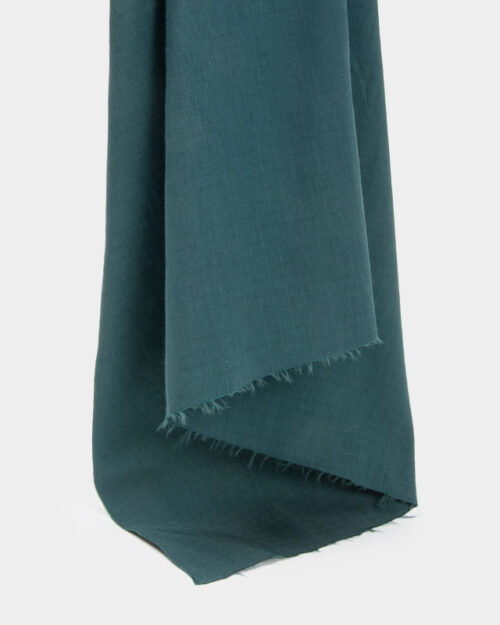 Inherent Flame Retardant Durable Cotton-Nylon Ripstop Fabric for Protective Workwear Production | 150 g/m² | 150 cm | EN ISO 11612
Yes. Flame retardancy can be imparted to nylon either during manufacturing (through FR-modified polymers or inherently flame-resistant variants) or as a finished product using flame retardant chemicals. These treatments let nylon meet the stringent fire-protection requirements of industries where fire hazards are a constant concern. The goal is not to make nylon non-combustible, but to slow ignition, limit flame spread, and stop burning once the source is gone.
Nylon is not the only option. Polyester can also be made fire-resistant — polyester flame retardant fabric gains strong wash resistance and durable FR performance after advanced treatments such as ATP flame retardants, and complies with national flame-resistance standards for protective clothing. For buyers comparing base fibers, inherent FR polyester fabric offers permanent protection that does not wash out, which is often preferred for long-life workwear.
Several factors decide how a fabric behaves near fire. Using flame retardant polymer is essential for lowering combustibility. Weave tightness also matters: tighter weaves burn more slowly than looser ones, and fabrics with a tight, hard surface resist ignition better than loose, fluffy constructions — in some cases flames can even flash past a dense surface without causing sustained combustion.
As an engineered nylon textile, BEGOODTEX flame retardant nylon fabric delivers performance that meets high standards for flame resistance — including EN ISO 11611, EN ISO 11612 (Class E3), and EN 1149-5. That means the fabric resists catching fire under extreme conditions, making it suitable for high-risk protective wear such as firefighting and industrial work. Every batch is backed by TÜV SÜD third-party FR test reports so buyers can verify compliance before purchase.
The defining trait of BEGOODTEX FR nylon is its high strength and wear resistance. Nylon is added precisely because the fabric must endure harsh conditions for long periods while keeping its shape. Beyond raw durability, this extends garment life by over 50%, which translates directly into lower replacement cost and better value for money across a PPE program.
BEGOODTEX anti-static and flame retardant workwear is built for environments with static-discharge hazards. The fabric prevents static build-up and reduces the risk of sparks igniting flammable materials, improving safety in explosive atmospheres. By eliminating the static spark that could set off a flammable substance, it protects workers in refineries, grain handling, and chemical plants.
BEGOODTEX FR nylon is not only flame resistant but also waterproof. That keeps garments wearable in wet conditions and shields the wearer from both fire hazards and the elements at once. For outerwear and outdoor equipment, this dual protection means the fabric stays functional in rain or snow without sacrificing fire safety.
Strong protection does not have to mean stiff, uncomfortable gear. BEGOODTEX FR nylon uses a polyester and viscose blend that is breathable with a soft hand feel, so workers can wear protective clothing for long shifts without sacrificing comfort. The blend balances protection and wearability — the same comfort expectation buyers have from standard apparel.

FR nylon is a core material for protective outfits in fire-prone, high-heat locations. It is used in garments for industries such as oil and gas, firefighting, metallurgy, and chemical processing. Its high wear resistance and strength keep clothing intact under abuse, while its anti-static property minimizes discharge risk where flammable gas or dust is present. Comfort matters most here: workers wear these garments for long hours, and the soft, breathable hand feel keeps them comfortable through a shift. That combination of protection and comfort is why PPE manufacturers favor BEGOODTEX FR nylon.
FR nylon is also a major material for fire resistant tents and other outdoor gear. Camping and expedition equipment must survive external forces while protecting users from accidental fire hazards caused by campfires or cooking equipment. Because BEGOODTEX nylon is both flame retardant and waterproof, tents and shelters stay dry in rain or snow. It is also lighter yet tough — retaining portability while balancing strength and protection, which makes it ideal for backpacks, sleeping bags, and other camping essentials.
For weight-critical transport interiors, aviation-grade flame resistant nylon brings the same FR performance in a 300 gsm construction suited to aircraft and vehicle applications where every gram counts.

| Factor | FR Nylon | Inherent FR Polyester | FR-Treated Cotton / Aramid |
| Base fiber behavior | Melts/drips unless treated | Inherently FR, no wash-out | Cotton chars; aramid is inherently FR |
| Strength & abrasion | Very high | High | Moderate (cotton) / very high (aramid) |
| Weight | Light | Light–medium | Medium–heavy (aramid) |
| Water resistance | Excellent (can be waterproofed) | Good | Low (cotton) |
| Typical use | Outdoor, PPE, transport | Long-life workwear | Commodity FR / extreme-heat PPE |
The right choice depends on the hazard profile: nylon wins where light weight, water resistance, and abrasion matter; IFR polyester wins where permanent wash-durable protection is the priority.
No. In its raw form nylon is thermoplastic and will melt and drip near flame. Flame retardancy must be added during manufacturing or through FR finishing. Only then does it resist ignition and self-extinguish.
For treated nylon, protection depends on the chemical system and care; heavy washing and abrasion gradually reduce effectiveness. Inherently FR constructions (and IFR polyester blends) keep protection for the life of the garment. Always check the supplier’s test report for wash-cycle ratings.
BEGOODTEX FR nylon is tested to EN ISO 11611 (welding), EN ISO 11612 (heat and flame, Class E3), and EN 1149-5 (anti-static). U.S. buyers may also reference NFPA standards depending on the application. Verify the exact standard on the batch certificate before specifying.
Yes. BEGOODTEX FR nylon uses a polyester–viscose blend with a soft hand feel and good breathability, so it wears like normal protective apparel rather than stiff, heavy gear.
Absolutely. Its combination of flame resistance, waterproofing, and light weight makes it a strong choice for tents, backpacks, and sleeping bags where both fire safety and portability matter.
BEGOODTEX flame retardant nylon fabric delivers a rare combination of fire protection, breathability, and durability across industries. Its high strength extends garment life by over 50%, its anti-static property protects in explosive environments, and its waterproof function keeps workers safe in wet conditions. For protective clothing, tents, and transport applications, that balance of protection and comfort makes FR nylon a smart, field-proven choice.
Ready to specify FR nylon for your next program? Contact our FR fabric specialists for samples, test reports, and OEM options.