Enter your details and we will send the requested document to your inbox.





Flame retardant fabrics engineered to resist surface fuzzing and pilling, helping upholstery, bedding, mattresses, and other frequently used textiles maintain a cleaner appearance over time.
Showing all 13 resultsSorted by latest
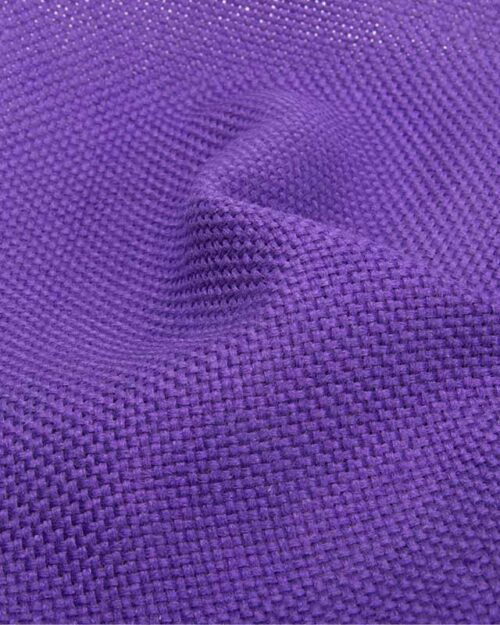
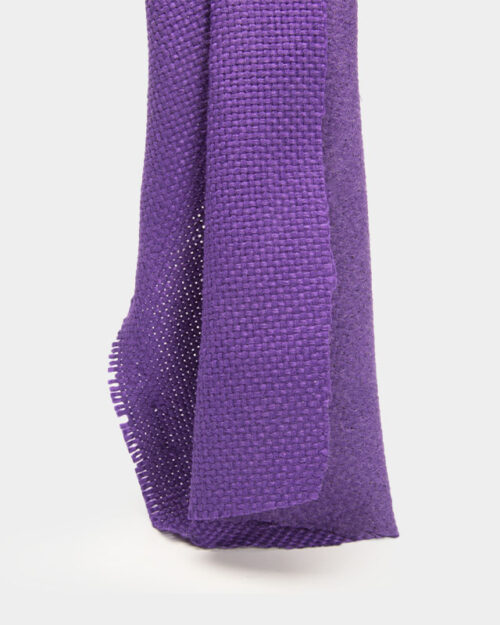

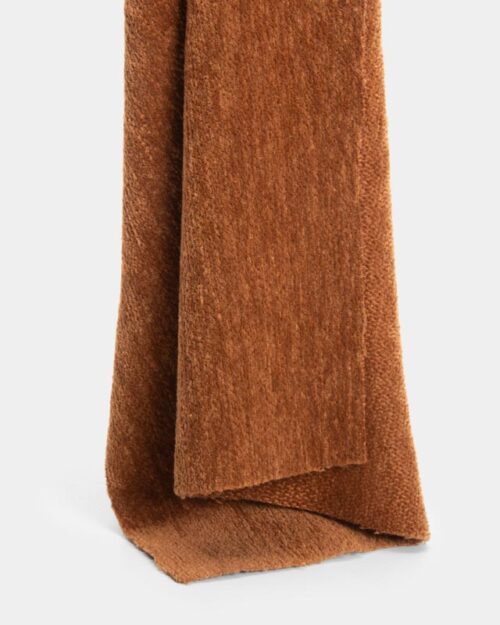


IFR + Anti-Pilling Fabric combines flame retardant performance with improved resistance to surface fuzzing, fiber entanglement, and pill formation.
Pilling usually develops when repeated friction causes loose fibers to migrate to the surface and become tangled into small balls. BEGOODTEX currently applies Anti-Pilling functionality to upholstery, chenille, mattress, bedding, and related contract textiles.
Pilling resistance depends on several factors, including fiber type, yarn structure, fabric density, surface construction, finishing, and friction during use.
BEGOODTEX describes its Anti-Pilling range as using high-density structures and functional finishing to reduce fiber tangling and maintain a smoother surface during repeated use.
Chenille, bedding, and upholstery fabrics particularly benefit from this function because their surfaces are frequently exposed to rubbing, sitting, sleeping, cleaning, and repeated handling.
Typical applications include sofa and chair upholstery, hotel furniture, mattress fabrics, bed sheets, bed runners, cushions, blankets, and other high-contact home or contract textiles.
BEGOODTEX's current range includes products such as BG-296 315 g/m² nylon upholstery fabric, BG-H9 480 g/m² chenille upholstery fabric, and BG-247 320 g/m² FR polyester mattress fabric.
The applicable flame-retardant standard depends on the final product.
For upholstery, BG-296 currently supports BS 5852 Crib 5, CAL TB 117, and DIN EN 1021 Part 1.
For bedding and mattress applications, BG-247 currently lists BS 5815, BS 7175 Source 7, BS 7177, GOST R 50810-95, IMO FTPC Part 9, and JIS L 1091.
Therefore, Anti-Pilling testing and flame-retardant testing should be confirmed separately according to the exact fabric and final application.
Focused on flame retardant textile development since 2013.
Supports fabric development, sample testing and internal performance checks.
Product-specific test reports available for different markets and applications.
Samples, customization, confirmed specifications and bulk production support.
