Enter your details and we will send the requested document to your inbox.





Flame retardant stretch fabrics combining fire performance with flexibility and shape recovery for event covers, upholstery, workwear, transport seating, and other fitted textile applications.
Showing all 12 resultsSorted by latest
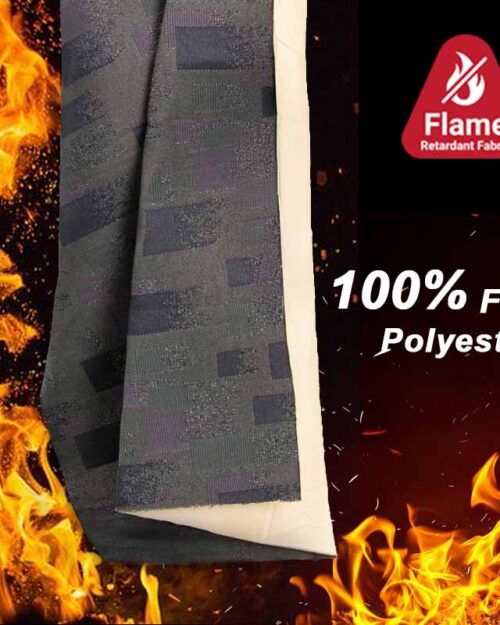
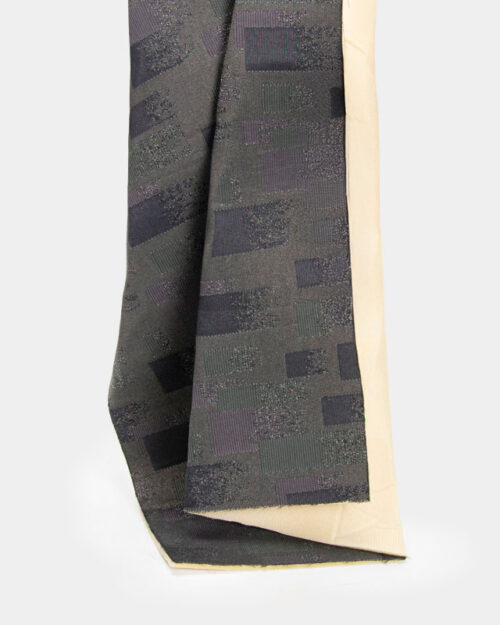


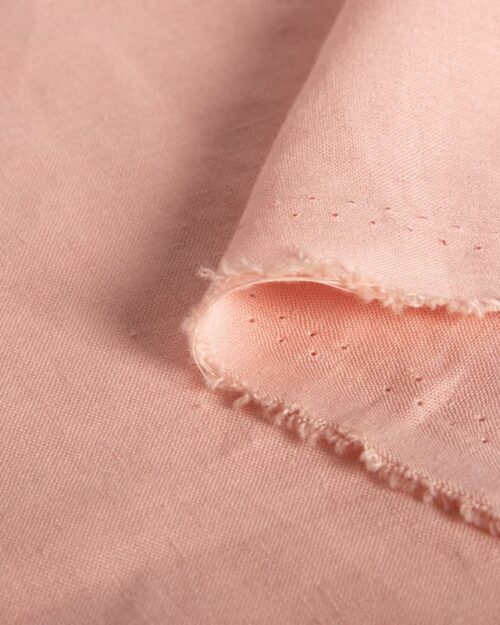
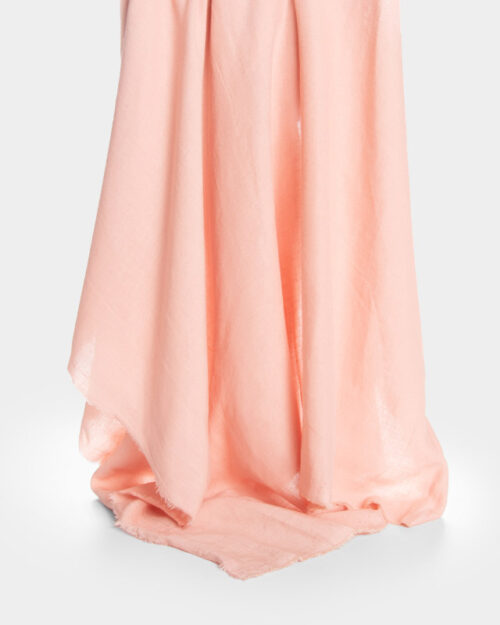
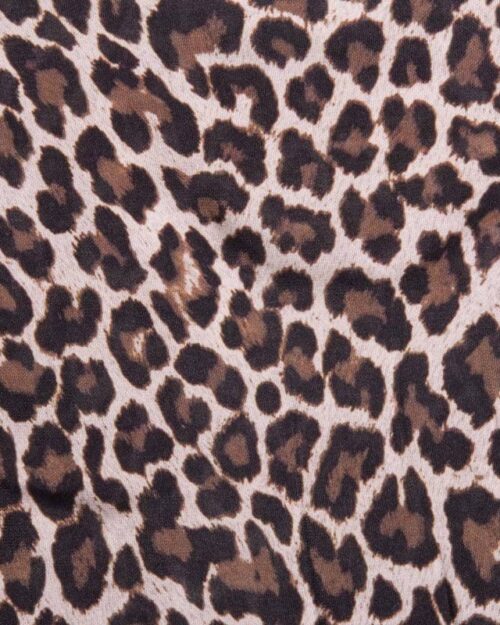
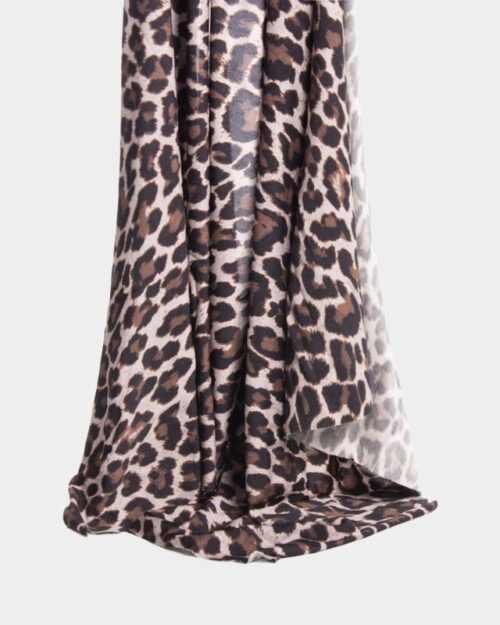
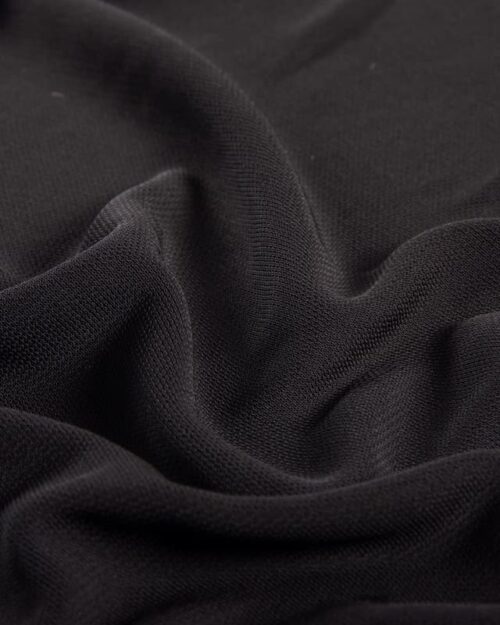
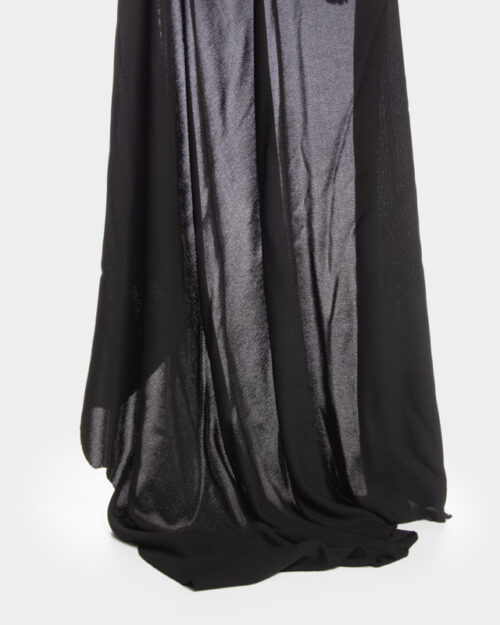
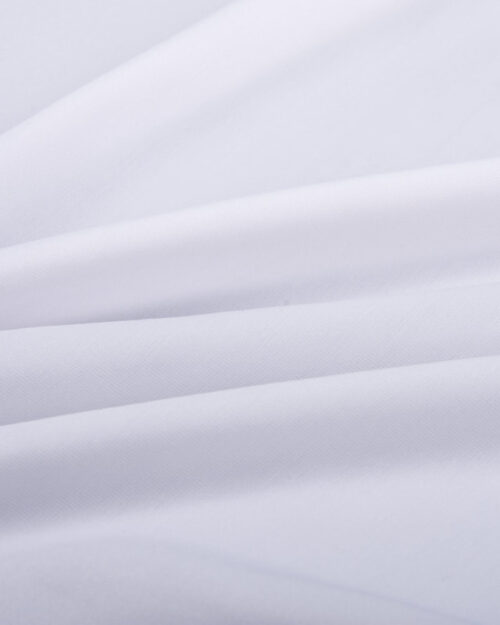
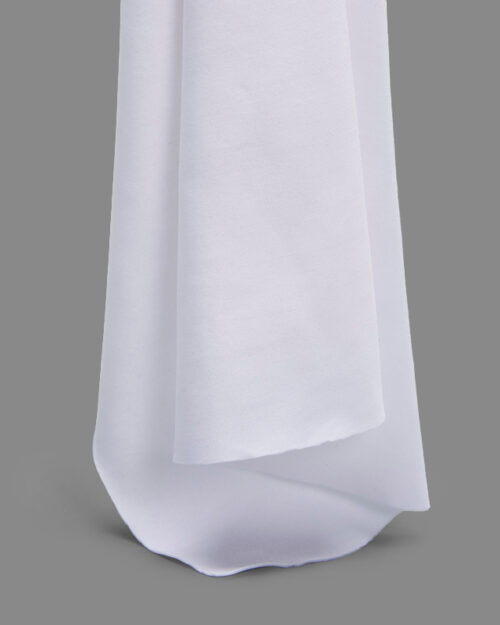

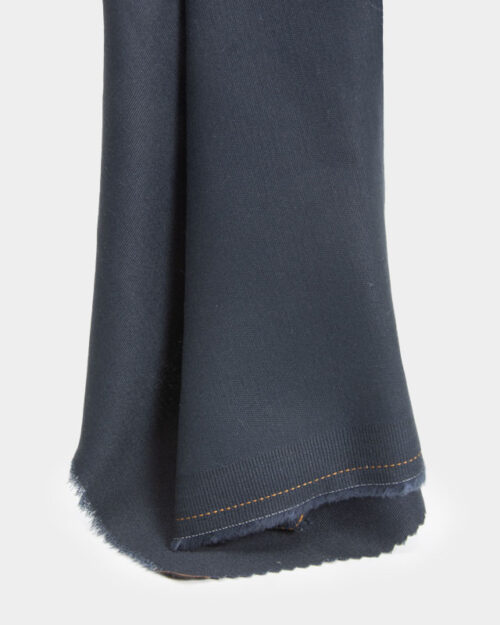
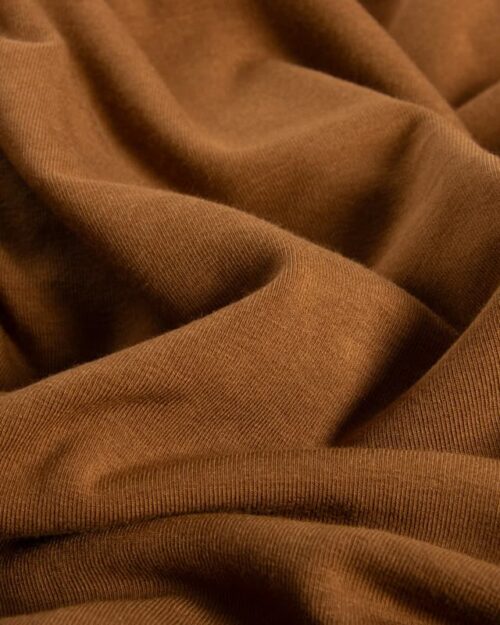
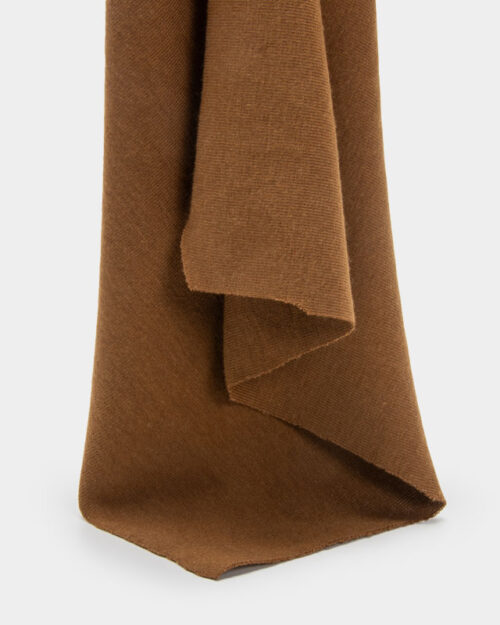
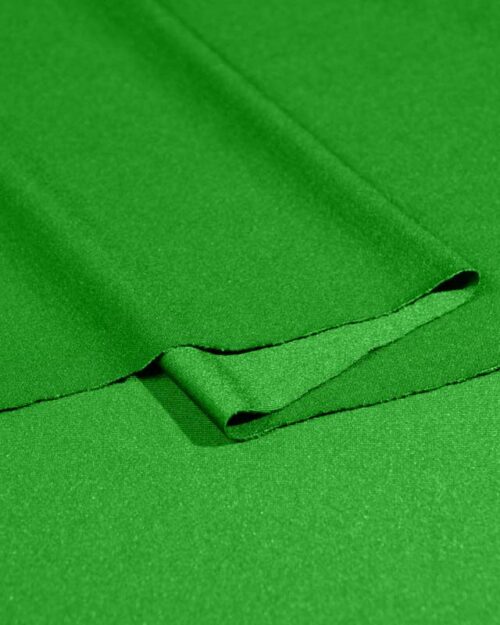
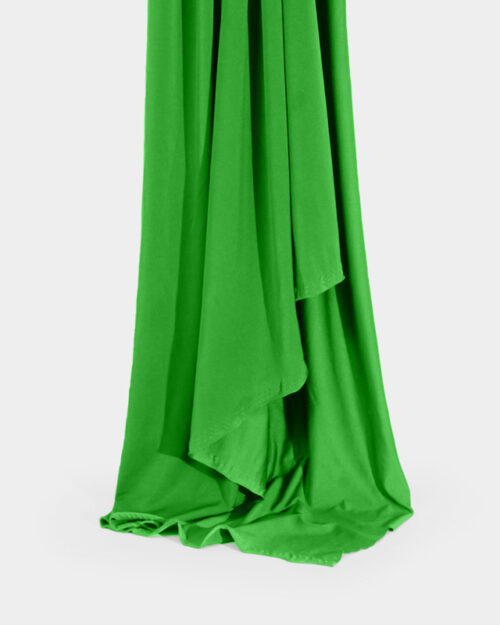


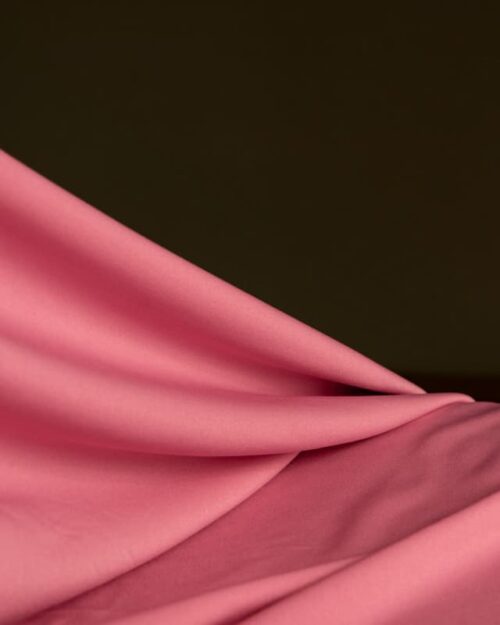
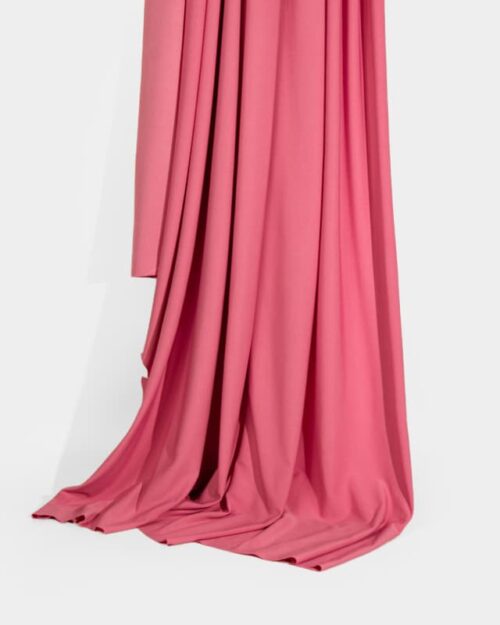
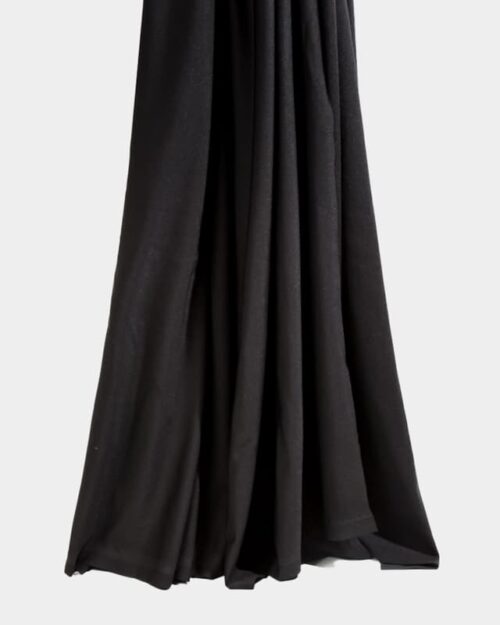
IFR + Elasticity Fabric combines flame retardant performance with stretch and recovery so the textile can adapt to curved, fitted, or movement-intensive applications.
Elasticity may come from Polyester + Spandex blends, warp-knit or weft-stretch structures, or other elastic constructions. BEGOODTEX's current range includes wide-width stretch fabrics, workwear fabrics, stretch velvet, and seating-related products.
Not necessarily, but the finished fabric must be engineered to balance both properties.
Adding elasticity changes yarn composition and fabric structure, so buyers should evaluate stretch percentage, recovery, dimensional stability, and flame performance on the final fabric rather than assuming that a conventional stretch fabric will maintain the same behavior after FR modification.
For example, BEGOODTEX BG-F54 uses 80% Polyester + 20% Spandex, with a 300 cm warp-knit construction designed for stretch-fit event table covers.
The direction of stretch affects how the fabric fits the final product.
Warp Stretch mainly provides elasticity along the fabric length.
Weft Stretch mainly stretches across the fabric width.
4-Way Stretch provides flexibility in both directions and is more suitable for products that need to closely follow complex shapes.
BEGOODTEX currently offers warp-knit, weft-stretch, and multi-directional stretch constructions for different applications.
Stretch fabrics can fit tightly around tables, chairs, exhibition furniture, and event structures, helping create a smooth surface with fewer loose folds.
BEGOODTEX BG-F54 is a 300 cm wide, 200 g/m² inherent flame retardant warp-knit stretch fabric developed specifically for event table covers. BG-SMT provides another 320 cm wide stretch option for Table Linens & Event Decor projects.
Elasticity is also useful where the textile needs to move with the user or conform to shaped surfaces.
In protective workwear, controlled stretch can improve freedom of movement. In sofa covers, chair covers, transport seating, and fitted upholstery, elasticity helps the material follow curved surfaces and maintain a cleaner fit.
The required stretch level should therefore be selected according to the final product rather than simply choosing the fabric with the highest elongation.
Standards depend on the final application.
For event textiles, BEGOODTEX BG-F54 currently lists NFPA 701, CA Title 19, CAN/ULC-S109-14, DIN 4102-B1, EN 13773 Class 1, NF P92-503 M1, GOST R 50810-95, and JIS L 1091.
BG-SMT also lists IMO FTPC Part 7 and UNI 9177, while its published test information includes BS 7837 for textiles used in marquees and similar structures.
Different stretch fabrics used for workwear, upholstery, or transport interiors may require completely different standards. Buyers should therefore confirm stretch performance and the application-specific flame test separately.
Focused on flame retardant textile development since 2013.
Supports fabric development, sample testing and internal performance checks.
Product-specific test reports available for different markets and applications.
Samples, customization, confirmed specifications and bulk production support.
