
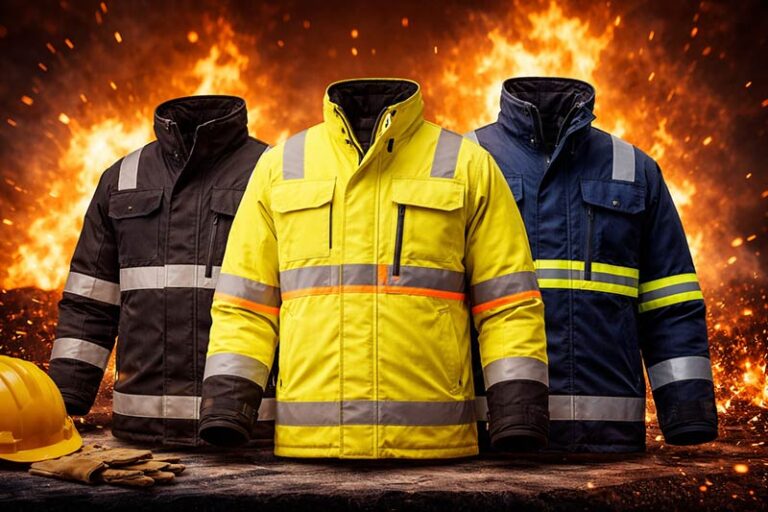
How to Choose Fireproof Jacket for Industrial Safety
A practical framework for choosing fireproof jackets based on real fire hazards, fiber technology, safety standards, garment construction, and long-term durability.






Jack J. Chin is the official technical expert and senior consultant at Begoodtex. He holds a Master’s degree from the Institute of Silk Studies, College of Materials and Textiles, Zhejiang Sci-Tech University, and has also pursued advanced studies abroad. Jack has been granted 1 invention patent and over 20 utility model patents, reflecting his deep expertise in functional masterbatch technology and flame-retardant fiber co-spinning processes.
He is proficient in applying masterbatch blending and spinning technologies to impart flame-retardant properties to fibers in a stable and eco-friendly manner, achieving a balance between performance, durability, and sustainability. With comprehensive research and practical experience in global textile testing standards (AATCC, ASTM, ISO, EN, JIS, GB/T), Jack has an exceptional understanding of international technical requirements and compliance frameworks.
In recognition of his continued innovation and outstanding contributions to the field of functional textiles, Jack received the “Outstanding Achievement Award” from the China National Textile and Apparel Council in 2018.At Begoodtex, he is dedicated to advancing the research and industrialization of high-performance flame-retardant and functional textiles, embodying the company’s core values of safety, innovation, and environmental responsibility.
A practical framework for choosing fireproof jackets based on real fire hazards, fiber technology, safety standards, garment construction, and long-term durability.

This article explains fire safety standards, material performance, and application requirements for flame retardant tent fabrics used in events, military, medical, and emergency shelters.

This article analyzes nursing home fire risks and explains the technical advantages of Begoodtex IFR fabrics in preventing fire spread and smoke toxicity.
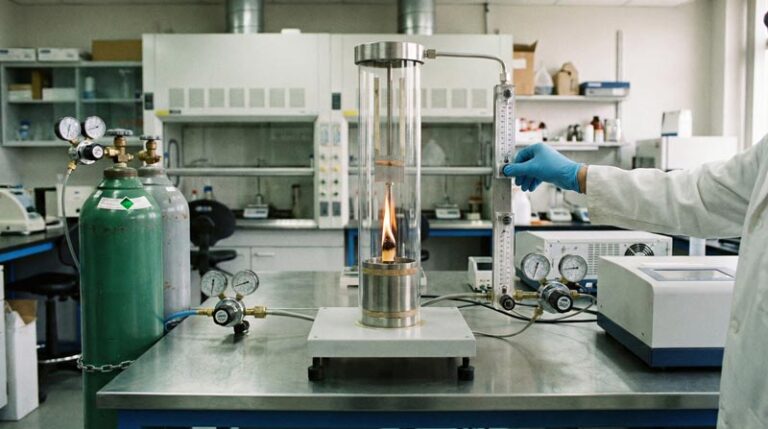
LOI is the minimum oxygen concentration needed to sustain combustion. This guide analyzes LOI values, testing standards, and the safety logic of IFR fabrics.
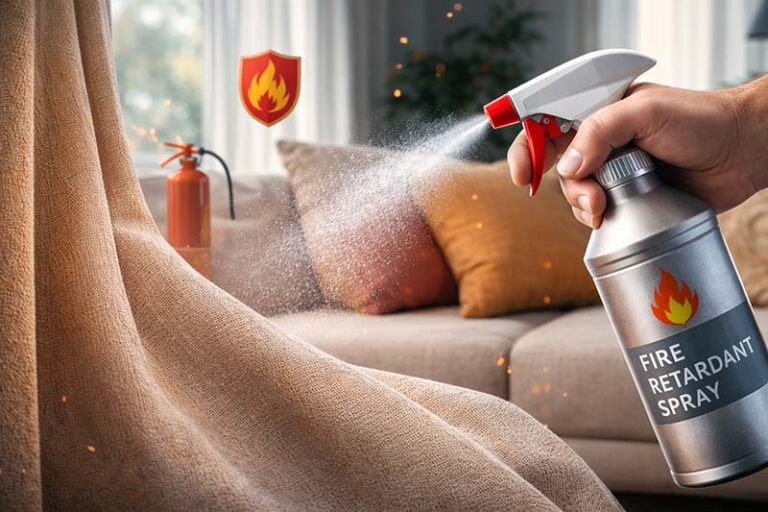
Fire retardant spray is one of the most common “quick fixes” in facility management. You pick up a bottle, mist…
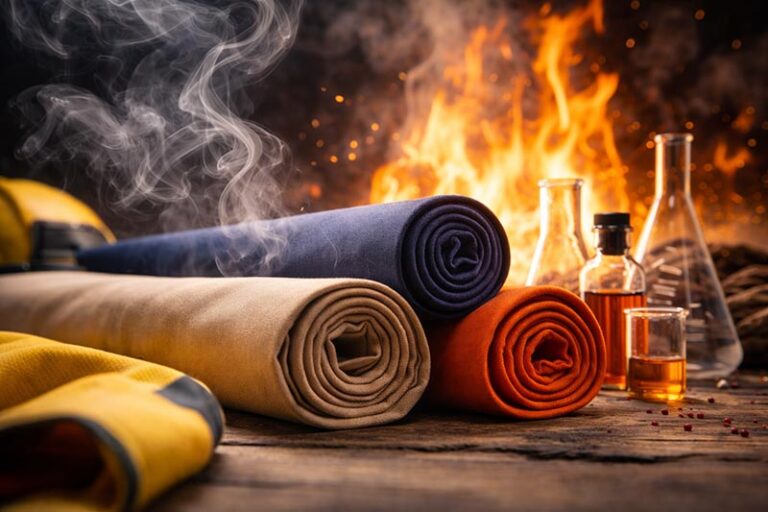
This article examines FR safety, distinguishing halogens from non-toxic inherent fibers. It covers skin safety, smoke toxicity, durability, and NFPA 701 standards.
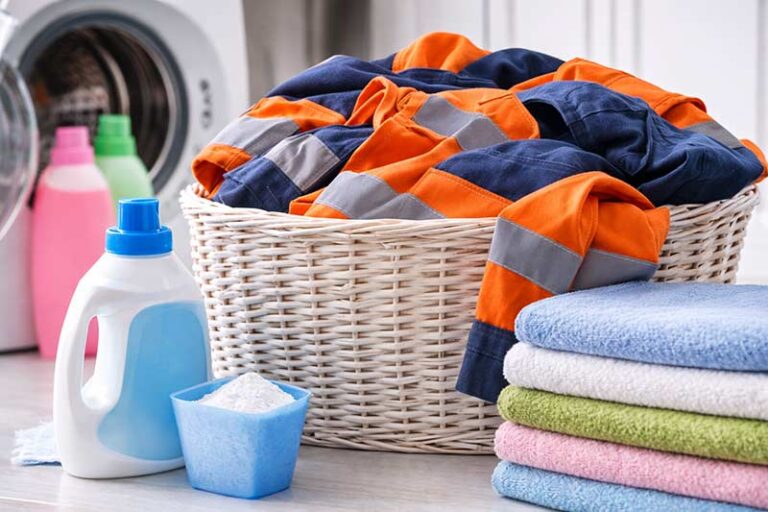
This technical guide explains FR garment maintenance, detergent selection, and the impact of industrial vs. home laundering on safety and durability.
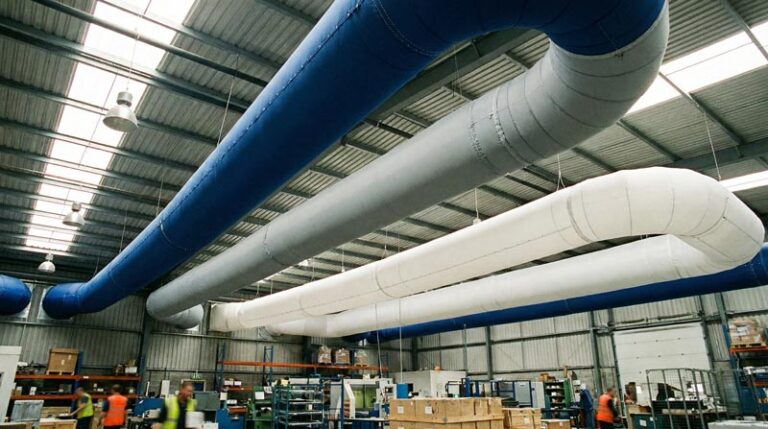
This article details the physical and fire-resistant specs of Begoodtex ducts, including 1300N strength , 90.3% bio-reduction , and permeability.

This article analyzes FR seat fabric selection for rail transit, focusing on safety standards, fiber technology, mechanical durability, and global compliance.

Technical analysis of flame retardant textiles for vehicle interiors, focusing on global safety standards, smoke toxicity, and physical performance.
Focused on flame retardant textile development since 2013.
Supports fabric development, sample testing and internal performance checks.
Product-specific test reports available for different markets and applications.
Samples, customization, confirmed specifications and bulk production support.
