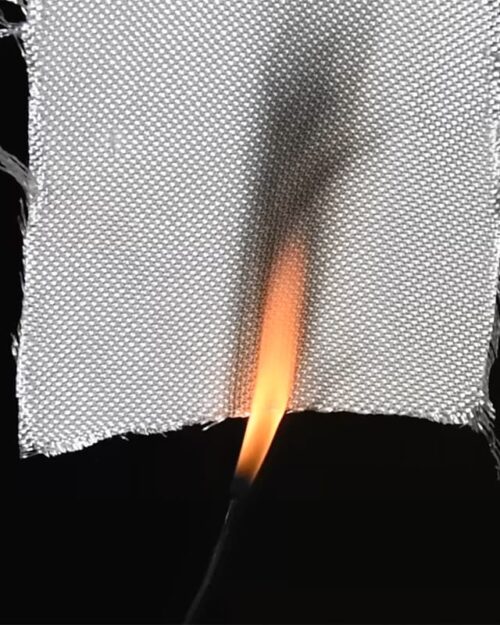
What Is IFR + Non-Conductive Fabric?
IFR + Non-Conductive Fabric refers to flame-resistant technical textiles designed for applications where low electrical conductivity or electrical insulation is required in addition to fire or heat protection.
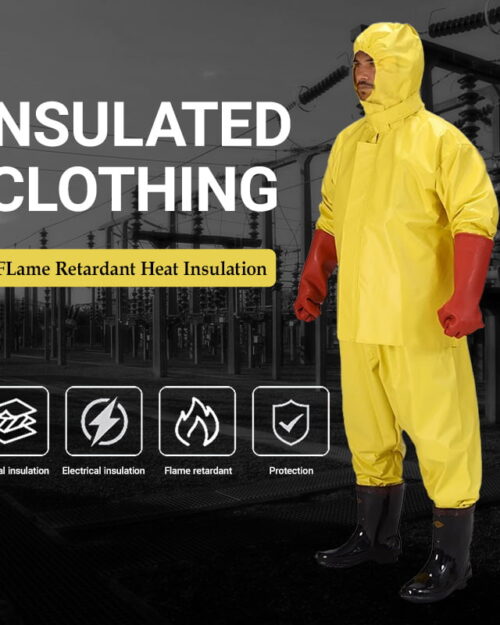
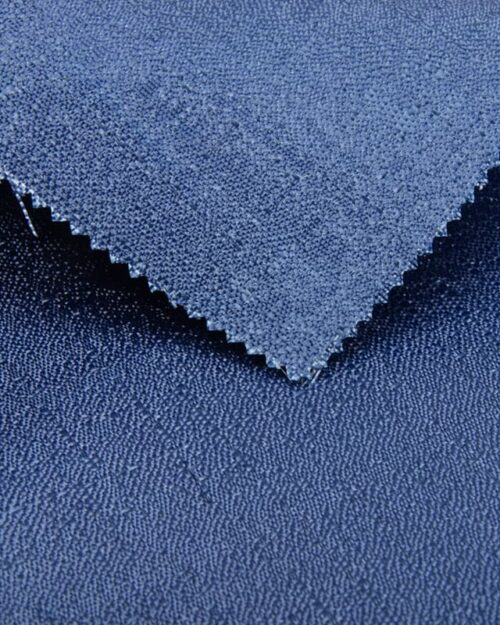
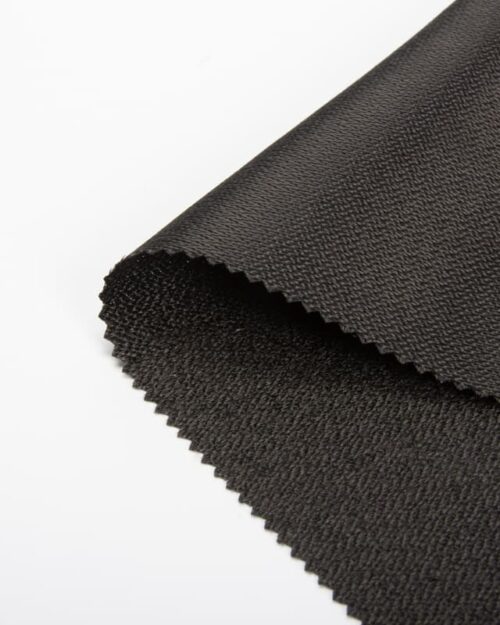
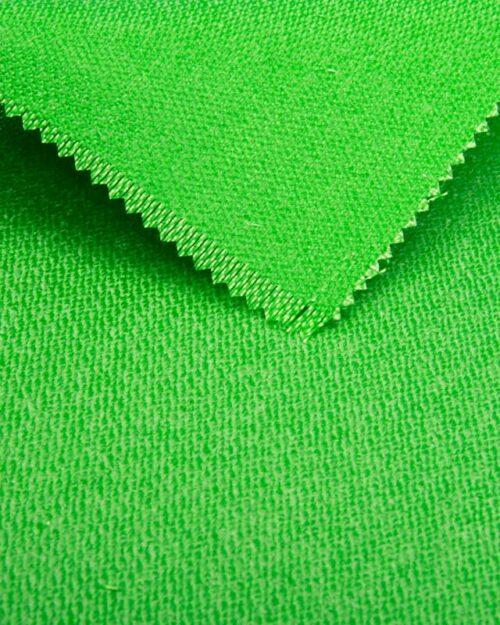
BEGOODTEX's current range includes fiberglass fabrics, Polyimide insulation felt, Aramid insulation materials, and specialized EVA electrical-insulation protective clothing.
Non-Conductive vs. Anti-static Fabric
These two functions should not be confused.
Anti-static fabric helps accumulated electrostatic charge dissipate through controlled conductive pathways.
Non-Conductive material is selected when the objective is to resist electrical current flow and provide insulation between the user, equipment, or surrounding environment.
For this reason, conductive yarns used in Anti-static fabrics are not automatically suitable for electrical-insulation applications.
Which Materials Are Used for Non-Conductive Protection?
The material depends on the temperature, voltage, mechanical, and structural requirements of the project.
BEGOODTEX currently offers fiberglass for high-temperature insulation and fire barriers, Polyimide felt for high-temperature and electrical-insulation applications, and specialized EVA composite material for electrical protective clothing.
For example, BG-L30-702 Polyimide felt is designed for continuous use around 260°C and is described for electrical insulation, aerospace, and industrial applications.
Where Is IFR + Non-Conductive Material Used?
Typical applications include electrical protective equipment, insulation layers, equipment covers, aerospace components, industrial fire barriers, thermal insulation systems, power maintenance, and other technical protection applications.
BEGOODTEX also currently offers a three-layer EVA protective suit designed for electrical work at 1000V AC and below.
Does Flame Resistance Mean Electrical Insulation?
No.
A fabric passing a flame or heat standard does not automatically prove electrical-insulation performance. Flame resistance, arc protection, anti-static performance, and electrical insulation address different hazards and must be evaluated separately.
For electrical projects, buyers should confirm the rated voltage, insulation construction, electrical test documentation, flame/heat protection requirements, and complete PPE system for the exact product.
What Standards Can IFR + Non-Conductive Materials Meet?
The applicable standards vary significantly by material and application.
Selected BEGOODTEX Polyimide and Aramid insulation materials currently list standards such as ASTM F1506, EN ISO 11611, EN ISO 11612, EN ISO 14116, FAR 25.853, and NFPA 2112, while high-silica fiberglass products can support EN 13501-1 A2-s1,d0 for specific fire-performance applications.
The BEGOODTEX 1000V EVA insulation suit currently lists ASTM F1506, EN 1149-5, EN ISO 11612, and NFPA 2112, but its electrical-insulation capability should be confirmed separately through the product's voltage-specific documentation.