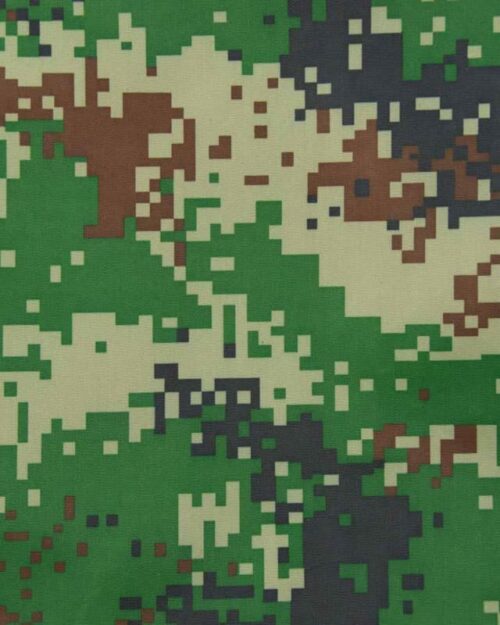
What Is IFR + AntiUV Fabric?
IFR + AntiUV Fabric combines inherent flame retardancy with ultraviolet protection in one textile. The flame retardant property comes from the FR fiber itself, while UV protection can be enhanced through the fiber, fabric construction, or UV-resistant functional finishing.
BEGOODTEX FRAntiUV® fabrics are designed to provide permanent flame resistance together with high UV protection for outdoor, apparel, and interior textile applications.
What Does UPF 50+ Mean for Fabric?
UPF, or Ultraviolet Protection Factor, measures how effectively a textile limits ultraviolet radiation passing through the fabric.
BEGOODTEX IFR + AntiUV fabrics are available with UPF 50+ performance, with the current function page describing UV blocking of more than 97%. Actual protection depends on the fabric construction, color, density, finishing, and test method.
Does UV Protection Last After Washing?
UV-protection durability depends on how the protective function is created and on the laundering conditions.
BEGOODTEX states that selected FRAntiUV® fabrics can retain more than 85% UV protection after repeated washing. For B2B projects, buyers should confirm the original UPF result, number of wash cycles, laundering method, and post-wash UV test for the exact fabric.
Where Is IFR + AntiUV Fabric Used?
Typical applications include outdoor workwear, high-altitude garments, sunshades, curtains, blinds, outdoor textile products, and other applications with prolonged sunlight exposure.
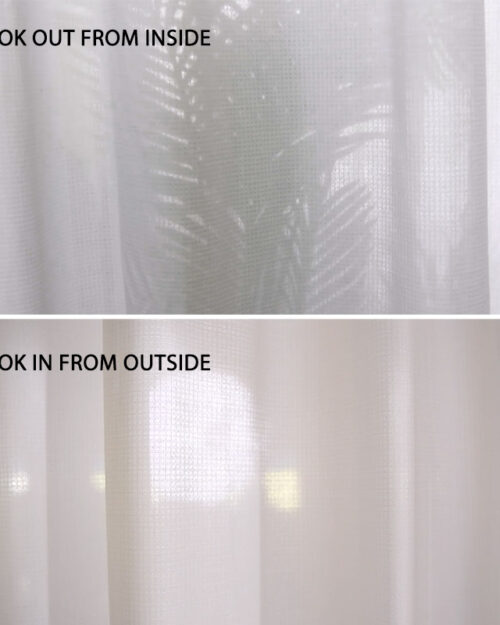
For curtain projects, AntiUV can also be combined with functions such as blackout, fade resistance, and sound reduction. BEGOODTEX currently offers 300 cm inherent FR polyester curtain fabrics combining IFR, AntiUV, Blackout, and other functions.
UV Protection Standards for AntiUV Fabric
UV protection and flame retardancy should be evaluated separately.
Common textile UV test methods include:
- AATCC 183 — UV transmission or blocking through fabrics
- EN 13758-1 — solar UV protective properties of apparel fabrics
- AS/NZS 4399 — sun-protective clothing evaluation and classification
- GB/T 18830 — assessment of UV protection of textiles
These methods evaluate factors such as UV transmittance and UPF. The appropriate standard should be selected according to the final product and target market.