Enter your details and we will send the requested document to your inbox.







Jack J. Chin is the official technical expert and senior consultant at Begoodtex. He holds a Master’s degree from the Institute of Silk Studies, College of Materials and Textiles, Zhejiang Sci-Tech University, and has also pursued advanced studies abroad. Jack has been granted 1 invention patent and over 20 utility model patents, reflecting his deep expertise in functional masterbatch technology and flame-retardant fiber co-spinning processes.
He is proficient in applying masterbatch blending and spinning technologies to impart flame-retardant properties to fibers in a stable and eco-friendly manner, achieving a balance between performance, durability, and sustainability. With comprehensive research and practical experience in global textile testing standards (AATCC, ASTM, ISO, EN, JIS, GB/T), Jack has an exceptional understanding of international technical requirements and compliance frameworks.
In recognition of his continued innovation and outstanding contributions to the field of functional textiles, Jack received the “Outstanding Achievement Award” from the China National Textile and Apparel Council in 2018.At Begoodtex, he is dedicated to advancing the research and industrialization of high-performance flame-retardant and functional textiles, embodying the company’s core values of safety, innovation, and environmental responsibility.

Waterproof breathable fabric explained: microporous, hydrophilic and hybrid technologies plus key types.

The commonly seen term “FR Fabric” stands for “Flame Retardant Fabric.” However, this article discusses an ambiguous aspect of “FR”…

Anti-static and conductive fabrics: how they dissipate static electricity and where they are used.

Wildfire Safety Tips Fire prevention awareness comes first, flame-retardant fabrics provide a shield. This guide will teach you how to…

Abstract. This article mainly introduces the importance of UV resistant fabrics, the principles and production processes of UV resistance, as well…

Abstract: This article mainly introduces the importance and production methods of antibacterial and deodorizing fabrics and textiles, the classification of different antibacterial…
The four main flame retardancy mechanisms in textiles: char formation, gas inhibition, cooling and intumescence.

Abstract: Based on the characteristics of poor permeability and flammability of ordinary polyester fabrics, this article will explore the processing technology…

Why are Flame Resistant Textiles so important? Let’s start with this news report: On December 24, 2024, the Eiffel Tower in Paris…
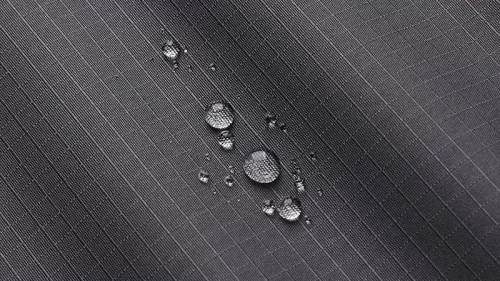
The Importance of Flame Retardant and Waterproof Properties in Fabrics Enhancing Safety Standards Through flame retardant waterproof fabrics, safety standards…
Focused on flame retardant textile development since 2013.
Supports fabric development, sample testing and internal performance checks.
Product-specific test reports available for different markets and applications.
Samples, customization, confirmed specifications and bulk production support.
