Enter your details and we will send the requested document to your inbox.





The best ways to prevent fire at home include never leaving cooking unattended, testing smoke alarms monthly, keeping space heaters 3 feet from combustibles, storing flammables safely, and adding flame-retardant fabrics to curtains, upholstery, and bedding for an extra layer of defense.
Most home fires are not freak accidents. They are the predictable result of a few recurring hazards — cooking, heating, and electrical faults — repeating themselves because the risk feels ordinary. The U.S. Fire Administration keeps flagging the same top causes year after year, and that is exactly why a fresh home fire safety checklist still earns its place in 2025. Understanding why a fire starts changes how you behave around a stove or a space heater. The goal is not to memorize a list but to build habits that quietly remove the most common ignition paths. One habit worth adopting early: choose a flame-retardant fabric for home safety for the textiles that sit closest to heat sources, so a small mistake buys you extra seconds instead of a flashover.
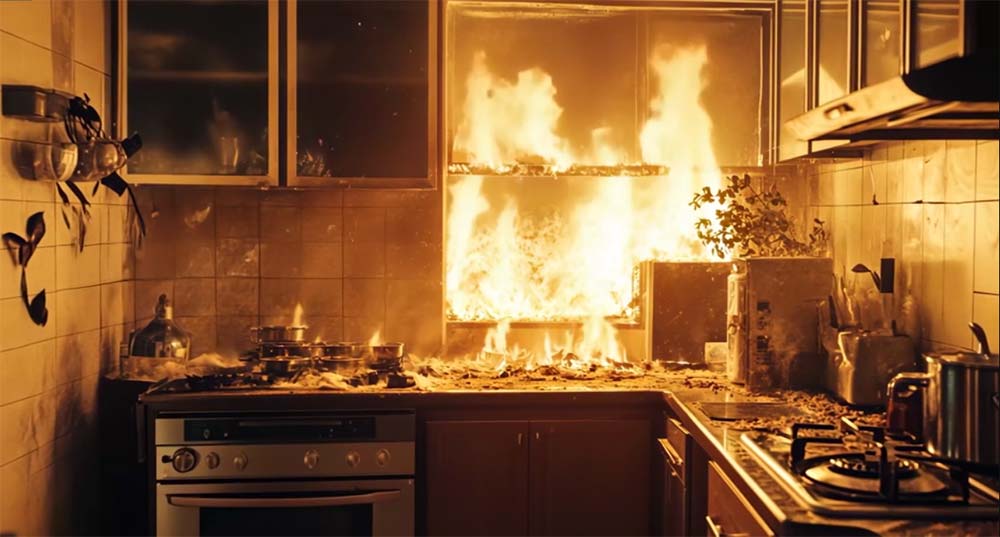
The kitchen is the single biggest fire risk in most homes. The U.S. Fire Administration names cooking as the leading cause of residential fires in 2024, and the pattern has held for years. A few disciplined habits eliminate the majority of that risk.
You walk away “for a second” to grab the phone, and a dry pan reaches its ignition point before you are back. Frying, broiling, and grilling demand your full attention — stay in the kitchen the entire time. For simmering or baking, a timer is your cheap insurance. If you must leave, turn the burner off.
Grease builds up quietly and ignites violently. If a pan catches fire, never throw water on it — water sinks through the oil, flashes to steam, and throws a fireball back at you. Slide a lid over the pan to cut off oxygen, then turn off the heat. For an oven fire, close the door and kill the heat. Keep dish towels, paper, and curtains well clear of the stovetop.
Use only microwave-safe containers; metal and unsuitable plastics arc and spark. Unplug small appliances when not in use to remove phantom loads and fault risk.
 Fireproof Oxidized PAN Gloves for Contract Protective Workwear Production from a China Textile Manufacturer | EN ISO 11612
 Flame Retardant Waterproof PVC Polyester Kitchen Apron for Protective Clothing with Bulk, Custom, and Export Supply Options | 65 × 75 cm
 Fireproof Custom Cooking Apron with Anti-Static Protection for Global Supply from a China Textile Manufacturer | 80 × 70 cm | EN ISO 11612
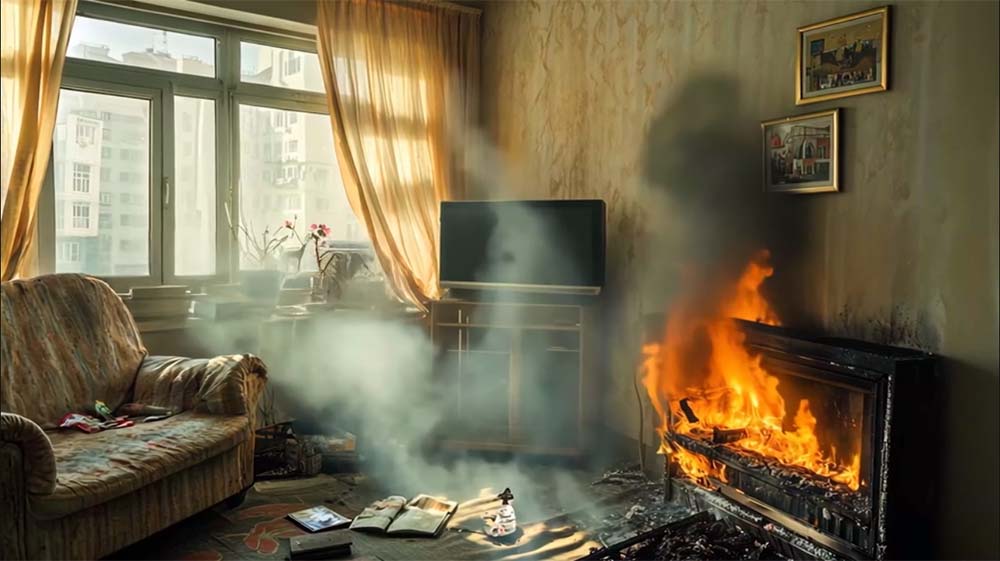
Heating equipment is the second-leading cause of home fire deaths, according to NFPA data from 2023. Cold months concentrate the danger, so this is where NFPA guidance matters most.
Portable heaters draw heavy current and overload easily. Enforce a “circle of safety” — nothing combustible within 3 feet. Pick a model with tip-over auto shutoff, and plug it directly into a wall outlet, never a power strip.
Have the furnace professionally inspected every year. Sweep the chimney annually to remove creosote, the flammable residue that builds up from burning wood.
Use a screen to catch sparks, burn only dry seasoned wood, and confirm the fire is fully out before bed.
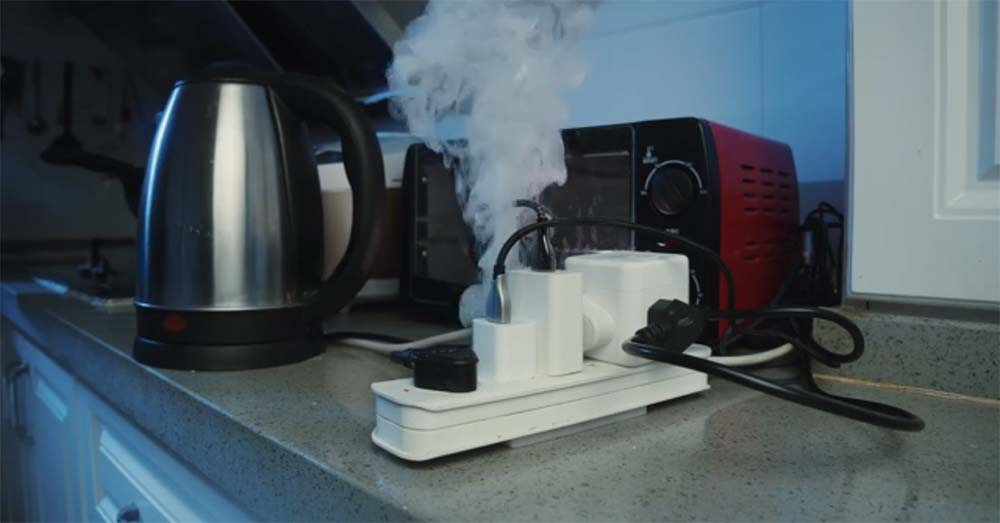
Electrical distribution and lighting equipment rank third among home fire causes (USFA, 2024). Think of a circuit like a road: overload it and the “traffic” overheats the wires until the insulation melts and ignites.
Warning signs you should never ignore: frequent breaker trips, flickering lights, a burning smell, or discolored, warm outlets. These mean the wiring is already stressed.
Extension cords are for temporary use only — never run them under rugs or leave them as permanent wiring. Use a surge-protected power strip with overload protection, and never daisy-chain strips together.
Older homes with aluminum wiring or knob-and-tube systems lack grounding and pose hidden risk. Repeated blown fuses, sparks at outlets, or shocks are red flags. This is not a DIY job — call a licensed electrician.
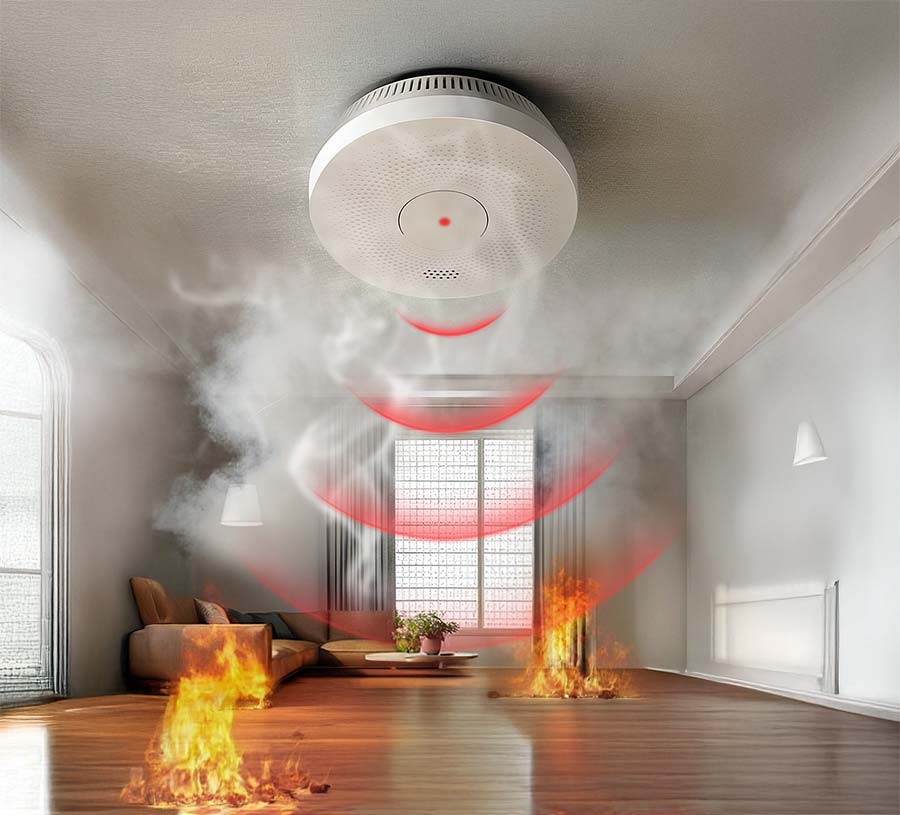
Working smoke alarms cut the risk of dying in a fire by about half (NFPA, 2021). A fire can turn deadly in roughly two minutes, so early warning is everything.
NFPA recommends alarms inside every bedroom, outside each sleeping area, and on every level. In larger homes, interconnected alarms alert the whole house at once.
| Task | Frequency |
| Test the alarm | Monthly |
| Replace batteries | At least once a year |
| Vacuum dust from the unit | Every 6 months |
| Replace the entire unit | Every 10 years |
| Sensor Type | Best Detects | Note |
| Ionization | Flaming fires | Reacts faster to open flames |
| Photoelectric | Smoldering fires | Better on slow, smoky starts |
| Dual-sensor / combination | Both | Recommended for most homes |
When sourcing compliant materials for your home or a client project, review NFPA-certified flame-retardancy reports to confirm a fabric meets the standard it claims.
Smoking materials are a leading cause of fatal fires because they smolder. A cigarette can burn in a mattress or sofa for hours before flames appear.
Never smoke in bed or while drowsy. That is when a dropped cigarette turns into a slow, unnoticed ignition.
Smoke outside when you can. Indoors, use a deep, non-tipping ashtray, douse butts with water before disposal, and check sofa crevices for buried embers.
NFPA counted an average of 21 candle fires per day in 2023, most from candles placed too close to something flammable.
Keep candles at least 1 foot from anything combustible, on a stable, heat-resistant surface, and blow them out before leaving the room.
Battery-powered LED candles give the glow without the open flame — an easy win for home fire safety.
Cleaning solvents, paints, gasoline, and propane are highly flammable. Their vapors can be ignited by a single spark from across the room.
Gasoline never belongs indoors. Store propane tanks outside, away from living spaces and ignition sources.
Linseed-oil rags self-heat and can spontaneously combust. Lay them flat to dry or submerge in water inside a sealed metal container, then contact local hazardous-waste disposal.
A plan nobody practices is just a drawing. Make yours real.
Every room needs two ways out. Second floors should have a retractable escape ladder staged and ready.
NFPA recommends at least two drills a year. Crawl low under smoke, and once you are out, stay out — never go back for belongings. The Ready.gov home fire escape guidance is a solid template to adapt.
Choose a fixed outdoor spot — a mailbox, a neighbor’s tree — and confirm everyone is accounted for there.
Keep the grill well away from siding and eaves, clean grease buildup, and check propane lines for leaks with soapy water before lighting.
Keep a real tree watered so it does not dry out, inspect light strings for damage, avoid overloading outlets, and switch decorations off before bed.
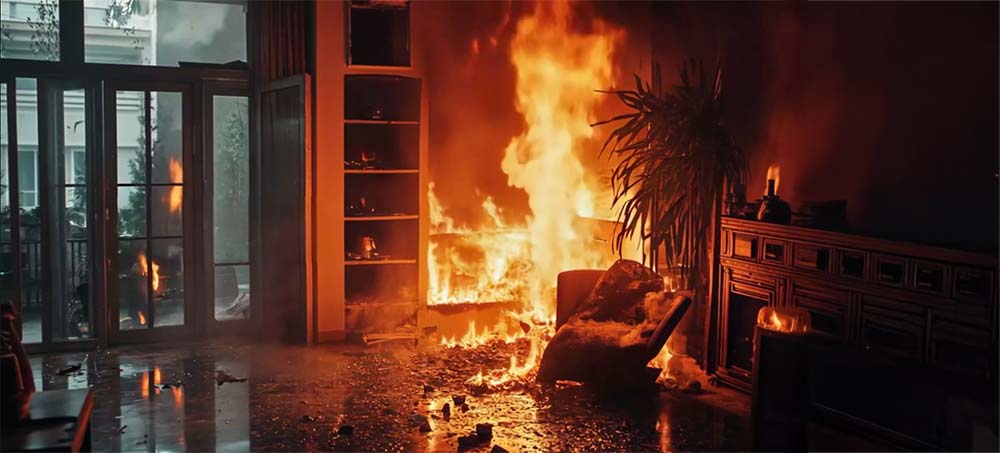
Untreated cotton and linen catch quickly; polyester can melt and drip. In a fire, a room can reach flashover — total simultaneous ignition — in minutes. That is where textiles enter the story.
Curtains, sofas, and bedding sit close to the most common ignition sources. Standard fabrics do little but feed the flame.
IFR fibers carry flame resistance in their chemical structure, so it does not wash out. A flame-retardant blackout curtain fabric slows ignition at the window, while inherently flame-retardant (IFR) upholstery adds the passive defense layer right where people sit. For the bedroom, flame-retardant bedding extends that same protection to mattresses and linens. These materials meet standards such as NFPA 701, buying precious seconds to escape.
This is how you prevent fire at home with more than hope — you stack the odds.
Cooking, heating equipment, and electrical faults cause the majority of home fires. Most are preventable with routine home fire safety habits and early detection.
Test smoke alarms monthly and replace batteries at least once a year. Working alarms cut fire death risk by roughly half.
Yes—flame-retardant (IFR) fabrics slow ignition and limit spread on curtains, upholstery, and bedding, adding a passive defense layer beyond alarms and extinguishers.
Two exits per room, a designated outdoor meeting point, and a practiced drill twice a year so everyone can escape in under two minutes.
Stay in the kitchen while cooking, keep combustibles away from the stove, and keep a lid nearby to smother grease fires—never use water.
No. Keep heaters 3 feet from flammables and turn them off when you leave or sleep to prevent fire at home during colder months.
Combine smart alarms, electrical inspections, and flame-retardant materials with the classic checklist—layered prevention outperforms any single device.
No single gadget makes a home fireproof. The homes that stay safe are the ones where prevention, detection, response, and mitigation work together — and where flame-retardant textiles quietly raise the bar on every window and sofa. Run the checklist once, then fold it into the rhythm of daily life so the habits do the work for you. If you stage performances or events, even inherent flame-retardant theater backdrop curtains extend that same layered thinking to the room itself.