Enter your details and we will send the requested document to your inbox.



Last year, a regional theatre in Melbourne ripped out every stage curtain days before opening night. Their “flame-retardant” fabric had passed AS 1530.2 testing at installation. After months of humidity and one dry-clean cycle, it failed re-testing with a Flammability…
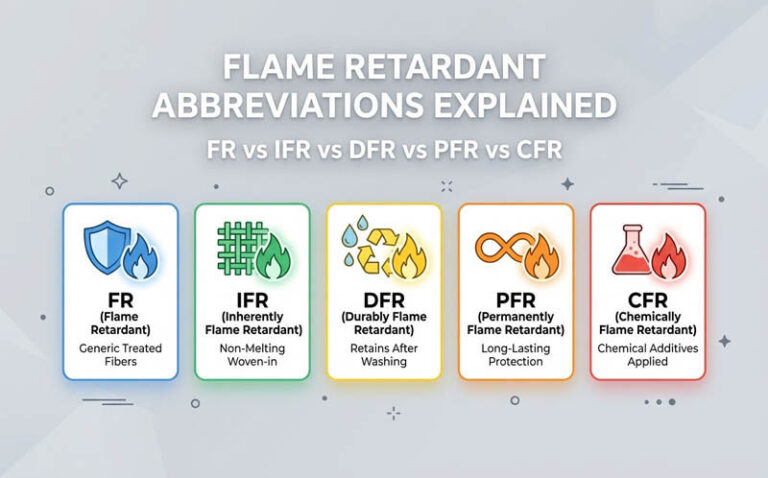
When sourcing flame-retardant fabrics, many buyers feel confused the first time they see a technical specification sheet. FR, IFR, DFR, PFR, CFR — they all seem related to flame retardancy, but in real projects, these abbreviations can mean very different things.…

One spark can lead to disaster if your gear is soaked in oil. Discover how integrated FR and oil-repellent fabrics provide the protection your team needs.

For many buyers, fire resistant (FR) fabrics are still associated with stiffness, rough texture, and a plastic-like feel. This perception often becomes a barrier when FR fabrics are required for applications where comfort, aesthetics, and user experience matter just as…
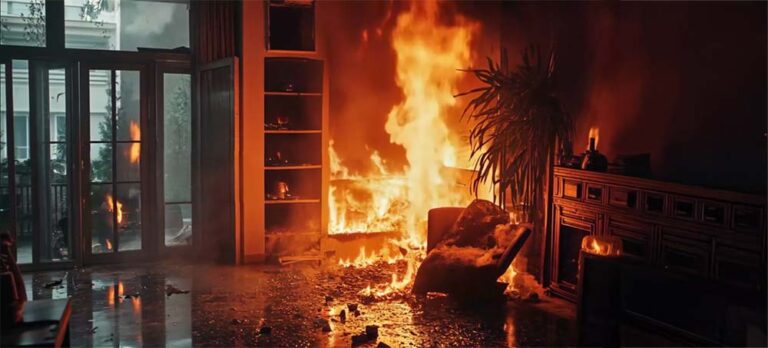
Learn how to prevent fire at home with practical tips for cooking, heaters, electrical safety, smoke alarms, escape plans, and flame-retardant fabrics.

Summary This article systematically explores the complex issue of how to determine whether a fabric possesses flame retardant properties. Firstly, it explains how to obtain preliminary reliable information by checking product certification labels and conformity declarations. The article then analyzes…

Flame-retardant fabrics or textiles are not fireproof; instead, they are treated with flame-retardant finishes that inhibit the continuous spread of flames or cause charring in the area exposed to fire. These fabrics do not sustain burning after the flame source…

Wildfire Safety Tips Fire prevention awareness comes first, flame-retardant fabrics provide a shield. This guide will teach you how to protect your life and property when fire strikes. Introduction Recently, Los Angeles experienced a devastating wildfire. As of July 10th,…

Discover truly non-flammable fabric types, fire ratings (NFPA, EN, BS) and the right uses for each.

With dry weather and rising fire risks, fire safety has become a key focus in daily life. According to relevant data, household fires are the leading cause of fires overall. In recent years, frequent household fire incidents have been devastating,…

Decode FR fabric codes: FR, IFR, DFR, PFR and NFR. Learn what each rating means for safety and procurement.
Focused on flame retardant textile development since 2013.
Supports fabric development, sample testing and internal performance checks.
Product-specific test reports available for different markets and applications.
Samples, customization, confirmed specifications and bulk production support.
