Get in touch
Thank you for reaching out! Please tell us more about your needs — our expert team will get back to you within 24 hours.




Flame-retardant textiles have moved from a niche specialty to a default safety requirement across industries. As global attention to public and industrial safety tightens, buyers, designers, and safety managers can no longer treat fire performance as an afterthought. Understanding where and why these fabrics are specified is the first step to compliant, defensible sourcing.
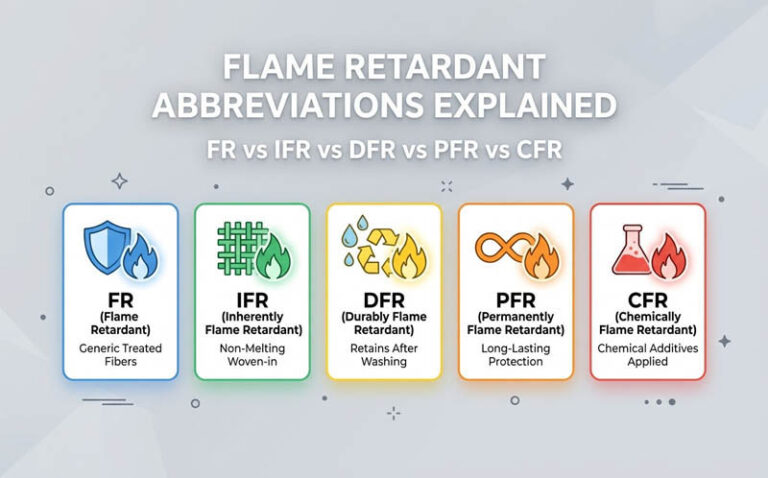
In this expert guide we walk through seven core application sectors, the standards that govern each, and the practical trade-offs between inherently flame-retardant (IFR) and topically treated (TFR) technologies — so you can match the right fabric to the right code before you buy.
Featured snippet: Flame retardant fabrics are used in hospitality, exhibitions, healthcare, transport, public institutions, industrial protection, and home furnishings. Each sector follows region-specific standards such as NFPA 701 (US drapes), BS 5867 (UK curtains), EN 45545-2 (rail), and NFPA 2112 (industrial garments).
A fire-loaded space fails on two fronts at once: life safety and liability. Curtains, upholstery, and bedding are among the first items to ignite and the fastest to spread flame. Specifying certified flame retardant fabric is no longer a premium option — in most commercial and public environments it is the code.
The practical payoff is straightforward: slower flame spread buys evacuation time, lower smoke toxicity protects occupants, and documented compliance protects the specifier when inspections or incidents occur.
 Flame Retardant Linen Look Dimout Curtain Fabric 95% Light Blocking for Hotel Drapery
 Flame Retardant Sheer Curtain Fabric for Hotel Layered Drapery 95 g/m² 280 cm Bulk OEM
 White Sheer Curtain Fabric for Hotel Drapery Flame Retardant 50 g/m² 280 cm Bulk OEM
Before the detail, here is the map of the seven sectors this guide covers:
Hotels must fuse safety with the look of luxury. Draperies in atria, bedding in guest rooms, and lobby upholstery all sit inside the building’s fire-load calculation.
Buyers usually start with NFPA 701 compliant bedding sets or review hotel flame retardant curtain options before finalizing specifications.

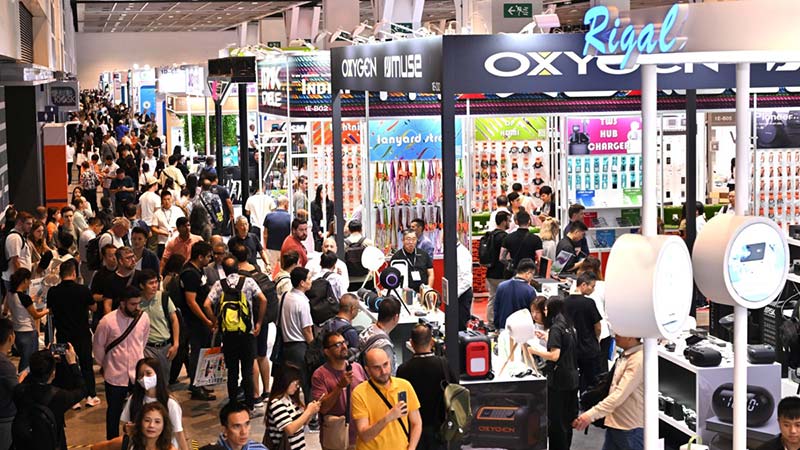
Temporary structures concentrate combustibles and people in one place, often with short setup windows and no permanent suppression systems. Lightweight, certified drapes are non-negotiable.
For events, NFPA 701 stage and event drapes cover both backdrop and perimeter needs in one certified cloth.
Vulnerable occupants and 24/7 occupancy raise the bar. Wash-durable FR is not a nice-to-have; it is the operating assumption.
Specify FR medical curtain fabrics or read why FR medical curtains matter before a hospital fit-out.

Confined, moving spaces leave no margin for an escape route. Heat release and smoke toxicity — not just ignition — drive the rules.
EN 45545 train seat fabrics are engineered for the smoke-toxicity and heat-release limits rail authorities enforce.

Public buildings carry demonstration value and frequent inspection. A non-compliant auditorium drape is a headline risk.
The full EU, US, and China testing standards comparison helps procurement teams map local codes to the right fabric.

Here there is no compromise. The fabric is personal protective equipment, not décor.
NFPA 2112 aramid-blend fabrics and military flame resistant fabrics cover the extreme end of the spec range.

Professional safety is now entering daily life — especially in multi-unit housing and child bedrooms.
Explore fire retardant upholstery fabric for residential specs that balance look and compliance.
| Standard | Region | Core Applications |
| NFPA 701 | US, Canada | Curtains, drapes, stage, medical privacy |
| BS 5867 Part 2 | UK, EU | Curtains, drapes (Type C: hotels, hospitals) |
| DIN 4102-B1 / M1 | Germany / France | Exhibition, public interiors |
| BS 5852 / BS 7175 | UK | Upholstery, mattresses |
| CFR 1615/1616 | US | Children’s sleepwear |
| NFPA 2112 / EN ISO 11612 | US / EU | Industrial protective clothing |
| FAR 25.853 / EN 45545-2 | Global / EU | Aircraft / rail interiors |
Source: NFPA and regional code bodies.
Inherently flame-retardant (IFR) fibers carry FR properties for the life of the textile. Topically treated (TFR) fabrics rely on a chemical finish that can wash or abrade out over time.
As a rule of thumb: specify IFR wherever the fabric is washed, exposed to sunlight, or expected to last years; TFR is acceptable for short-life, low-wash decorative use.

On single-unit procurement cost, IFR is usually higher because the FR property is built into the fiber. But over the product’s life — accounting for wash durability, re-certification, and replacement — IFR often proves more cost-effective, especially in healthcare and transport.
That is an outdated assumption. Modern modified-polyester velvet and chenille made with IFR fibers still deliver a soft, luxurious hand. FR performance no longer means sacrificing comfort.
Ask for a complete test report issued by an authoritative third-party laboratory such as SGS, TUV, or ITS, matched to the exact product and standard. You can review Begoodtex’s certification and test reports as a reference for what a valid report looks like.
Mainstream FR technologies have moved away from hazardous chemistries. Choosing eco-friendly, GRS-certified flame-retardant fabrics addresses both health and sustainability concerns.
This is a common misconception. Color has no direct relationship with flame-retardant performance; FR behavior comes from the fiber or treatment, not the dye.
Consumer-grade sprays give uneven, non-durable, and non-compliant coverage. For any regulated environment, DIY treatment is inadvisable, non-compliant, and unsafe. Use certified FR textiles instead.
No. Flame-retardant means the material inhibits the spread of flames and self-extinguishes under defined test conditions. It is not immune to fire — it buys time and limits spread.
Seven sectors, one principle: specify FR fabrics against the right standard for the environment, not the cheapest cloth on the shelf. Start from the full flame retardant fabric range and match the code before the color.
IFR vs Treated FR: Which One Should You Choose?
Flame Retardant Stage Curtains: The Complete Guide
Fire Retardant Upholstery Fabric: How It Works and Why It Matters