Enter your details and we will send the requested document to your inbox.





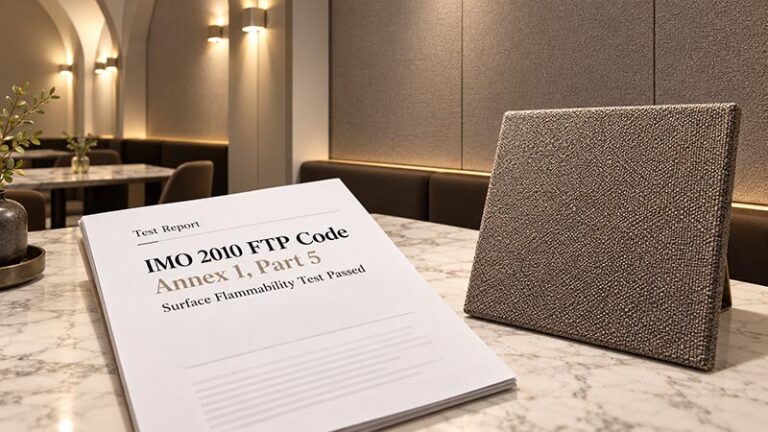
Need safe acoustic fabrics? Our flame retardant acoustic fabric passed the rigorous SGS IMO test with zero flaming droplets. Read the full data!

Why source from a flame retardant fabric manufacturer near Shanghai? Compare logistics, textile clusters, testing support and project supply for global buyers.

A buyer once told me he skipped FR curtains for a hotel lobby because “they must be hot and stiff.” That assumption cost him a redesign six months later when the fire marshal required compliant drapery. The truth is more…

Last year, a regional theatre in Melbourne ripped out every stage curtain days before opening night. Their “flame-retardant” fabric had passed AS 1530.2 testing at installation. After months of humidity and one dry-clean cycle, it failed re-testing with a Flammability…

Discover how flame retardant fabrics upgrade pet beds and blankets. Learn key FR standards, material choices, and safe retail positioning guidelines.
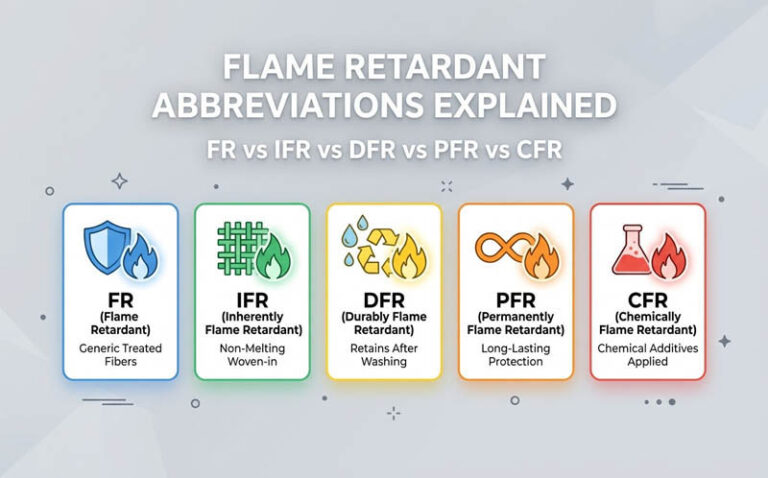
When sourcing flame-retardant fabrics, many buyers feel confused the first time they see a technical specification sheet. FR, IFR, DFR, PFR, CFR — they all seem related to flame retardancy, but in real projects, these abbreviations can mean very different things.…
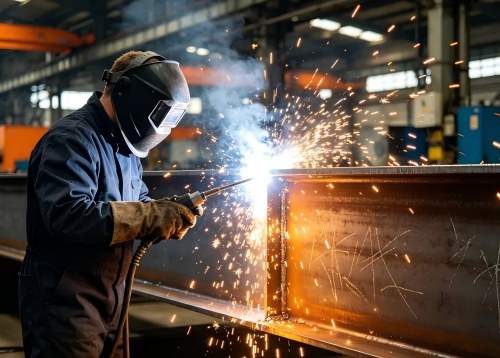
Welding clothes are different from work clothes. Normal work clothes need to be strong, easy to clean and resistant to dirt.. Welding clothes have to protect against sparks, hot metal splashes, heat and sometimes oil, water or even electrical flashes. On…
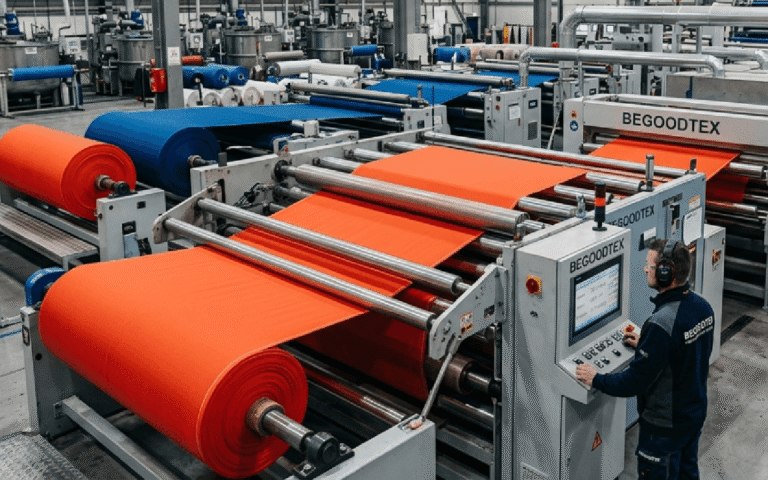
Many buyers ask the same question: “Can we start with just 100 meters?” For sampling or early development, this is easy to understand. But flame-retardant fabric is not the same as ordinary fabric. If the fabric is in stock, small quantities may…

Selling curtains or tents in the US? Compliance with NFPA 701 is mandatory for public spaces. This guide explains the test methods, the difference between IFR and treated fabrics, and how to ensure your products pass inspection.

Selling curtains to Europe? EN 13773 Class 1 is the mandatory safety benchmark. This guide explains the classification system, how it compares to M1/B1.
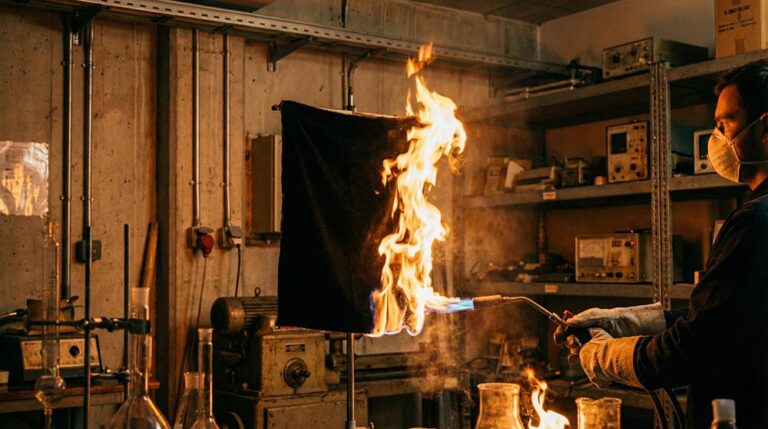
Need curtains for the NHS or care homes? Understand the mandatory BS 5867-2 Type C standard.

Master Limited Flame Spread Protection with our EN ISO 14116 guide. Learn the vital Index 1, 2, and 3 differences

Does Viscose burn easily? This deep dive reveals the truth about standard versus FR Viscose. We analyze the science of flame retardancy, compare it with Aramid and Modacrylic, and help you choose the right fabric for safety and comfort. Read on to master the facts!

Summary This article systematically explores the complex issue of how to determine whether a fabric possesses flame retardant properties. Firstly, it explains how to obtain preliminary reliable information by checking product certification labels and conformity declarations. The article then analyzes…

A practical overview of flame retardant fabric applications across industries, from theaters to oil rigs.
Focused on flame retardant textile development since 2013.
Supports fabric development, sample testing and internal performance checks.
Product-specific test reports available for different markets and applications.
Samples, customization, confirmed specifications and bulk production support.
