Enter your details and we will send the requested document to your inbox.





Flame retardant mesh fabric is a textile with flame-resistant properties and a breathable, mesh-like structure that combines fire protection with lightweight comfort. Typically built from polyester, nylon, or composite fibers, it is widely used wherever industrial safety, airflow, and visibility must coexist—protective clothing, safety barriers, equipment covers, and filtration. This guide walks buyers, product designers, and safety managers through what flame retardant mesh fabric is, how it performs, which type fits which job, and how to specify it with confidence.
Featured Snippet: Flame retardant mesh fabric is a breathable, lightweight textile engineered to resist ignition and slow flame spread. Used in industrial safety barriers, protective clothing, and equipment covers, it pairs fire protection with airflow—keeping workers cooler while meeting standards such as NFPA and EN ISO 11612.
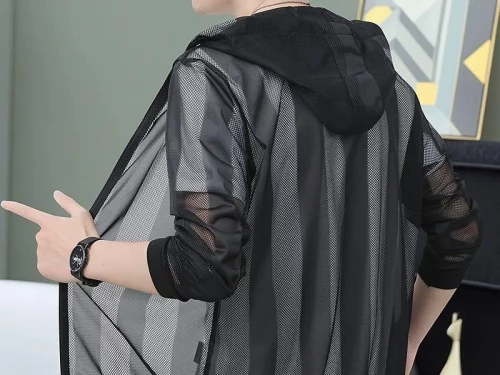
Flame retardant mesh fabric is a woven or knitted textile whose open, grid-like construction lets air and light pass through while the fibers themselves resist catching fire. The “flame retardant” property comes from either inherently flame-resistant (IFR) fibers or from halogen-free chemical treatments applied to standard fibers. Because the mesh structure removes solid material, the fabric stays light and airy—ideal for hot, enclosed, or high-activity industrial environments where a solid FR panel would trap heat.
BEGOODTEX develops halogen-free flame retardant technology that forms a protective char layer on the fiber surface instead of relying on heavy coatings. The result is a fabric that protects people and equipment without the weight, stiffness, or toxic smoke associated with older halogen-based systems.
FR mesh fabric achieves its fire resistance through halogen-free flame retardants—typically nitrogen-phosphorus-based agents—that form a protective film on the fiber surface, slowing combustion and limiting flame spread. Compared with traditional halogen-based retardants, halogen-free options stay stable at higher temperatures: they hold effectiveness above 500°C, while halogen-based agents typically fail around 300°C and can release toxic gases as they break down.
Mesh size directly drives airflow. Many high-performance FR fabrics use elastic-and-polyester composites that are both breathable and thermally insulating, ensuring good circulation and preventing heat buildup in high-temperature workspaces. For workers in foundries, kitchens, or confined machinery rooms, that airflow is the difference between tolerable shifts and heat-stress risk.
Quality FR mesh offers tensile strength of 50–70 N and tear resistance above 50 N, so it survives stretching, friction, and repeated handling in harsh conditions. Anti-static treatments dissipate charge from friction, reducing both fiber damage and spark risk near flammable materials. These properties are why the fabric shows up in outdoor backpacks, military vests, and protective clothing that must endure abuse.
Low-density fibers keep FR mesh light—usually 60–200 g/m², with some grades exceeding 300 gsm—while the mesh structure trims weight further without sacrificing breathability. Against traditional solid fire-resistant textiles, mesh is lighter and thinner, which pays off in comfort during long, high-intensity shifts.
The mesh opening controls light transmission. Larger apertures block insects and debris while maximizing visibility and airflow (think mosquito nets and protective covers); smaller apertures add privacy for safety barriers and partitions. This tunability lets specifiers balance “see-through” against “shielded” for each application.

The same transparency that aids visibility can undermine privacy where full opacity or confidentiality is required. In those cases, pair mesh with a liner or choose a denser FR textile.
Open structures catch on sharp edges and hardware. Handle and install mesh away from burrs, and avoid over-stretching during fitting to prevent runs or tears.
Where complete flame resistance or extra strength is mandated, FR mesh may need a bonded liner to reach the required performance envelope. Factor the liner into both specification and budget.
The most common type—excellent flame retardancy and abrasion resistance—used in clothing, home textiles, and industrial goods: sportswear, backpack linings, shoe materials, filter fabrics, outdoor chair netting, window screens, and medical bandages. For permanent, wash-durable performance, inherently flame retardant polyester outperforms treated equivalents because the property is built into the fiber, not applied to the surface.

More durable than polyester, nylon suits high-strength needs: firefighting suits, protective clothing, luggage, military vests, helmet padding, outdoor gear, and swimwear linings. It handles repeated stress better where abrasion is the dominant hazard.

Strong chemical resistance makes polypropylene the pick for corrosive settings—medical filtration (masks, protective covers), food-grade filters, chemical filtration nets, and agricultural cover nets.

Excellent high-temperature resistance puts fiberglass mesh in metallurgy, exterior wall insulation, tile and marble backing, crack reinforcement, and roof waterproofing—anywhere heat would melt organic fibers.

Superior heat and abrasion resistance earns metal mesh a place in extreme conditions: industrial filtration, screening equipment, architectural decoration, vent covers, rodent and bird protection, and electromagnetic shielding.

Elastic spandex mesh serves stretch-dependent products—sportswear, stage costumes, fitness apparel, shapewear, underwear, leggings, and medical support bands used in high-temperature environments.

BEGOODTEX FR mesh uses halogen-free retardants to cut pollution and meets international environmental standards. Recyclable and biodegradable fibers—recycled polyester and natural fibers—keep the fabric eco-friendly, and it holds B2 flame-retardant performance through 30+ washes. High-strength polyester-nylon composites add tensile strength (up to 20% stretch) and tear resistance (up to 50 N) for long-term durability in harsh conditions.
The fabric complies with OEKO-TEX Standard 100 for harmful-substance limits and carries the Global Recycled Standard (GRS), confirming responsible recycled content. Buyers can request third-party FR test reports from accredited labs such as TÜV SÜD before purchase—a step we recommend for any regulated application.

Match the fabric to the hazard. High-temperature operations (metallurgy, chemical) call for heat-resistant, flame-spread-limiting grades—polyester-nylon blends for strength and heat. Industrial protective clothing should prioritize comfort and breathability via highly breathable polyester mesh.
Material dictates performance. Polyester is the common, high-abrasion choice for most industrial uses; nylon adds heat resistance and tensile strength for firefighting and high-temperature roles; fiberglass withstands up to 1000°C for metallurgy and firefighting. For an IFR polyester fabric range with permanent FR built in, start with the category index.
Smaller apertures give greater strength and flame resistance by limiting flame-spread paths—prefer them for construction or chemical manufacturing. Larger apertures suit screening and ventilation where visibility matters more than shielding.
 High-Performance Fireproof Aramid Mesh Fabric | 170cm | Firefighting Suit Lining
 Flame Retardant Elastic 3D Mesh Fabric Spacer Fabric
 Inherent Flame Retardant Mesh Fabric in White for Hotels – 100% Polyester
Anti-static performance matters in electronics and explosive-dust environments; it is achieved with conductive fibers or coatings that prevent static sparks. Specify it explicitly when the workplace carries ignition risk from static.
Washability drives lifetime cost. Insist on fabrics that keep FR properties through at least 30 washes; oil-resistant and easy-clean coatings cut downtime. Verify the wash claim with test data, not marketing copy.
Balance function and frequency. Basic FR polyester mesh covers general industrial needs on a tight budget; nylon-polyester composites add anti-static or UV resistance at modest extra cost. Plan spend around duty cycle, not just unit price.
It enhances safety by delivering both fire resistance and breathability—critical for workers in high fire-risk environments. Its lightweight build protects against flames while keeping the wearer cooler and more mobile than solid FR panels would allow.
Construction, firefighting, agriculture, military, and medical sectors gain the most, along with any operation where workers or equipment face high heat, fire, or hazardous chemicals.
Yes. It is common in firefighter suits, military vests, and outdoor gear, where the mix of fire resistance, durability, and comfort fits demanding protective roles. For medical settings, a flame retardant medical mesh fabric is purpose-built for screens and divider use.
For industrial and protective use, look for alignment with NFPA performance guidance, EN ISO 11612 (heat and flame), and OEKO-TEX Standard 100 for substance safety. The National Fire Protection Association (NFPA) publishes the referenced frameworks buyers should know.
Quality FR mesh from BEGOODTEX retains B2-level flame retardancy through 30+ wash cycles when cared for per spec. Always confirm the wash rating with supplier test reports before specifying for repeated-laundry programs.
Flame retardant mesh fabric earns its place in modern industrial safety by pairing fire protection with breathability, lightweight comfort, and real durability. From polyester and nylon to fiberglass and metal grades, the right mesh type matches the right hazard—and the right specification prevents both safety gaps and wasted spend. BEGOODTEX’s halogen-free, recyclable FR mesh meets OEKO-TEX and GRS expectations while holding performance through 30+ washes. To match a grade to your application, contact our FR fabric specialists for samples and TÜV SÜD test data.


