Enter your details and we will send the requested document to your inbox.






This guide covers velvet flammability, explaining how material types and pile structure affect fire risk. It includes safety standards and testing methods.
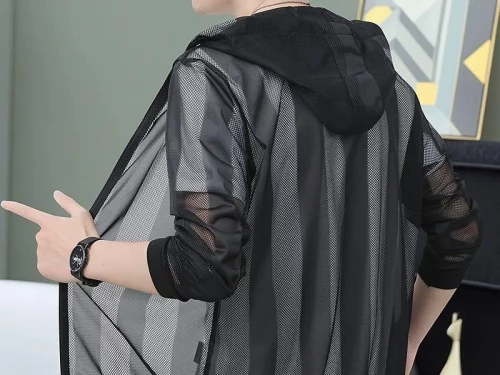
How flame retardant mesh fabric improves visibility, airflow and safety in industrial and welding applications.

Safety and Comfort in One Fabric In modern construction, materials are expected to deliver more than one function. Today’s top priorities—fire safety, acoustic comfort, and sustainability—are often combined in a single solution. Flame retardant soundproof fabrics meet this demand by enhancing both…

The flame retardant (FR) fabric market is expected to grow from USD 4.168 billion in 2025 to USD 7.12 billion by 2035, with a compound annual growth rate (CAGR) of 5.5% from future market insights.This growth is driven by increasing fire safety…

In flame-retardant textiles, the decision between inherent and treated FR fabrics is more than a technical distinction—it directly impacts protection, durability, and compliance. While both serve essential roles,inherent FR fabrics offer more reliable long-term performance, especially in high-risk, high-wear settings. Treated FR fabrics…

Why Shrinkage Happens Fabrics shrink when their fibers react to heat, moisture, or agitation during washing and drying. Natural materials like cotton, wool, and viscose are especially sensitive due to their absorbent and thermally active properties. Synthetic fabrics such as…

Reactive Flame Retardant Polyester Key Technical Features Reaction Between Flame Retardant and Polyester Fibers Reactive flame retardant polyester is engineered to achieve permanent flame retardancy by integrating flame retardants directly into the molecular structure of polyester fibers during production. The…

Every year, household fires start from the smallest triggers — a forgotten candle, a faulty charger, a stove left on. Curtains hang closest to windows, outlets, and heaters, and ordinary fabric ignites fast and spreads faster. Fire retardant curtains are…
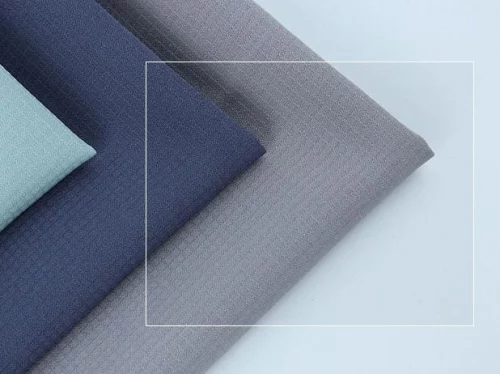
Nylon flame resistant fabric: how it is made, limitations and when to choose it over other FR materials.

The Environmental Impact of Fabric Production Processing textiles is one such process that follows a process contributing a lot to environmental degradation, from high intake of water, energy, and chemicals during the stages of production to the handling of waste…

Waterproof breathable fabric explained: microporous, hydrophilic and hybrid technologies plus key types.

Wildfire Safety Tips Fire prevention awareness comes first, flame-retardant fabrics provide a shield. This guide will teach you how to protect your life and property when fire strikes. Introduction Recently, Los Angeles experienced a devastating wildfire. As of July 10th,…

Why are Flame Resistant Textiles so important? Let’s start with this news report: On December 24, 2024, the Eiffel Tower in Paris faced a dramatic fire incident due to an electrical short circuit. This fire led to the evacuation of 1,200 people,…

Discover truly non-flammable fabric types, fire ratings (NFPA, EN, BS) and the right uses for each.

What is Flame Retardant Blanket Flame retardant blankets are commonly used for household fire prevention and are thinner than quilts. Simultaneously made of permanently flame-retardant fibers to possess permanent flame retardancy. The effectiveness of flame retardant blankets is backed by adherence…
Focused on flame retardant textile development since 2013.
Supports fabric development, sample testing and internal performance checks.
Product-specific test reports available for different markets and applications.
Samples, customization, confirmed specifications and bulk production support.
