Enter your details and we will send the requested document to your inbox.





In modern transportation systems—cars, buses, trains, and airplanes—interior safety materials are as critical as the mechanical safety features. Among these materials, flame retardant automotive fabric plays a vital role in protecting passengers from fire hazards while ensuring the durability and comfort that daily service demands. Vehicle interiors contain a surprising amount of textile: seat covers, headliners, wall panels, carpets, and curtains. Without proper treatment, these materials can ignite quickly and accelerate fire spread. That is why flame retardant automotive fabric has become a standard requirement for car interior textile safety and for transport design as a whole. This guide explains how FR automotive upholstery fabric improves safety in vehicles, what standards apply, and how manufacturers and procurement teams can choose the best materials for automotive and public transport interiors.
Flame retardant automotive fabric is essential for ensuring safety in modern vehicles. The presence of flame retardant automotive fabric not only protects passengers but also enhances the overall durability of the vehicle’s interior.
Using flame retardant automotive fabric in various vehicles reduces the risk of fire damage, providing peace of mind for manufacturers and users alike.
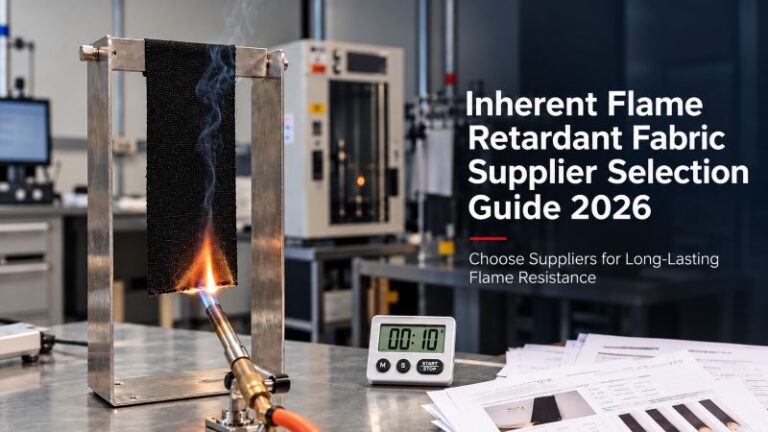
Flame retardant automotive fabric is a textile engineered to resist ignition, slow flame spread, and self-extinguish once the source is removed. Used in car, bus, train, and aircraft seats, it meets FMVSS 302, DIN 75200, and ECE R118 to give passengers critical evacuation time.

Moreover, flame retardant automotive fabric contributes significantly to passenger safety, which is a top priority in vehicle design.
Overall, flame retardant automotive fabric is an important consideration for any vehicle manufacturer aiming to enhance safety standards.
In conclusion, flame retardant automotive fabric not only protects occupants but also aligns with modern safety regulations.
When choosing materials for vehicle interiors, flame retardant automotive fabric should always be a key factor in the decision-making process.
Understanding the benefits of flame retardant automotive fabric can guide buyers in selecting the right products for their needs.
FR automotive upholstery fabric refers to textile materials used in vehicle interiors that resist ignition, slow flame spread, and self-extinguish once the ignition source is removed. These fabrics are made with flame-retardant fibers or special chemical treatments, delivering fire safety without sacrificing comfort or durability.
The way it works is simple to picture: when exposed to a flame, a good FR textile chars instead of melting into burning droplets, and the char layer starves the flame of fuel. Our soft inherent FR automotive fabric is a clear example—the retardant is built into the fiber molecular chain, so protection cannot wash or wear out. Common fiber families used across the industry include flame-retardant polyester, aramid for the highest-heat zones, wool blends for rail and premium cabins, and nylon for aviation. They appear in vehicle seats, headliners, wall panels, and decorative trims. Manufacturers such as BEGOODTEX develop transport interior fireproof fabrics that meet strict automotive safety standards.
Furthermore, the integration of flame retardant automotive fabric in vehicle design reflects a commitment to passenger safety.
Although vehicle fires are relatively rare, flame-retardant fabrics improve passenger safety by delaying ignition and slowing flame spread. Those extra seconds give occupants more time to evacuate and reduce the damage a fire can do to the vehicle interior.
Buyers often face a choice between two technologies:
For vehicle interiors—which are rarely laundered but see constant abrasion—IFR is usually the safer long-term call. Specifying inherently flame retardant polyester gives permanent protection and predictable compliance over a vehicle’s service life.
Modern cabins pack more electronics, lighter plastics, and denser foam than older vehicles. That combination can make an interior fire spread faster once it starts. Specifying certified materials is no longer optional—it is part of responsible vehicle design. For procurement teams, the fabric choice also affects regulatory compliance, insurance, and brand trust.
With increasing regulations, flame retardant automotive fabric is becoming indispensable in the automotive industry.
Flame retardant fabrics are used across every transportation sector, but the exact material depends on the cabin, the passenger load, and the applicable rule.
| Application Area | Typical Fabric Use |
| Passenger Cars | Automotive seat cover fabric, headliners |
| Buses | Bus seat upholstery fabric |
| Trains | Train interior textiles |
| Aircraft | Airplane seat fabrics |
| Public Transport | Public transport interior materials |

Incorporating flame retardant automotive fabric into vehicle interiors is a proactive step towards enhancing safety.
For manufacturers, selecting flame retardant automotive fabric is essential for ensuring compliance with safety standards.
As safety standards evolve, flame retardant automotive fabric remains a key focus for vehicle interior design.
Passenger vehicles require flame retardant fabric for car seats that meets safety regulations while staying comfortable and durable through constant use. These fabrics must also resist abrasion, because a car seat is rubbed thousands of times over its life. A soft hand-feel matters too—buyers notice scratchy trim, and comfort drives real-world satisfaction.
In public transportation, fire resistant upholstery fabric for buses is essential because large numbers of passengers share a confined space for long periods. Bus interiors commonly use:
A city bus seat may see hundreds of passengers a day, so abrasion rating and cleanability outweigh exotic aesthetics.
For those designing vehicles, flame retardant automotive fabric is a critical consideration for enhancing passenger safety.
By investing in high-quality flame retardant automotive fabric, manufacturers can ensure lasting safety and comfort.
In light of changing regulations, flame retardant automotive fabric will continue to be at the forefront of vehicle safety.
In summary, flame retardant automotive fabric is fundamental in creating safe vehicle interiors.
Modern trains demand high-performance train interior textiles that withstand heavy traffic while holding safety standards such as EN 45545. Typical rail applications include seat upholstery, partition panels, and decorative interior fabrics. Rail operators also care about cleanability and colorfastness, since trains run for decades and must look presentable the whole time.
Ultimately, flame retardant automotive fabric enhances the safety of modern transportation systems.
Aircraft cabins demand the strictest safety standards of all. Aviation-grade flame resistant fabric must meet international aviation safety regulations and keep performing under high stress, low humidity, and constant flexing. Nylon-based FR textiles are common here because they balance light weight with strength—every kilogram saved matters at altitude.

A high-quality FR automotive upholstery fabric must deliver more than flame resistance. Buyers should weigh these performance features together.
Vehicle interiors face constant friction and heavy use. Upholstery fabrics must be:
A fabric that passes the burn test but fails abrasion in a year is a poor specification. Match the rating to the duty cycle.
Static electricity can cause sparks in certain environments, particularly in industrial transport vehicles and dry cabins. Many modern upholstery fabrics include anti-static flame retardant fabric technology that prevents static buildup and improves passenger safety by dissipating electrical charges before they can arc. In fuel-adjacent or electronics-dense zones, this is a real safety feature, not a comfort extra.
While safety comes first, vehicle upholstery fabric must also provide breathability, a comfortable seating feel, and attractive textures and colors. Manufacturers like BEGOODTEX combine safety performance with modern automotive design aesthetics, so specifiers do not have to trade looks for compliance. For transit use, cleanability and lightfastness (resistance to fading under cabin lighting and sun) are just as important as the initial hand-feel.
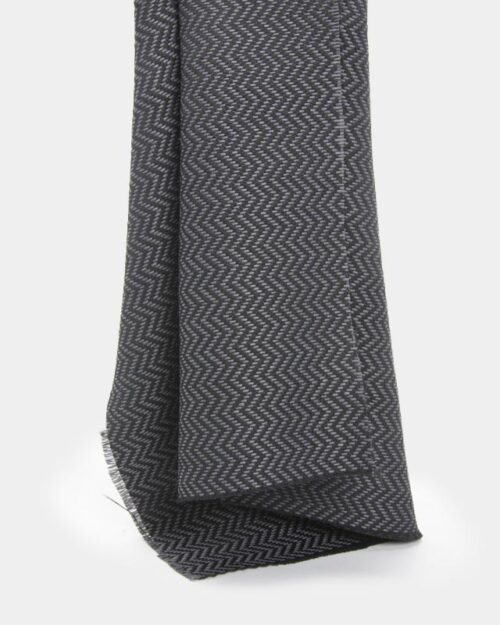 Flame Retardant Jacquard Polyester Fabric with Blackout Performance for Wholesale Transit Upholstery Production | 250 g/m² | 150 cm
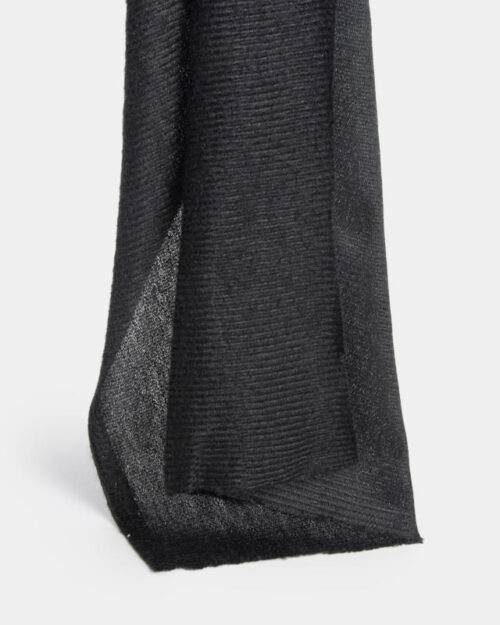 Inherent Flame Retardant Soft Polyester Fabric for Commercial Public Transit Seating with OEM Production Support | 125 g/m² | 150 cm
 Inherent Flame Retardant Pre-Oxidized Pre-Ox Fiber Felt for Automotive and Industrial Insulation with Bulk Order Support | 800 g/m² | 150 cm
Every market defines its own test. Knowing which standard applies tells you which fabric to specify.
| Standard | Region | Purpose |
| FMVSS 302 | United States | Measures burn rate of vehicle interior materials |
| DIN 75200 | Germany | Tests combustion behavior of automotive materials |
| ECE R118 | Europe | Fire safety requirements for buses and coaches |
| ISO Standards | International | Safety guidelines for vehicle interior materials |
For example, FMVSS 302 and other automotive flammability standards set strict limits on the burning rate of interior materials, ensuring sufficient evacuation time during a vehicle fire. FMVSS 302 uses a horizontal burn test: a sample is held horizontally and lit at one end, and the flame spread rate must stay below a defined limit. A fabric that passes will not sustain a flame long enough to trap occupants. ECE R118 goes further for buses and coaches, covering how materials perform when installed as finished components, not just as loose samples. DIN 75200 is the German equivalent for combustion behavior, and the ISO 3795 family provides internationally recognized test methods.

| Selection Factor | Key Considerations |
| Fire Safety | Compliance with FMVSS 302, DIN 75200, or ECE R118 |
| Durability | Abrasion resistant upholstery fabric |
| Comfort | Breathable and soft automotive seat cover fabric |
| Static Protection | Anti-static flame retardant fabric |
| Reliability | Work with experienced suppliers like BEGOODTEX |
Overall, flame retardant automotive fabric is a must-have for any responsible vehicle manufacturer.
By focusing on flame retardant automotive fabric, manufacturers demonstrate their commitment to passenger safety and comfort.
The emphasis on flame retardant automotive fabric highlights the ongoing evolution of safety in vehicle design.
A practical selection sequence:
Do not choose on price alone—an uncertified fabric can fail audit and recall the whole vehicle line. Common mistakes include specifying a “FR” fabric without confirming the exact standard, ignoring abrasion rating, and forgetting anti-static needs in electronics-dense cabins.
The category is moving quickly. Four trends stand out:
Flame retardant polyester fabrics are increasingly used because they offer permanent flame resistance, durability, and versatility across car, bus, and rail cabins.

As transportation systems become more advanced, FR automotive upholstery fabric has become a fundamental component of vehicle interior design. Whether used in cars, buses, trains, or airplanes, transport interior fireproof fabric helps protect passengers and improves the overall safety of transportation systems.
Choosing the right material is a responsibility, not a line item. Specifying certified, durable, comfortable FR fabric is how manufacturers and transit agencies keep people safe and stay compliant. If you are specifying materials for a new program or a retrofit, contact our FR fabric specialists for samples and standards guidance tailored to your market.
FR automotive upholstery fabric is a textile used in vehicle interiors engineered to resist ignition and slow the spread of flames. It is commonly used in car seats, buses, and trains where passenger safety and durability both matter.
They typically comply with FMVSS 302 (United States), DIN 75200 (Germany), ECE R118 (Europe, for buses and coaches), and various ISO safety requirements depending on the market and vehicle type.
The best fabric combines flame resistance, abrasion resistance, comfort, and durability. High-quality options from experienced suppliers like BEGOODTEX meet these global standards and can be matched to cars, buses, trains, or aircraft.
Durability depends on the construction. Inherently flame retardant (IFR) polyester keeps its protection for the life of the fabric, while FR-treated textiles can lose some performance after very heavy abrasion or laundering. Most automotive grades are rated for tens of thousands of abrasion rub cycles and are chosen for the vehicle’s duty cycle.
Yes. EV interiors use lightweight FR materials to manage battery-zone heat and fire risk while keeping cabin mass low. FR polyester and multifunctional textiles (anti-static, sometimes antibacterial) are increasingly specified as EV platforms scale.