Get in touch
Thank you for reaching out! Please tell us more about your needs — our expert team will get back to you within 24 hours.




In refineries, chemical plants, power plants, oil and gas platforms, and some heavy industrial workshops, workers often face more than one risk at the same time.
There may be flame, flash fire, heat sources, oil contamination, chemical splash, static electricity, and mechanical abrasion on site.
If workwear only provides flame resistance, but performs poorly when exposed to oil, chemical liquids, or static-sensitive environments, the real protection level may be reduced.
This is why many heavy industrial projects are paying more attention to flame-retardant oil-repellent fabrics.
In simple terms, these fabrics are based on flame resistance, with added functions such as oil repellency, light chemical splash resistance, antistatic performance, or wash durability.

Flame-retardant oil-repellent fabric is usually a functional protective fabric that combines flame resistance with oil-repellent or oil-stain-resistant performance.
Its purpose is not to make oil completely unable to touch the fabric forever.
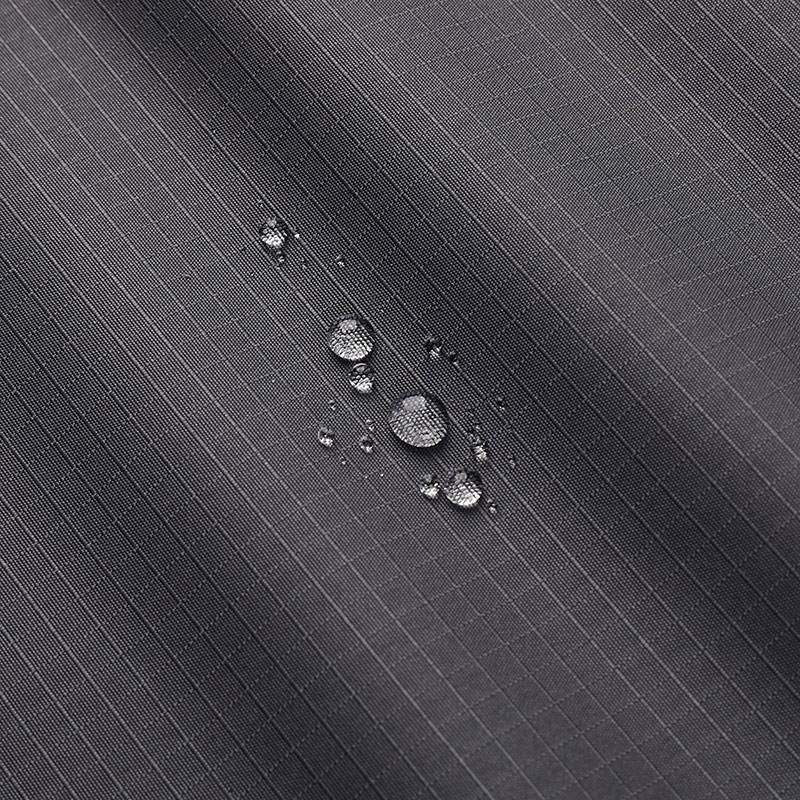
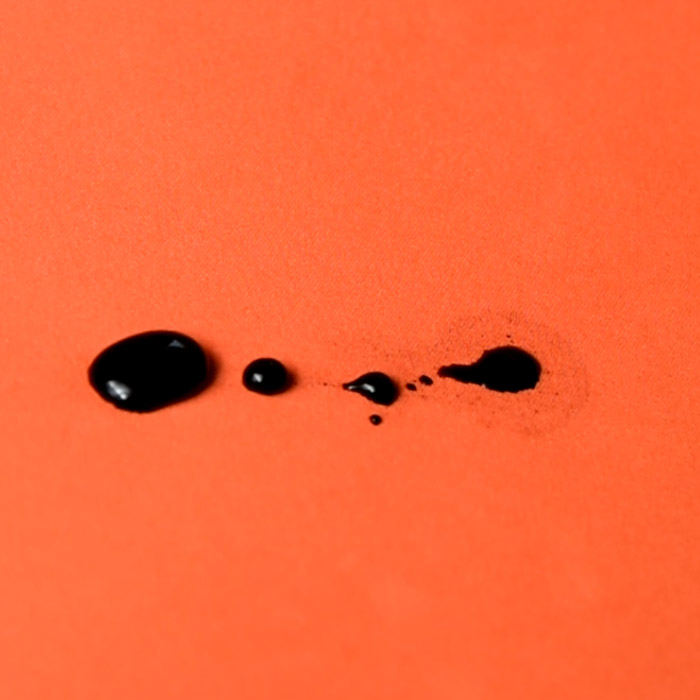
Instead, it helps reduce the rapid penetration of oil into the fibers. Oil droplets are more likely to stay on the fabric surface, making wiping or cleaning easier. This can also help reduce the secondary fire risk caused by oil contamination.
These fabrics are often used in oil and gas, refineries, chemical plants, power plants, metallurgy, machining, heavy industrial workshops, and some laboratory or industrial maintenance positions.
Some projects may also require light chemical splash protection, antistatic performance, abrasion resistance, wash durability, and wearer comfort.
But these functions should be checked separately.
They should not be mixed together.
Oil repellency does not mean resistance to strong acids or strong alkalis.
Antistatic performance does not mean arc flash protection.
Flame resistance does not mean the fabric is suitable for every high-temperature environment.
Chemicals can be very different.
Light liquid splash, low-concentration acids or alkalis, strong acids, strong alkalis, solvents, oils, and corrosive liquids all create different fabric requirements.
Some flame-retardant oil-repellent fabrics can provide a certain level of chemical splash protection. They may help liquids stay on the surface for a short time and reduce fast penetration.
But this does not mean the fabric can handle long-term contact with highly corrosive chemicals.
It also cannot replace professional chemical protective clothing.
So before purchasing, buyers should confirm several questions first.
What chemical will the fabric contact?
What is the concentration?
Is it occasional splash or long-term contact?
Is liquid penetration, permeation, or splash testing required?
Are the test conditions close to the real working environment?
Only after these points are clear can buyers judge whether the fabric is suitable for the project.
| Function | Main Purpose | What Buyers Should Check |
|---|---|---|
| Flame resistance | Reduces the risk of continued burning and flame spread | Check the related flame-resistant or heat-protection standard |
| Oil repellency | Reduces rapid oil penetration into the fabric | Check oil type, performance after washing, and maintenance method |
| Chemical splash resistance | Reduces short-term penetration of some liquids | Confirm the specific chemical, concentration, and test condition |
| Antistatic performance | Reduces static buildup and discharge risk | Not the same as arc flash protection |
| Wash and abrasion durability | Helps maintain long-term performance | Check industrial wash data and bulk stability |
The challenge of multifunctional fabric is not to list as many functions as possible.
The real challenge is whether these functions can stay balanced in one fabric.
Some finishes can improve oil repellency, but they may affect hand feel and breathability.
Some coatings can improve liquid barrier performance, but they may make the fabric harder and less breathable.
Some samples look good at the beginning, but oil repellency or antistatic performance may drop clearly after several washes.
So for heavy industrial use, the right fabric should be judged by overall performance, not only by marketing words.
| Application Area | Common Risks | Key Fabric Selection Points |
|---|---|---|
| Oil and gas | Flash fire, oil contamination, static electricity, mechanical abrasion | Flame resistance, oil repellency, antistatic performance, wash durability |
| Refineries | Oil contamination, heat sources, chemical splash | Flame resistance, oil repellency, light chemical resistance, abrasion resistance |
| Chemical plants | Acid and alkali splash, flame, static electricity | Flame resistance, chemical resistance testing, antistatic performance |
| Power plants | Heat sources, electrical equipment, oil contamination | Flame resistance, antistatic performance, durability |
| Metallurgy and machining workshops | Sparks, oil contamination, friction, hot surfaces | Flame resistance, oil repellency, abrasion resistance, stable strength |
Flame-retardant oil-repellent fabrics often involve several testing directions.
Different tests cannot replace each other.
| Standard or Test Direction | Common Use | How Buyers Should Understand It |
|---|---|---|
| EN ISO 11612 | Protective clothing against heat and flame | Used for industrial heat protection and flame risk |
| NFPA 2112 | Flash fire protective clothing | Common in oil, gas, and chemical environments with flash fire risks |
| EN 1149 series | Antistatic protective clothing | Used in environments where static control is required |
| ASTM F1506 / arc flash testing | Arc-rated protective clothing | Not the same as ordinary flame resistance or antistatic performance |
| Oil / water repellency testing | Surface repellency against oil or liquids | Check the test liquid, rating, and performance after washing |
| Chemical protection testing | Liquid penetration, permeation, or splash protection | Must be judged according to the specific chemical and concentration |
Flame-retardant oil-repellent fabrics are often used in oil and gas, chemical plants, refineries, power plants, metallurgy, machining, and other heavy industrial environments.
Their value is not only flame resistance.
They can also help reduce risks caused by oil contamination, liquid splash, static electricity, and long-term wear.
For heavy industrial protective clothing, a reliable flame-retardant oil-repellent fabric is not the one with the most function words.
It is the one that best matches the on-site risk, test requirements, and long-term working conditions.
Flame-retardant oil-repellent fabric is a functional fabric that combines flame resistance with oil-repellent or oil-stain-resistant performance.
It can help reduce rapid oil penetration into the fabric and lower the secondary fire risk caused by oil contamination.
No.
Many oil-repellent fabrics are more accurately described as fabrics that resist oil penetration for a certain time.
They can help oil stay on the surface more easily, but this does not mean the fabric can be soaked in oil for a long time without being affected.
It depends on the specific chemical and test condition.
Some fabrics can provide a certain level of light chemical splash protection, but they cannot replace professional chemical protective clothing.
No.
Antistatic performance mainly reduces static buildup and discharge risk.
Arc flash protection requires specific arc testing and a confirmed protection rating. A normal antistatic report cannot replace an arc flash test report.
Many high-quality flame-retardant oil-repellent fabrics can be industrially washed, but they should be cleaned according to supplier instructions.
Before ordering, buyers should check wash-after test data to confirm whether flame resistance, oil repellency, or antistatic performance remains stable.