Enter your details and we will send the requested document to your inbox.





Fireproof fabric has gained attention across industries for its protective edge over conventional textiles. Unlike untreated cotton or wool, these materials are engineered to resist ignition, slow flame spread, and self-extinguish—properties that matter wherever fire codes apply. As safety requirements tighten in public venues, transit systems, and workplaces, the gap between fireproof and traditional materials is no longer a fine detail but a compliance decision. This guide compares them head-to-head so procurement and design teams can choose with confidence. BEGOODTEX develops inherently flame retardant polyester textiles that hold protection through repeated washing and meet standards such as NFPA 701.
Fireproof fabric is engineered to resist ignition and self-extinguish, keeping its protection through washing, while traditional materials like cotton and wool ignite readily and lose any spray-on treatment after a few launderings. The core difference is the durability of protection: in fireproof fabric the resistance is built into the fiber, whereas in traditional fabric it relies on coatings that wear off.
Before comparing, it helps to define what “fireproof fabric” means in a commercial context. The term is used loosely; technically most textiles are flame retardant rather than truly non-combustible. What matters to buyers is whether that resistance survives real-world use.
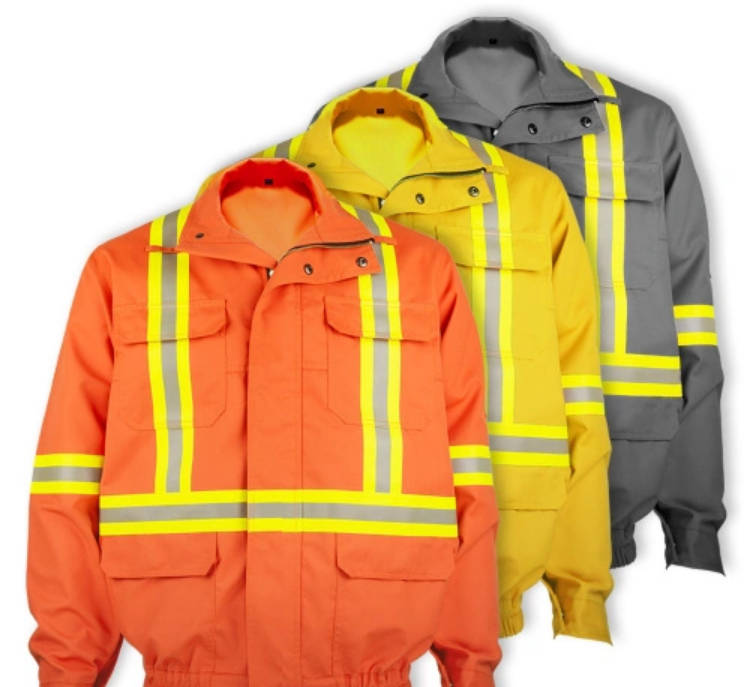
Fire resistant textiles are generally split into two categories: inherently flame retardant (IFR) fibers and flame retardant treated (FRT) fabrics. Both are designed to withstand fire exposure and limit flame spread. The key distinction is where the protection lives.
Crafted from fibers tailored for protection and practicality, these fabrics maintain their fire resistance over time and even after cleaning—unlike the topical sprays discussed later in this guide.
Fireproof fabric is only as trustworthy as the test behind it. Four standards appear most often in specification sheets:
Full test methods and regional equivalents are collected in our textile standards reference. For the official source, see the National Fire Protection Association.
Now to the comparison buyers actually care about. Traditional materials—chiefly cotton, wool, and untreated synthetics—have their place, but on fire safety they start at a disadvantage.
Fireproof fabrics show exceptional durability, largely because their resistance comes from composition rather than coating. Fabrics woven from IFR polyester withstand high temperatures without losing structure, so protective qualities stay intact across the product’s lifespan.
Traditional materials tell a different story. Untreated cotton and wool catch fire quickly. Even when given a fire retardant spray, the coating is a temporary layer that thins with every wash and fades with exposure. The result is inferior longevity on fire safety, with ongoing maintenance that raises cost and resource use over time.
The upfront price gap is real: fireproof options cost more because of advanced manufacturing and certification. But that initial expense is usually offset by lifecycle savings—fewer fire incidents, no repeat treatment purchases, and lower labor for upkeep.
Traditional materials look cheaper on the shelf yet hide recurring costs. Retardant treatments must be reapplied, and in commercial settings where fire codes are mandated, that reapplication is both a compliance burden and a budget line that grows yearly. The alternative—a fire started by igniting traditional fabric—is a financial gamble with severe consequences.
This is where the difference is starkest. Certified fireproof fabric demonstrably resists ignition and limits flame spread, helping public spaces, entertainment venues, and construction projects meet stringent fire codes and reduce liability.
Traditional materials pose a real risk in fire-prone environments. Without inherent resistance, they ignite readily and can release smoke and toxic gases when burning. The absence of protection allows rapid spread—dangerous in any space where seconds count.
| Comparison | Fireproof Fabric (IFR / FRT) | Traditional Material (cotton / wool) |
| Source of protection | Built into fiber or durable finish | Surface spray, wears off |
| Ignition resistance | High; self-extinguishes | Low; ignites readily untreated |
| Protection after washing | Retained (IFR) or long-lasting (FRT) | Lost after a few washes |
| Toxic smoke on burn | Lower, slower spread | Higher, faster spread |
| Lifecycle cost | Lower over time | Higher with re-treatment |
The category is not standing still. Material science is closing old trade-offs between safety, comfort, and sustainability.
Recent advances pair advanced synthetic fibers with treatments that boost durability while preserving comfort. Nanotechnology is being applied to repel heat and flame more effectively, adding a protective layer without adding weight.
Manufacturers are also moving toward eco-friendly solutions that keep safety intact while reducing environmental impact. BEGOODTEX’s inherent FR polyester fabric range reflects this direction, offering permanent protection without chemical top-coats. For spaces needing light control plus safety, flame retardant blackout drapery combines 4-pass opacity with certified flame resistance.
Expect smarter, greener textiles ahead. Temperature-sensitive fabrics that warn of overheating, bio-based and biodegradable FR fibers, and breathable hybrid textiles are all in development. The trajectory is clear: more function, lower footprint, no compromise on the fire safety baseline.
Theory is useful, but the decision lands on application.
The environment dictates the right choice. High foot-traffic areas, kitchens, and theaters carry elevated fire risk, so fireproof fabric designed to inhibit ignition is the responsible pick.
Aesthetics and added functions—waterproofing, UV resistance, acoustic damping—should guide the final pick without overriding the safety baseline.
 Fireproof Aramid Hood High Temperature Resistant for Bulk Safety Garment Production with Custom Production Options | EN ISO 11612
 Fireproof Aramid 3A Jacket for Forest Firefighting with Anti-Static Protection and Contract and Export Supply Options | EN ISO 11612
 Anti-Static Flame Resistant Clothing Pure Cotton T-Shirt for Bulk Protective Workwear Production with Contract Supply Options | EN ISO 11612
Fireproof fabric is generally easier to maintain. Because the resistance is inherent, there are no chemical treatments to refresh. BEGOODTEX test data on flame retardant blackout fabric shows the material withstands repeated use and cleaning without losing fire resistance.
Traditional textiles, by contrast, need frequent retardant sprays or coatings—more expense, more effort, and performance that fades after several washes. Fireproof fabric can usually be washed by standard methods, extending both durability and safety.
Not exactly. “Fireproof fabric” describes the textile; “fireproof clothing” is a finished garment built from certified FR fabric and meeting apparel standards such as NFPA 2112 or ASTM F1506. The fabric is the foundation; the garment adds design and compliance.
Upfront, yes—IFR and FRT textiles cost more to manufacture and certify. Over the product’s life, they are usually cheaper because they need no re-treatment and reduce fire-risk costs. Traditional fabric hides recurring spray and labor expenses.
IFR fabric keeps its protection for the life of the product because the resistance is in the fiber. Treated traditional fabric loses much of its protection after a handful of washes. For high-use settings, IFR is the durable choice.
It depends on use: NFPA 701 for drapery and curtains, NFPA 2112 for industrial flash-fire garments, ASTM F1506 for electrical and welding protective clothing, and NFPA 130 for transit and rail interiors. Always match the standard to the application.
Inherently flame retardant fabric can be washed by standard methods without losing protection—the resistance is molecular, not a coating. Treated fabrics retain protection far longer than spray-on traditional materials but should follow the care label.
Fireproof fabric and traditional materials serve different needs, but on fire safety the comparison is decisive. Built-in protection, certified standards, and lower lifecycle cost make fireproof fabric the responsible choice for venues, transit, healthcare, and workplaces. When specifying, match the standard to the application, confirm third-party test reports, and plan for real-world washing.
Ready to specify the right textile? Contact our FR fabric specialists for samples, test reports, and application guidance.
Flame Retardant Medical Curtain — https://begoodtex.com/product-category/medical-curtain/
Inherent FR Polyester Fabric — https://begoodtex.com/product-category/ifr-polyester-fabric/
Flame Retardant Blackout Fabric — https://begoodtex.com/product-category/blackout-fabric/
Flame Retardant Theater Drape — https://begoodtex.com/product-category/theater/


