Enter your details and we will send the requested document to your inbox.





Passing a fire test is not enough. Is your flame retardant fabric actually safe for human skin? Uncover the true value of the OEKO-TEX STANDARD 100.

The countdown to global PFAS bans has started! Discover how combining C0 fluorine-free waterproofing with permanent FR safety protects your supply chain today.
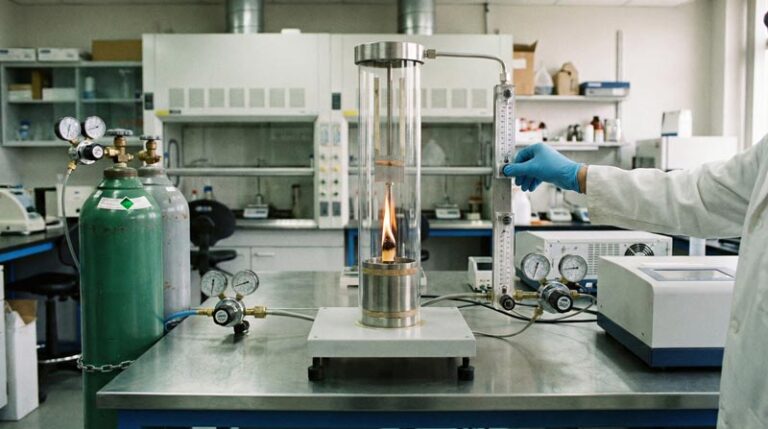
LOI is the minimum oxygen concentration needed to sustain combustion. This guide analyzes LOI values, testing standards, and the safety logic of IFR fabrics.
Fire retardant spray is one of the most common “quick fixes” in facility management. You pick up a bottle, mist it over existing curtains, upholstery, or carpets, and suddenly the material is “fire rated.” But is fire retardant spray really…
This article examines FR safety, distinguishing halogens from non-toxic inherent fibers. It covers skin safety, smoke toxicity, durability, and NFPA 701 standards.

Introduction: Flame Retardancy and Health Safety If you buy, specify, or wear flame-retardant protective clothing, you have probably been asked point-blank: “But is that stuff actually safe to put on your skin for a 12-hour shift?” It is a fair…

The Value of Flame Retardant Knitted Fabrics in Safety Protection Flame retardant knitted fabrics are specially designed to enhance the fire resistance of materials. These fabrics effectively slow down the spread of flames, protecting users from fire-related harm. They are…

In flame-retardant textiles, the decision between inherent and treated FR fabrics is more than a technical distinction—it directly impacts protection, durability, and compliance. While both serve essential roles,inherent FR fabrics offer more reliable long-term performance, especially in high-risk, high-wear settings. Treated FR fabrics…

Standards for Flame Retardant Fabric Manufacturers Selecting the manufacturers of flame retardant products is equally essential. Because it can ensure home safety standards and regulations. Selecting manufacturers for these products comes with requirements like effectiveness and longevity of their utilized…
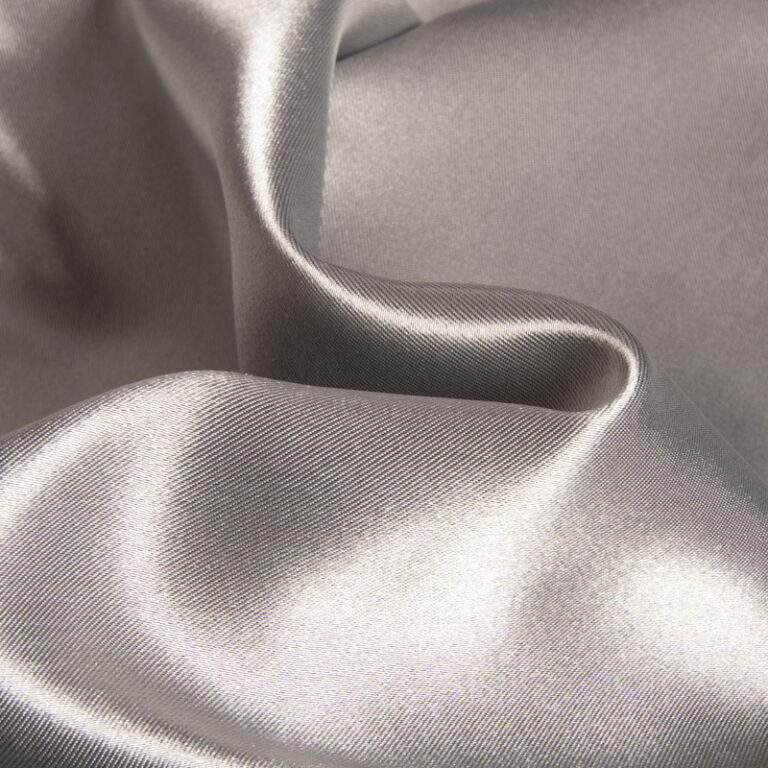
Principles and Materials of Blackout Curtain Fabrics Blackout curtain fabrics materials are designed to block out light to enhance privacy and save energy consumption efficiently due to the fabrics composition. Three-layer Natural Flame-retardant Polyester Yarn Blackout curtain fabrics often incorporate a…

The commonly seen term “FR Fabric” stands for “Flame Retardant Fabric.” However, this article discusses an ambiguous aspect of “FR” because it also abbreviates Flame Resistant, Fire Resistant, Fire Retardant, and Flame Retardant, four terms that seem identical but have…
The four main flame retardancy mechanisms in textiles: char formation, gas inhibition, cooling and intumescence.

Abstract: Based on the characteristics of poor permeability and flammability of ordinary polyester fabrics, this article will explore the processing technology of polyester fabrics through extensive experiments, and elaborate on the flame retardant mechanism, flame retardant testing methods, and related flame…

Increased Fire Risks During Christmas There are many reasons why Christmas equals a higher than-normal fire risk. Some common causes are overloaded electrical circuits from Christmas lights, unattended candles, and dry Christmas trees that can become highly flammable. Moreover, cooking…

Flame retardant fabric treatments: durable vs non-durable, chemical types and how they stop ignition.
Focused on flame retardant textile development since 2013.
Supports fabric development, sample testing and internal performance checks.
Product-specific test reports available for different markets and applications.
Samples, customization, confirmed specifications and bulk production support.
