Get in touch
Thank you for reaching out! Please tell us more about your needs — our expert team will get back to you within 24 hours.




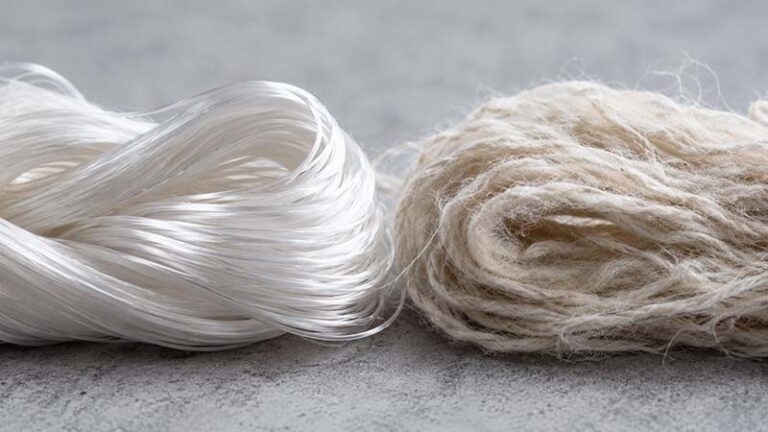
Why do some fabrics feel smooth while others feel soft and fluffy? This guide explains filament and staple fibers in a clear, practical way.
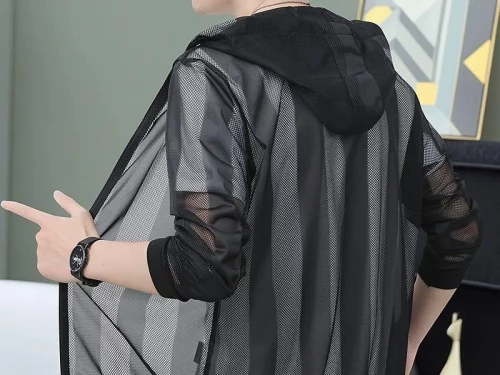
Most mesh fabrics are flammable, posing risks in industrial use. This article explains how flame-retardant mesh ensures safety without sacrificing comfort, compares fiber-based and coated technologies, and highlights BEGOODTEX’s eco-friendly, durable solutions for high-performance protection.
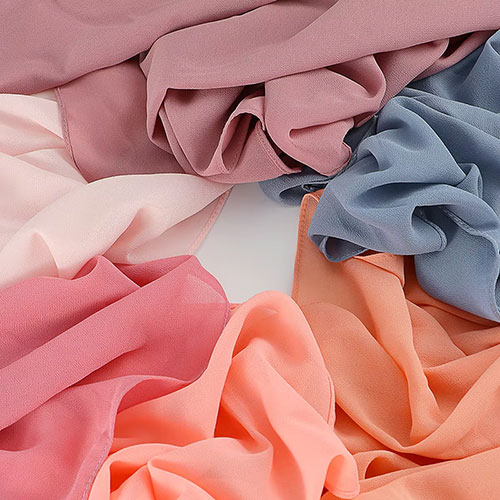
Polyester flame-retardant fabrics protect workers from fire hazards while staying durable, breathable, and comfortable. See how BEGOODTEX ensures lasting safety across homes, hospitals, and industrial settings.

Are your textiles ready for 2026 carbon mandates? Dope dyeing is the game-changer, locking color and safety into the fiber's DNA to eliminate water waste and fading.
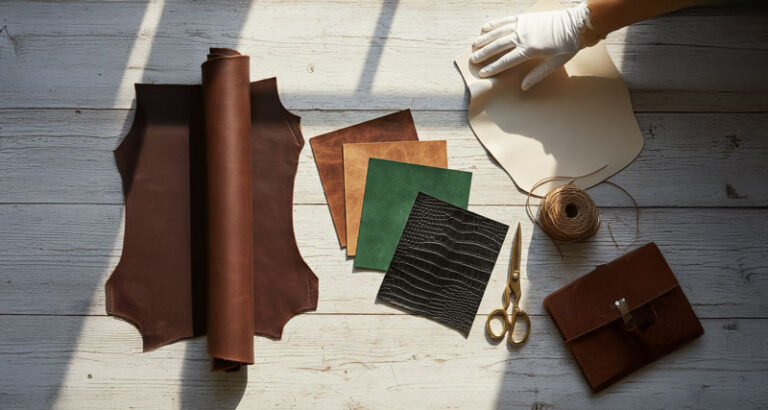
Choosing the wrong leather can be a costly fire hazard. Find out which materials naturally resist flames and which ones melt, plus how to pick the safest option for your project.

This guide covers velvet flammability, explaining how material types and pile structure affect fire risk. It includes safety standards and testing methods.
Does Viscose burn easily? This deep dive reveals the truth about standard versus FR Viscose. We analyze the science of flame retardancy, compare it with Aramid and Modacrylic, and help you choose the right fabric for safety and comfort. Read on to master the facts!

When selecting textiles, especially for home, transportation, or protective applications, fire safety is a non-negotiable topic. A common question from consumers and procurement managers alike is: is wool, a widely used natural fiber, flammable or fire resistant? This guide will…

Is your acrylic fabric flammable? Don't confuse Acrylic with Modacrylic. While they feel identical, one burns rapidly while the other self-extinguishes. Click to learn the critical safety difference.

Silk is prized for luxury, but how does it perform regarding fire safety? Its flammability is often misunderstood. This natural fiber behaves uniquely when exposed to flame—unlike cotton or polyester. Discover silk's true burn characteristics and why its use is strictly controlled.

Is spandex flammable? Learn how spandex burns, its 18–20% LOI, how flame retardant spandex works, and what buyers should check for protective applications.

Polyester is one of the most widely used synthetic fibers in the world, known for its durability, versatility, and affordability. It is the foundational material for a vast range of products, found in everything from clothing (like shirts and activewear)…

Aramid is more than just a fabric. It exists as high-strength yarn, high-temp pulp, and electrical insulation paper. Understand the complete product classification to source the right material.

Aramid is one of the safest FR fibers (non-toxic, OEKO-TEX® certified). But is it "green"? We explore the paradox of its energy-intensive production vs. its eco-friendly durability.

Aramid isn't just for PPE. Why is it the required material for everything from airline seats to stage curtains? We explore the 4 critical industries that depend on its inherent FR properties.