Enter your details and we will send the requested document to your inbox.



Understanding Canvas and Its Features Definition of Canvas Canvas is a strong fabric that is typically made of cotton, linen, or a combination of both. Originally created for making sails, it later became a popular material used for outdoor gear,…

On July 18, 2019, the first studio of Kyoto Animation in Japan was set on fire, with a total area of 691 square meters of buildings completely destroyed, resulting in 69 victims and 36 deaths. According to the investigation, there…

Role of Flame Retardant Textiles in Enhancing Workplace Safety Defining Flame Retardant Textiles Flame retardant textiles are treated fabrics or those made from fibers that are naturally resistant to flames. Over the course of their development, flame retardant textiles have become…

Enhancing Safety with Flame Resistant Textiles Textiles that are resistant to flames are very important in ensuring safety in the home as well as work environment. It has been realized that there has been increased use of such vital fabrics…

Theatres, cinemas, exhibitions and sports stadiums are common public venues that attract large numbers of people so they are inherently at risk from fire due to the density of occupants and the potential for ignition sources. The 2019 Notre Dame Cathedral…

Importance of Fireproof Fabrics in High-Visibility Workwear Overview of Fireproof Fabrics Fireproof fabric is a must material that has engineered to stop the flames and combustion. These FR fibers are incorporated into durable fabrics engineered for life-of-the-fabric flame retardant performance. Meanwhile,…
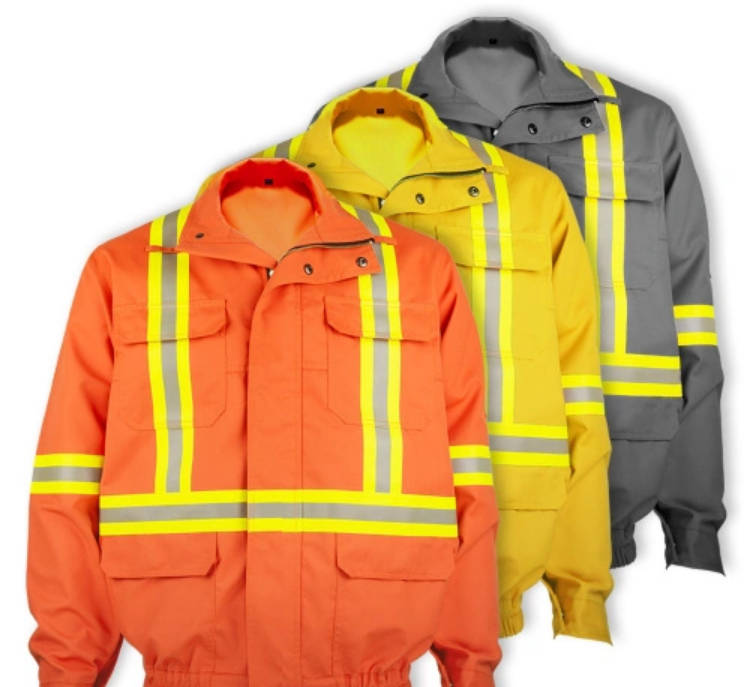
Fireproof fabric has gained attention across industries for its protective edge over conventional textiles. Unlike untreated cotton or wool, these materials are engineered to resist ignition, slow flame spread, and self-extinguish—properties that matter wherever fire codes apply. As safety requirements…

Decode FR fabric codes: FR, IFR, DFR, PFR and NFR. Learn what each rating means for safety and procurement.

Flame retardants are usually substances which: inhibit or control flame spread, reduce the probability of ignition and/or chemistry during burning preparatory to charring through a significant reduction in either heat content or rate of combustion. Fire retardant is basically some…

Understanding Flame-Resistant Fabrics Definition and Importance Fabrics that resist flames are handcrafted materials made to endure fire and high temperatures, reducing the chances of catching fire. These fabrics play a role in apparel, work uniforms, and other situations where fire…

Flame resistant textiles have become components in sectors serving as vital protection against fire-related dangers. These fabrics are either. Manufactured using fibers that possess flame retardant qualities, effectively minimizing the chances of burns and harm during fire incidents. With safety being…

Choosing the right waterproof fabric is harder than it looks. Walk into any spec sheet and you’ll see “water-repellent,” “waterproof breathable,” and “waterproof membrane” used almost interchangeably — yet they describe three different levels of protection. If you’re sourcing textile…

Flame Retardant fabric, as a type of fabric, has a wide range of applications. What are the classifications of Flame Retardant fabrics? What are the advantages of Flame Retardant polyester fabrics? This is what everyone is concerned about. Now let’s…

In daily life, many products need to have fire-resistant properties due to the risk of fire. Fire resistance can usually be achieved in two ways, by using Flame Retardant Fabric or Flame Resistant Fabric. Although both types of fabrics have…

We are proud to announce the launch of our latest innovation in textile technology – a flame retardant fabric made entirely from 100% cotton. This new product combines the comfort and breathability of cotton with the added safety and protection…
Focused on flame retardant textile development since 2013.
Supports fabric development, sample testing and internal performance checks.
Product-specific test reports available for different markets and applications.
Samples, customization, confirmed specifications and bulk production support.
