Get in touch
Thank you for reaching out! Please tell us more about your needs — our expert team will get back to you within 24 hours.




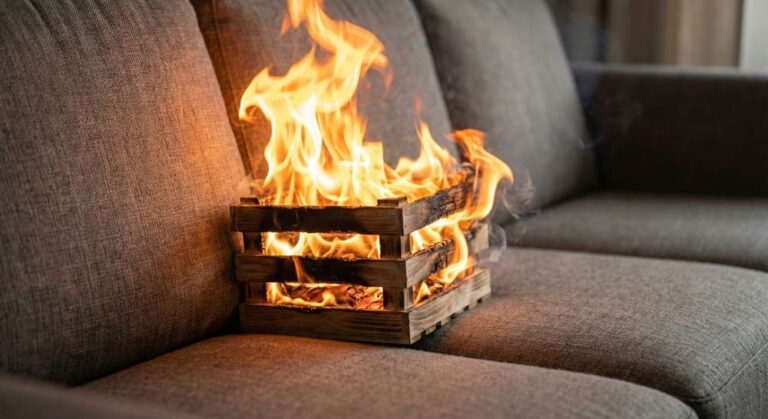
Is your furniture ready for the UK market? Discover everything about the rigorous BS 5852 Crib 5 test, the "Gold Standard" for commercial safety.

EN 1149-5:2018 is the core European standard regarding antistatic protective clothing. Its full title is Protective clothing – Electrostatic properties – Part 5: Material performance and design requirements. This standard mandates the Electrostatic Dissipative performance of protective clothing to prevent spark discharges that could…

NFPA 2112 is the standard on flame-resistant clothing for protection of industrial personnel against short-duration thermal exposures from fire. Primarily targeting the oil, gas, and chemical industries, it is developed by the National Fire Protection Association (NFPA) and is recognized globally…
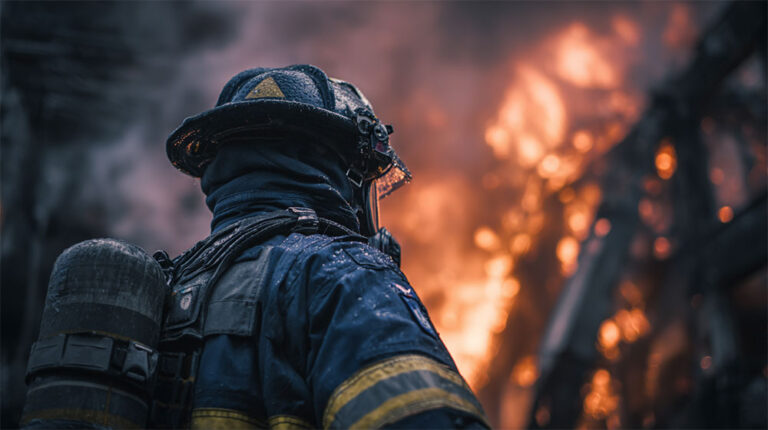
EN 469:2020 (Protective clothing for firefighters) is the highest authoritative standard in European and international markets for assessing the safety performance of “structural firefighter protective clothing.” It is not merely a single flame retardancy test, but a comprehensive systemic evaluation system covering thermal…

Master Limited Flame Spread Protection with our EN ISO 14116 guide. Learn the vital Index 1, 2, and 3 differences

In the fields of metal processing and heavy industry, welders face unique and high-risk safety threats: molten metal spatter, intense radiant heat, and the risk of electric shock. Standard fire-retardant workwear often fails to provide adequate protection for these specific…

In the field of industrial safety, EN ISO 11612 is the gold standard for evaluating the performance of heat and flame-resistant protective clothing. For procurement professionals in Oil & Gas, Metallurgy, Utilities, and Manufacturing, understanding the A-F performance codes of this standard…

"Flame retardant" isn't a vague promise; it's a quantifiable metric. Aramid's "no-drip" (d0) and "low-smoke" (s1) properties make it a benchmark material for passing the world's toughest FR tests. Here’s why it complies.

Introduction In the world of functional textiles, there is a magical number that directly determines the lifespan, maintenance costs, and even safety assurance of a fabric—this is the “Martindale Cycles.” Whether it’s a frequently used hotel sofa fabric or an…

Introduction: Unlocking the “Kaleidoscope” of Flame Retardant Standards Have you ever been confused: “Why does a curtain exported to the UK need to comply with BS 5867, while the same product sold in the United States has to meet NFPA…

Introduction: What is BS 5815? BS 5815 is a series of British Standards (BS) that sets the quality, performance, and safety requirements for textiles used in the public sector. This includes products intended for high-use environments like hospitals, hotels, and…
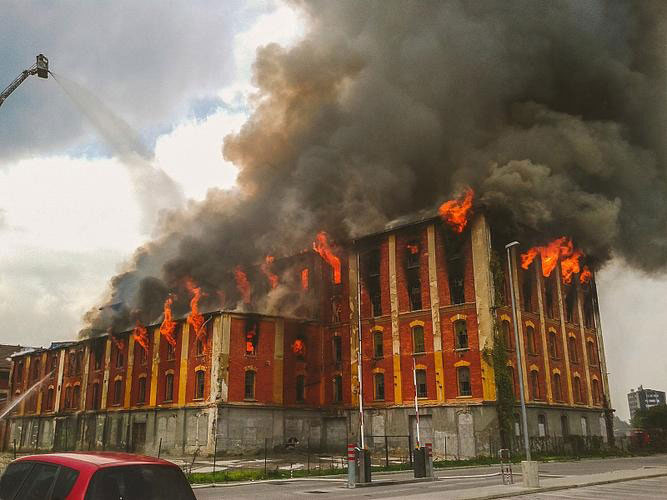
In global textile and building material trade, flame retardancy is one of the most critical factors. Hotels, theaters, airports, metro stations, and office buildings all need fabrics that meet strict fire safety standards. Even one non-compliant curtain or seat cover…

Introduction Background and Significance The importance of building fire standards in the EU and globally Building fire standards are critical for ensuring safety and minimizing risks associated with fires in structures. These regulations are essential not only within the European…

Introduction Fire safety is a critical concern across various industries, from construction and transportation to textiles and home furnishings. Different countries and regions have established specific flame-retardant standards to ensure public safety and compliance with regulatory requirements. This document compiles…

Introduction to Flame Retardant Fabrics What is Flame Retardant Fabric? Flame retardant fabric is a type of material with flame retardant properties can be obtained by some physical or chemical methods so that the flammability of the material is reduced and the expansion…