Enter your details and we will send the requested document to your inbox.






Introduction A Brief Overview of Cleaning and Maintaining Flame Retardant Curtains Flame retardant curtains are a crucial part of safety and interior design in both residential and commercial spaces. Manufacturers treat these specialized curtains with chemicals to reduce flammability, ensuring enhanced…

Selecting the Appropriate Materials Choosing Base Fabrics: Synthetic Fibers like Polyester or Nylon When creating flame retardant anti-UV fabric, selecting the appropriate base material is crucial. Synthetic fibers such as polyester and nylon are widely chosen due to their inherent…

Tip 1: Consider Fire Compliance of Flame-Retardant Fabrics Need to Pass Flame-Retardancy Standards: NFPA701 When selecting the appropriate medical curtain fabric, fire compliance is a paramount consideration. Flame-retardant fabrics are designed to meet stringent safety regulations, such as the NFPA701…

Introduction Background and Significance The importance of building fire standards in the EU and globally Building fire standards are critical for ensuring safety and minimizing risks associated with fires in structures. These regulations are essential not only within the European…

Standards for Flame Retardant Fabric Manufacturers Selecting the manufacturers of flame retardant products is equally essential. Because it can ensure home safety standards and regulations. Selecting manufacturers for these products comes with requirements like effectiveness and longevity of their utilized…

In 2024, the global flame-retardant fabric market sales reached $1.319 billion, and it is expected to reach $1.625 billion by 2031, with a compound annual growth rate (CAGR) of 3.1% from 2025 to 2031. Understanding the trends in the flame-retardant…

Learn how fire retardant spandex fabric works, how IFR and treated options differ, which NFPA 701 tests apply, and where FR spandex is used in tablecloths, chair covers, and workwear.

Introduction Fire safety is a critical concern across various industries, from construction and transportation to textiles and home furnishings. Different countries and regions have established specific flame-retardant standards to ensure public safety and compliance with regulatory requirements. This document compiles…

Nylon flame resistant fabric: how it is made, limitations and when to choose it over other FR materials.
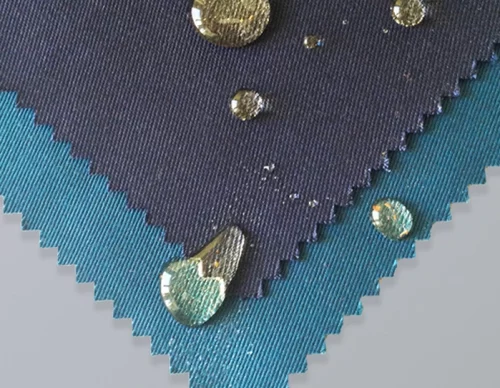
Waterproof and oilproof textiles sit at the demanding edge of functional fabric engineering. As textiles move into harsher environments—outdoor gear, contract interiors, medical spaces, and protective workwear—basic water-resistant coatings are no longer enough. Buyers now expect fabrics that shrug off…

Flame-retardant fabrics or textiles are not fireproof; instead, they are treated with flame-retardant finishes that inhibit the continuous spread of flames or cause charring in the area exposed to fire. These fabrics do not sustain burning after the flame source…

This article focuses on the military uniform fabrics used by the armed forces, exploring their historical evolution, material characteristics, critical requirements, and future development trends. It delves into the science and technology behind military uniform fabrics, highlighting their vital role…

The commonly seen term “FR Fabric” stands for “Flame Retardant Fabric.” However, this article discusses an ambiguous aspect of “FR” because it also abbreviates Flame Resistant, Fire Resistant, Fire Retardant, and Flame Retardant, four terms that seem identical but have…

Anti-static and conductive fabrics: how they dissipate static electricity and where they are used.

Abstract. This article mainly introduces the importance of UV resistant fabrics, the principles and production processes of UV resistance, as well as the methods and indicators for evaluating the UV resistance performance of fabrics. BEGOODTEX combines UV protection technology into flame-retardant fabrics. 1. Overview…
Focused on flame retardant textile development since 2013.
Supports fabric development, sample testing and internal performance checks.
Product-specific test reports available for different markets and applications.
Samples, customization, confirmed specifications and bulk production support.
