Enter your details and we will send the requested document to your inbox.





Featured snippet: Nylon is not flame resistant in its natural state. Untreated nylon is a synthetic polyamide that melts and drips under heat and can ignite at relatively low temperatures. A genuine nylon flame-resistant fabric is produced only after a chemical flame-retardant finish is applied or the nylon is blended with inherently flame-resistant fibers such as aramid or modacrylic.
Nylon shows up in more technical textiles than almost any other fiber — aviation seat covers, wildland firefighting gear, industrial workwear, and outdoor shells all lean on its strength-to-weight ratio. Yet the question buyers ask first is the same every time: is nylon flame resistant, or does it have to be treated? The answer decides which standard you cite, how you care for the garment, and how long the protection lasts. In this guide we explain why raw nylon burns, the two routes that turn it into a reliable nylon flame-resistant fabric, how it stacks up against polyester and cotton, and where the finished material earns its place.
No — not by itself. Nylon is a synthetic polyamide built from carbon-and-hydrogen chains, and those chains are exactly what flames feed on. When untreated nylon meets heat it softens, melts, and drips well before it ever chars, and it can ignite at a lower temperature than many people expect. That melting behavior is dangerous in a fire because the dripping material can spread the flame or stick to skin.
So a nylon flame-resistant fabric does not start life that way. The flame resistance is added through processing, which means the real question is not “is nylon FR?” but “how was this particular nylon made flame resistant?” The next section explains the two ways manufacturers answer that.
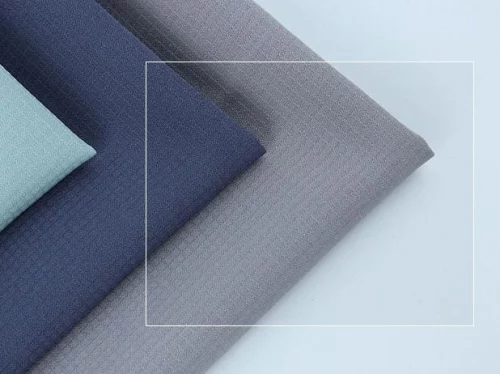
Fabric flammability is never a single number. It is the combined result of the fiber chemistry, how the cloth is constructed, its surface, and even the way a garment is cut and layered.
Understanding these factors is what lets a buyer choose the right material for a fire-risk environment instead of guessing.
Every finished nylon flame-resistant fabric on the market comes from one of two routes, and they could not be more different in durability.
The first is post-treatment. A chemical flame-retardant finish is applied to the nylon during or after manufacture. The additive forms a protective char layer or releases non-combustible gas when heated, interrupting the fire reaction. This is the same principle behind general flame-retardant fabric treatment, and it is cheap and flexible — but the effect weakens with washing and wear.
The second is inherent blending. Instead of coating the surface, the nylon is spun or woven together with fibers that resist fire by their own chemistry, such as aramid or modacrylic. This is where how flame retardancy works at the molecular level matters: the protection is built into the fiber, so it survives washing and abrasion far better. A common industrial blend is 88% cotton / 12% nylon, which pairs cotton’s heat-charring behavior with nylon’s strength and spark resistance.
Both produce a usable nylon flame-resistant fabric. The right choice follows the product’s life cycle and risk profile, not the label on the bolt.

Buyers rarely choose nylon in isolation, so here is the honest comparison:
| Property | Nylon | Polyester | Cotton |
| Natural flame resistance | None | None | None (chars, doesn’t melt) |
| Melts & drips near flame | Yes, at low temp | Yes, at higher temp | No |
| Needs FR treatment/blend | Yes | Yes | Yes (or FR cotton) |
| Strength & abrasion | Highest | High | Moderate |
| Comfort & breathability | Moderate | Moderate | Highest |
Neither nylon nor polyester is safer by default — both must be treated or blended. Cotton resists melting by charring instead, which is why the aramid versus FR cotton debate matters when specifying protective clothing. Nylon’s edge is durability: it outlasts the others under repeated stress, which is why it dominates aviation and heavy-work settings.

Firefighter and industrial workwear. Wildland firefighting gear and industrial uniforms demand fabric that shrugs off sparks, metal splash, and heat while staying light. Aramid-blend workwear constructions are the usual answer for garments that must meet protective-clothing specs — see flame-retardant clothing for the workplace for the full compliance picture, and aramid-blend workwear fabric for a representative material.
Outdoor and aviation gear. Nylon’s low weight and tear strength make it ideal for shells and interiors. A flame-retardant nylon fabric for aviation brings FR performance to seats and panels without adding bulk, while outdoor versions keep water resistance and breathability intact.
BEGOODTEX supplies nylon flame-resistant fabric built through fiber blending rather than surface coating, so the protection stays put through washing and use. The range covers aviation, workwear, and technical outdoor uses, all backed by testing documentation. Browse the nylon fabric category for the full lineup, or read our deeper breakdown of nylon flame-resistant fabric key features and advantages before you specify.
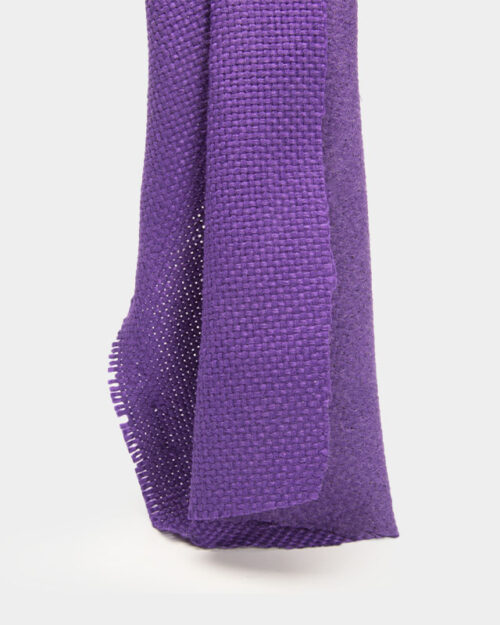 Fireproof Nylon Fabric with High Wear Resistance for Contract Transit Upholstery Production | 315 g/m² | 150 cm | BS 5852 Crib 5
 Flame Retardant Nylon Non-Slip Vintage Print Carpet from a China Textile Manufacturer for Bulk and Custom Orders | 1000 g/m²
 Anti-Static Flame Resistant Nylon Water Resistant, Modacrylic Cotton N66 Elastane for Workwear | 285 g/m² | 137 cm | EN ISO 11612
No. Untreated nylon is a flammable synthetic that melts and drips near heat. Any flame resistance comes from a chemical finish or a blend with inherently flame-resistant fibers — never from the raw nylon alone.
“Flame-resistant” (FR) usually describes nylon blended with inherently resistant fibers, so the protection is permanent. “Flame-retardant” (FRT) usually describes nylon given a chemical surface finish, which can fade with washing. Both can meet standards; FR lasts longer.
Inherently blended nylon flame-resistant fabric handles washing well and keeps its rating. Post-treated (FRT) nylon loses protection gradually with each wash, so follow the manufacturer’s care limits and re-test on a schedule.
Neither is safer untreated — both ignite and melt. Polyester tolerates slightly higher heat before melting; nylon is stronger and more abrasion resistant. The safer choice is the one that has been properly treated or blended to a named standard.
Common references include NFPA 2112 for industrial FR garments, NFPA 701 for flammability of textiles, EN ISO 11612 for heat and flame, and ASTM test methods. Always match the standard to the end use and market.
Explore the wider flame-retardant fabric category or contact our team for OEM and specification support. For testing references, see the NFPA standards overview.


