Enter your details and we will send the requested document to your inbox.





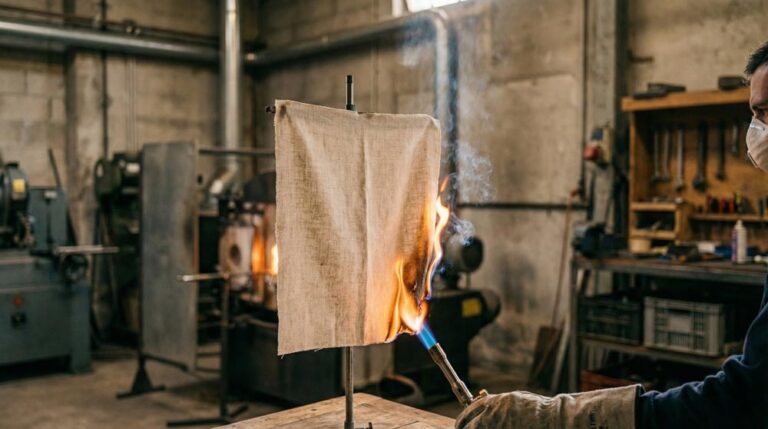
Exporting textiles to Canada? CAN/ULC-S109 is the mandatory standard for curtains and drapes in public buildings. This guide details the rigorous Small and Large-Flame tests, compares them with US NFPA 701.

Selling curtains to Europe? EN 13773 Class 1 is the mandatory safety benchmark. This guide explains the classification system, how it compares to M1/B1.
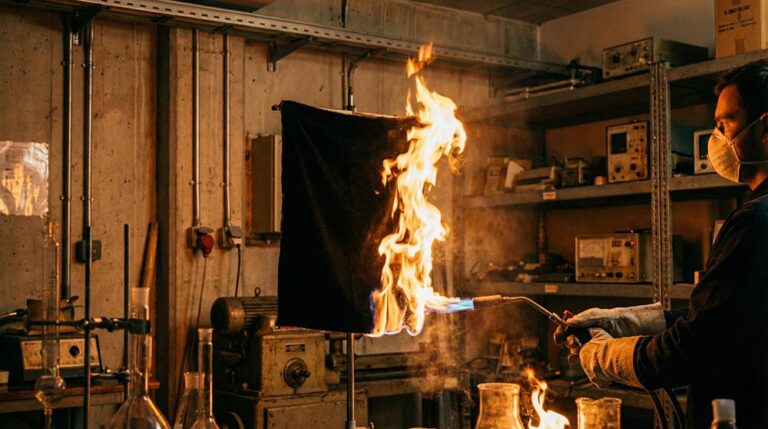
Need curtains for the NHS or care homes? Understand the mandatory BS 5867-2 Type C standard.

Exporting textiles to Russia? Compliance with GOST R 50810-95 is mandatory. This guide explains the vertical burn test, why Western standards like NFPA 701 are invalid, and how to achieve the required KM Class for market entry.

Selling furniture to the US? Master the mandatory CAL TB 117-2013 standard. Learn about the chemical-free smolder test and how to select compliant, safe fabrics for the market.

Exporting furniture to the EU? Learn the essentials of DIN EN 1021, the mandatory fire safety standard. This guide explains Part 1 & 2 testing and how to choose compliant IFR fabrics for market success.
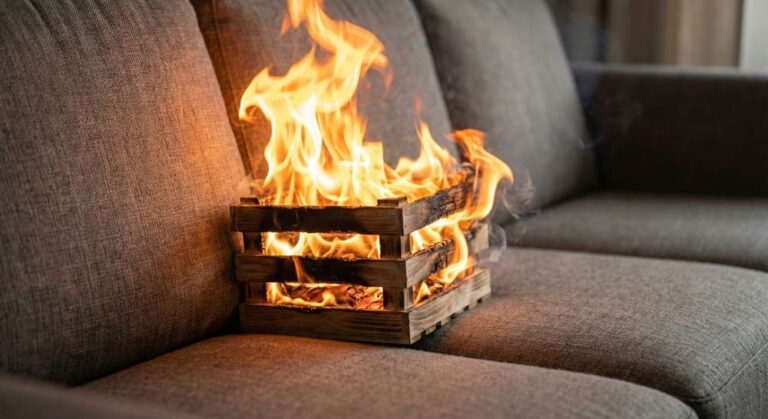
Is your furniture ready for the UK market? Discover everything about the rigorous BS 5852 Crib 5 test, the "Gold Standard" for commercial safety.

EN 1149-5:2018 is the core European standard regarding antistatic protective clothing. Its full title is Protective clothing – Electrostatic properties – Part 5: Material performance and design requirements. This standard mandates the Electrostatic Dissipative performance of protective clothing to prevent spark discharges that could…

NFPA 2112 is the standard on flame-resistant clothing for protection of industrial personnel against short-duration thermal exposures from fire. Primarily targeting the oil, gas, and chemical industries, it is developed by the National Fire Protection Association (NFPA) and is recognized globally…
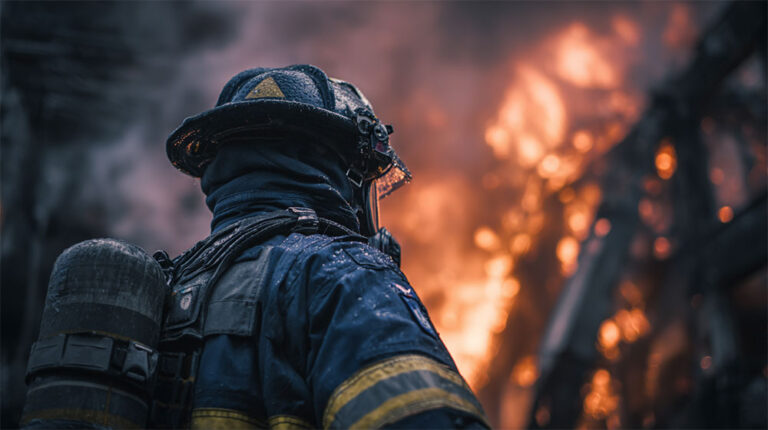
EN 469:2020 (Protective clothing for firefighters) is the highest authoritative standard in European and international markets for assessing the safety performance of “structural firefighter protective clothing.” It is not merely a single flame retardancy test, but a comprehensive systemic evaluation system covering thermal…

Master Limited Flame Spread Protection with our EN ISO 14116 guide. Learn the vital Index 1, 2, and 3 differences

In the fields of metal processing and heavy industry, welders face unique and high-risk safety threats: molten metal spatter, intense radiant heat, and the risk of electric shock. Standard fire-retardant workwear often fails to provide adequate protection for these specific…

In the field of industrial safety, EN ISO 11612 is the gold standard for evaluating the performance of heat and flame-resistant protective clothing. For procurement professionals in Oil & Gas, Metallurgy, Utilities, and Manufacturing, understanding the A-F performance codes of this standard…

"Flame retardant" isn't a vague promise; it's a quantifiable metric. Aramid's "no-drip" (d0) and "low-smoke" (s1) properties make it a benchmark material for passing the world's toughest FR tests. Here’s why it complies.

Introduction: Unlocking the “Kaleidoscope” of Flame Retardant Standards Have you ever been confused: “Why does a curtain exported to the UK need to comply with BS 5867, while the same product sold in the United States has to meet NFPA…
Focused on flame retardant textile development since 2013.
Supports fabric development, sample testing and internal performance checks.
Product-specific test reports available for different markets and applications.
Samples, customization, confirmed specifications and bulk production support.
