Enter your details and we will send the requested document to your inbox.






One spark can lead to disaster if your gear is soaked in oil. Discover how integrated FR and oil-repellent fabrics provide the protection your team needs.

Suede looks luxury, but is it a fire hazard? Don't let your project fail inspection. Discover why standard suede burns fast and how FR suede keeps you safe.

For many buyers, fire resistant (FR) fabrics are still associated with stiffness, rough texture, and a plastic-like feel. This perception often becomes a barrier when FR fabrics are required for applications where comfort, aesthetics, and user experience matter just as…

Taffeta fabric properties, common uses in apparel and interiors, care tips and FR-treated options.
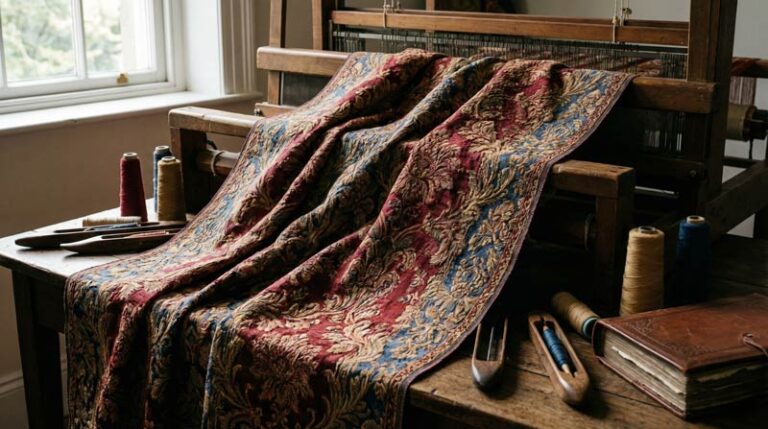
Don't let a beautiful fabric fail your fire inspection. From complex 3D textures to critical safety standards, here is everything you need to know about jacquard.
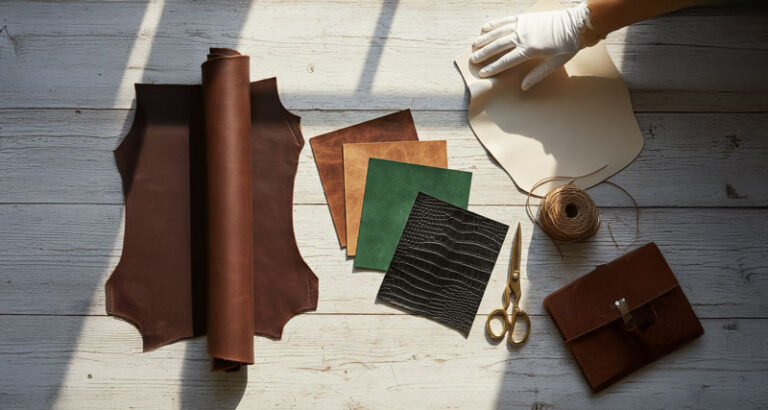
Leather can ignite and shrink. Find out when leather counts as flame retardant and how it is treated.

Chenille fabric properties, common uses, care instructions and flame retardant treatment options.
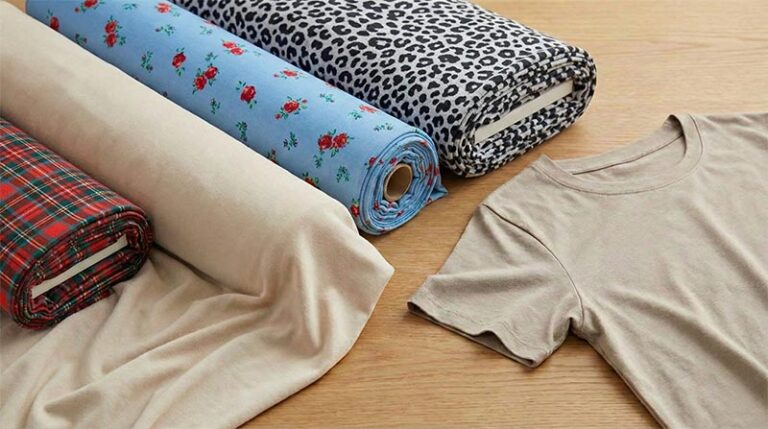
A guide to jersey fabric properties including stretch and breathability, plus how FR jersey balances comfort with professional protection.

This guide covers velvet flammability, explaining how material types and pile structure affect fire risk. It includes safety standards and testing methods.
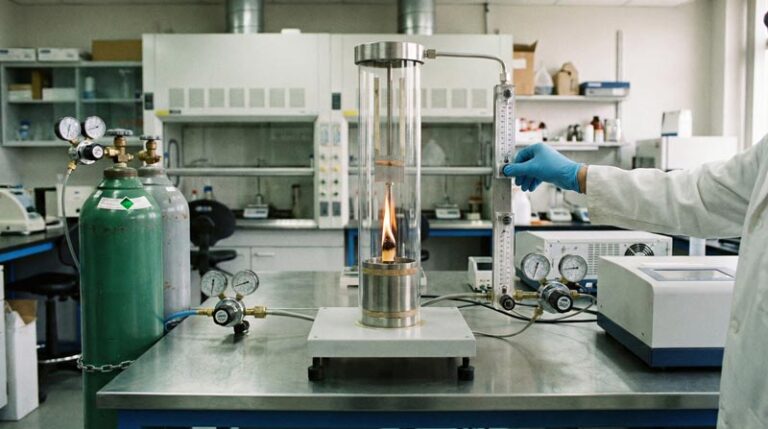
LOI is the minimum oxygen concentration needed to sustain combustion. This guide analyzes LOI values, testing standards, and the safety logic of IFR fabrics.
Fire retardant spray is one of the most common “quick fixes” in facility management. You pick up a bottle, mist it over existing curtains, upholstery, or carpets, and suddenly the material is “fire rated.” But is fire retardant spray really…
This article examines FR safety, distinguishing halogens from non-toxic inherent fibers. It covers skin safety, smoke toxicity, durability, and NFPA 701 standards.
Does Viscose burn easily? This deep dive reveals the truth about standard versus FR Viscose. We analyze the science of flame retardancy, compare it with Aramid and Modacrylic, and help you choose the right fabric for safety and comfort. Read on to master the facts!

When selecting textiles, especially for home, transportation, or protective applications, fire safety is a non-negotiable topic. A common question from consumers and procurement managers alike is: is wool, a widely used natural fiber, flammable or fire resistant? This guide will…

Is your acrylic fabric flammable? Don't confuse Acrylic with Modacrylic. While they feel identical, one burns rapidly while the other self-extinguishes. Click to learn the critical safety difference.
Focused on flame retardant textile development since 2013.
Supports fabric development, sample testing and internal performance checks.
Product-specific test reports available for different markets and applications.
Samples, customization, confirmed specifications and bulk production support.
