Enter your details and we will send the requested document to your inbox.





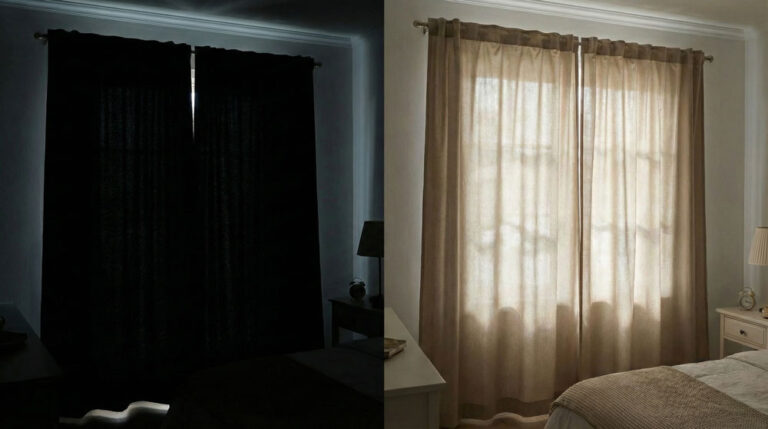
Blackout vs dimout flame retardant curtains: light blocking, fire safety and where each fits best.

This 2026 guide provides a deep dive into fire-retardant curtains, covering NFPA 701 benchmarks, IFR vs. FR material differences, and expert procurement strategies for commercial spaces.
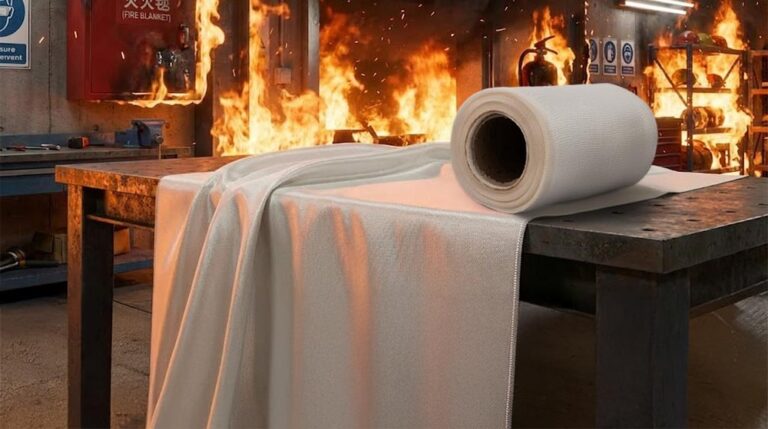
Fiberglass fabric properties, fireproof applications, handling tips and common product specifications.

Stage curtain fire safety rules, fabric types (velour, scrim, sharkstooth) and NFPA 701 requirements.

Learn flame retardant fabric selection by application, FR type, comfort, wash durability and standards. Compare IFR, FR-treated cotton, aramid and polyester.

The FR Protection Dilemma: Why Does Safety Always Seem to Sacrifice Comfort? In industrial protection, energy, chemical, and even public spaces, Flame Retardant (FR) fabric is the final line of defense for life safety. However, most practitioners and procurement managers…

Introduction and Background: The Core Barrier of Safety Protection In the industrial, home, and public space sectors, flame-retardant (FR) fabric is an indispensable part of building safety defenses. However, faced with complex fire standards and technical terms on the market,…

A buyer's guide to flame retardant fabrics: 13 critical differences every procurement team should check.

Summary This article deeply explores ten key certification standards in the global textile industry, covering multiple dimensions from hazardous substance testing (such as OEKO-TEX®) and organic content assurance (such as GOTS), to recycled material traceability (such as GRS), and specific…

A practical overview of flame retardant fabric applications across industries, from theaters to oil rigs.

Flame retardant fabrics play a crucial role in safety, used widely in curtains, office partitions, transportation interiors, and industrial protective clothing. This guide helps beginners grasp essential knowledge and practical steps for efficient B2B purchasing, avoiding pitfalls and securing compliance.…

For those of you involved in curtain projects for hotels, guesthouses, B&Bs, theaters, and schools, do you often encounter the following questions? If so, please be sure to read this article carefully. The different processes and standards for curtains will…

Starting a sewing or craft project can be exciting, but estimating the right amount of fire retardant fabric is often challenging. Buying too much fire resistant fabric leads to unnecessary expenses and waste, while purchasing too little can delay the…

Workplace FR clothing requirements, hazard categories and compliance with NFPA 70E, ASTM F1506 and EN standards.

Flame Retardant Air Ducts Replacing Traditional HVAC Duct Systems The shift from traditional metal HVAC duct systems to flame retardant fabric air ducts is revolutionizing the heating, ventilation, and air conditioning (HVAC) industry. Flame retardant fabric air ducts offer numerous advantages that make…
Focused on flame retardant textile development since 2013.
Supports fabric development, sample testing and internal performance checks.
Product-specific test reports available for different markets and applications.
Samples, customization, confirmed specifications and bulk production support.
